
Eyes – Eyelid Skin
Anatomy
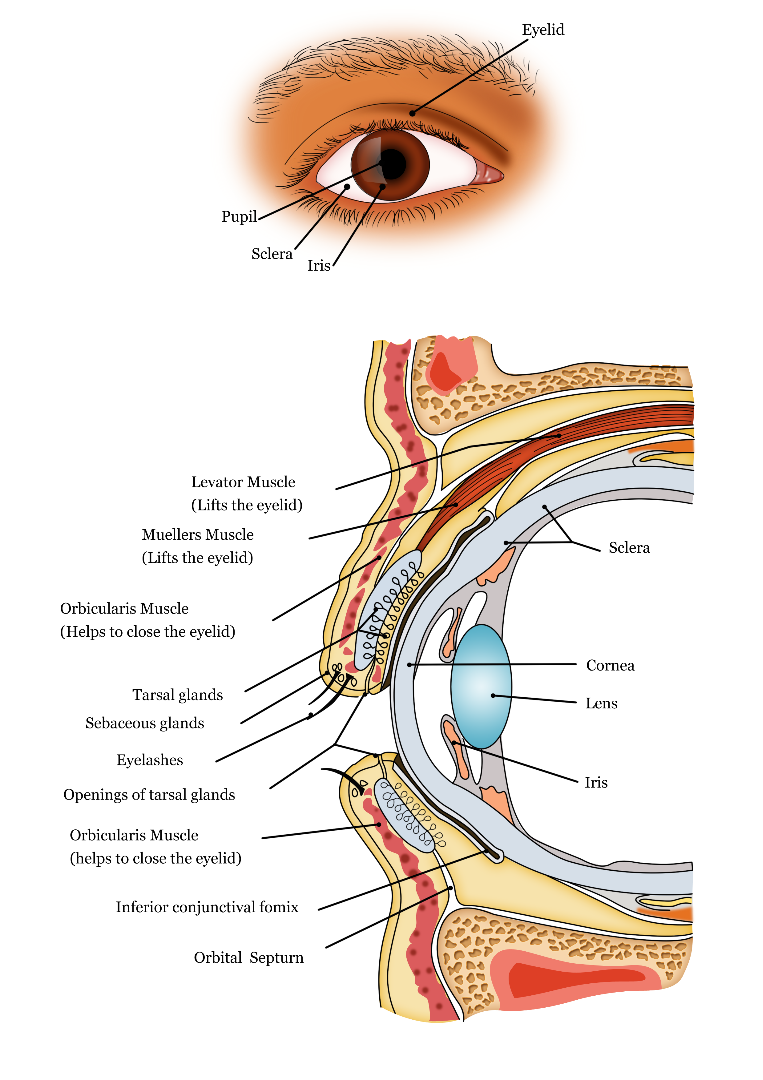
An eyelid is a thin fold of skin that covers and protects the eye. With the exception of the prepuce and the labia minora, it has the thinnest skin of the whole body. It consists, like skin in general, of epidermis and dermis. The human eyelid features a row of eyelashes which serve to heighten the protection of the eye from dust and foreign debris, as well as from perspiration. The dermis includes special sweat glands and sebaceous glands near the eyelashes. Inside the eyelids Meibom glands secrete an oily substance for lubrication of the lid borders and against overflowing of the tear film.
Brain
Relay:
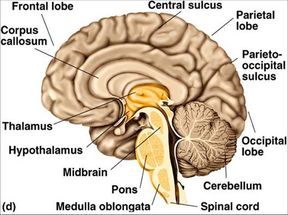
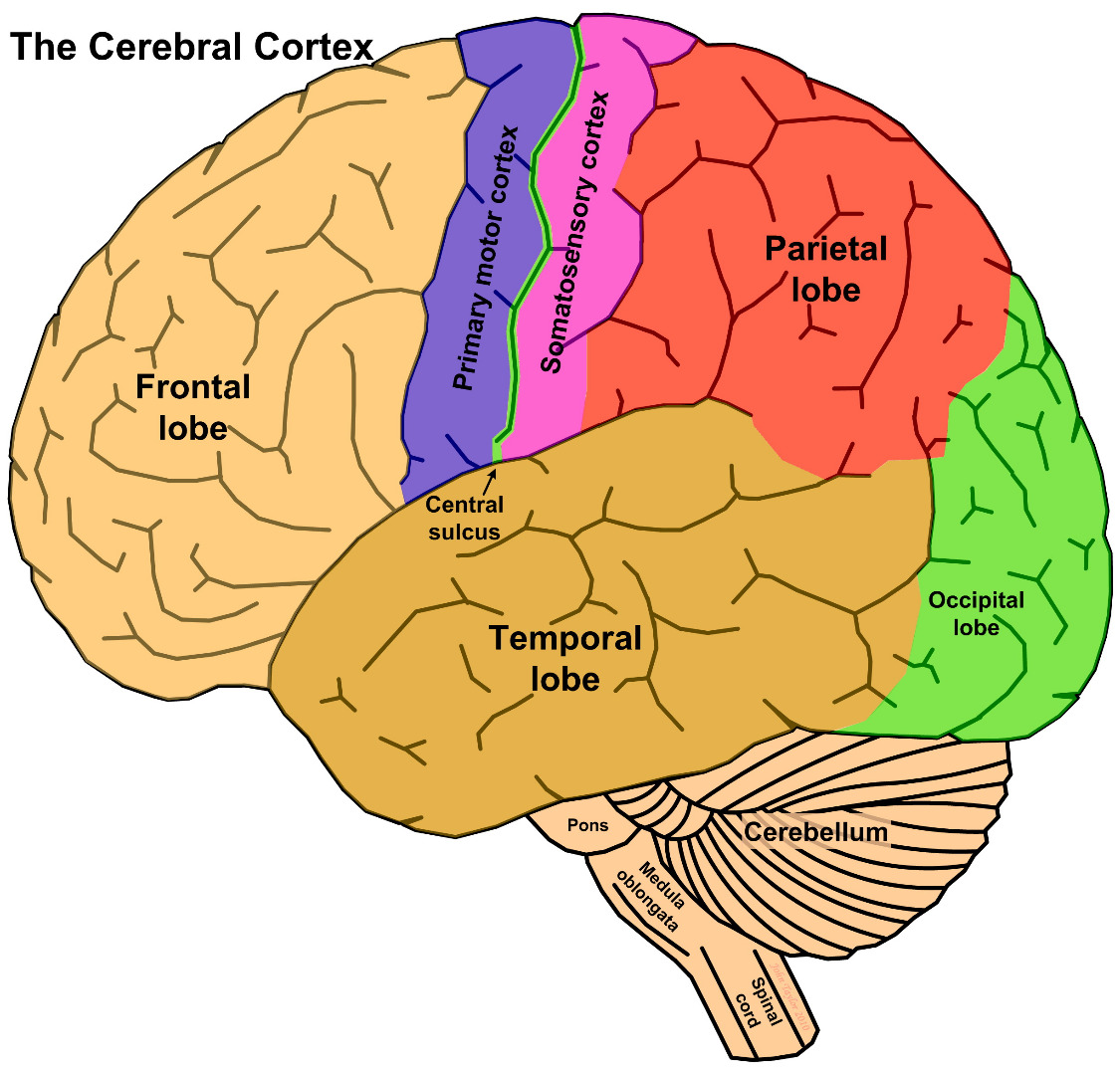
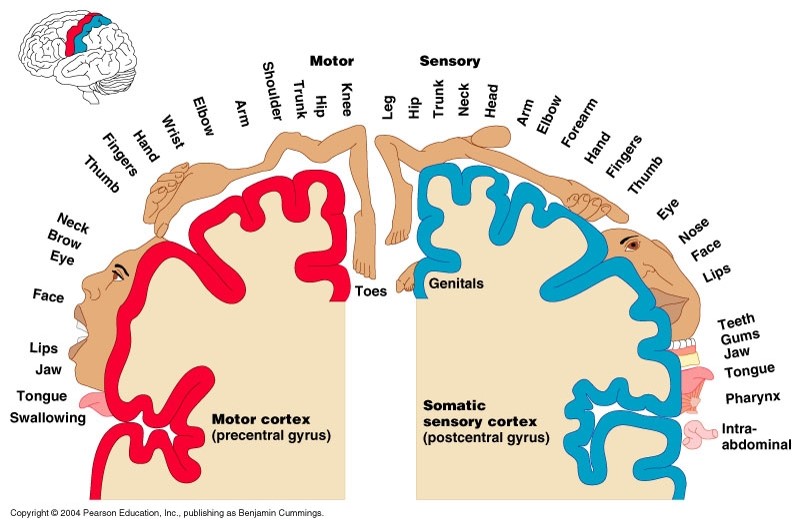
1. Cerebral Cortex (-/+) sensory area lateral left & right, for epidermis& eyelashes
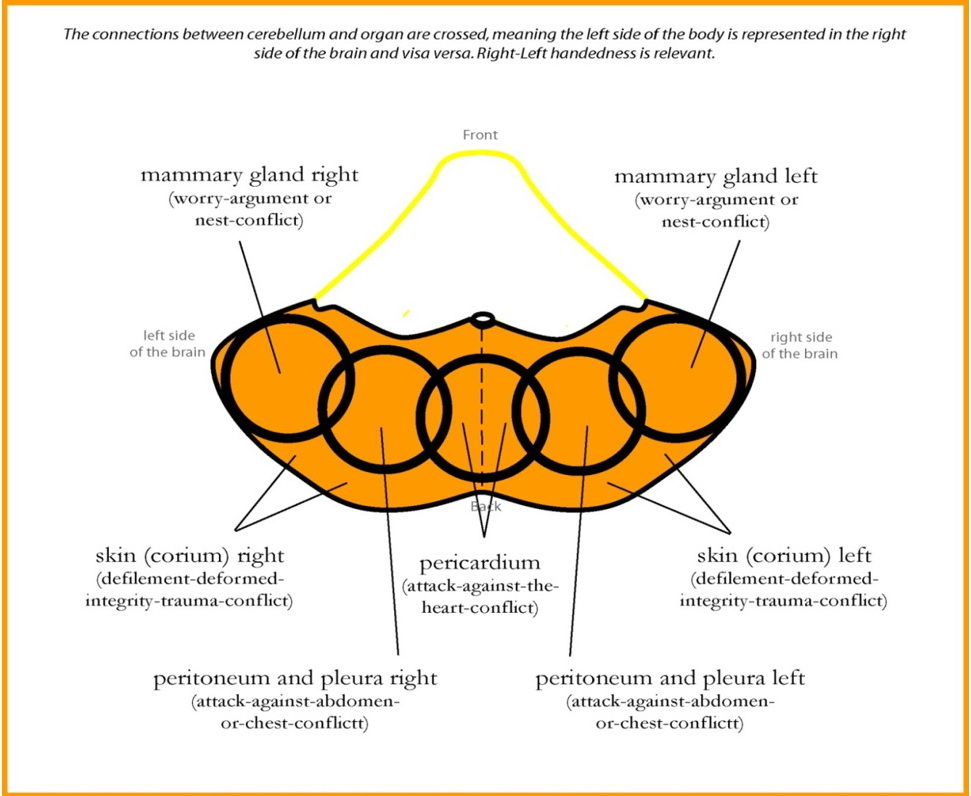
2. Cerebellum (+/-) dorsal for dermis, sebaceous glands & Meibom glands
Mind
Theme:
1. (CC): Visual separation, loss of touch, or unwanted contact
2. (CB): Protection & lubrication of the eye, protection against visual triggers
Emotions, Thoughts:
1. (CC): Longing, grief, suppressed anger
- I don´t want to see this.
- I wish I hadn´t witnessed it.
- I miss him touching my eyes.
2. (CB): Fear, Anger - This sight stuck with me.
- This hurt my eye!
- I don’t want them to see me like this.
META-Meaning:
- Now, I can decide what to look at.
- I do not need to see everything.
- I take good care of my eyes.
- Now, I can take responsibility for the images I create.
Organ
1. (CC): Sensitivity changes according to OS/epidermis pattern with hyperesthesia in regeneration phase.
Stress Phase Symptoms:
1. (CC): The skin tends to be dry, rough, pale, scaly. Eyelashes can get thinner or fall out.
2. (CB): The dermis of the eyelids can react with enhanced production of sebum for lubrication which can lead to congestion (chalazion), later with cell proliferation in the glands.The skin of the eyelid becomes thicker.
Regeneration Phase Symptoms:
1. (CC): Inflammation (pain, heat, redness, swelling, loss of function). Possible diagnosis: eczema, neurodermatitis.
2. (CB): Blepharitis, purulent degradation of the overproductive glands. Possible diagnoses are stye (painful inflammation in sweat/sebacious glands near eyelashes) and chalasion (as less painful chronic inflammation of Meibom glands).
Biological Meaning:
1. (CC): Loss of sensitivity in stress phase helps to overcome the separation.
2. (CB): Reinforcement of the eyelid-dermis and the lubricating function provides protection against external influences.
Social
Examples:
- A young woman developed neurodermatitis on her right upper eyelid after she separated from her partner. After identification and renegotiation of the emotional background, the symptom subsided.
- A woman has been sick for a long time and whenever she looked at herself she felt ashamed and did not want others to see her like that
- A handyman gets a stye after he has finished his sawing and sanding work.
- A woman has a chronic inflammation in the right lower lid. In the emotional background she finds sadness, fear for the future and anger, connected to conflicts around security with her partner. She realizes that she can clear these now with honesty. (Odum)
Additional Information
The protecting function of the eyelid, and changes thereof, affect the cornea and conjunctiva.
Constellations:
2. Cerebellum Constellation: reduced sensitivity (physical and emotional), “emotional burnout”
1. or 2. Compulsive Cleaning (together with Pancreas/Langerhans Alpha Cells ): compulsive handwashing, extreme hygiene and fear of dirt and bacteria.
Differential Diagnosis:
Sensitivity to light through processes of the iris, retina or chorioid influence the need for eye protection and the closing of the eyelid.
Conjunctiva(Cerebral Cortex-/+): decreased sensitivity and possibly ulceration in stress phase of visual separation; hypersensitivity and conjunctivitis in regeneration phase.
Eyelid muscles(Cerebral Medulla -/+) Hanging eyelid (ptosis) in stress phase of visual protection, possibly blepharospasm in regeneration phase.
