
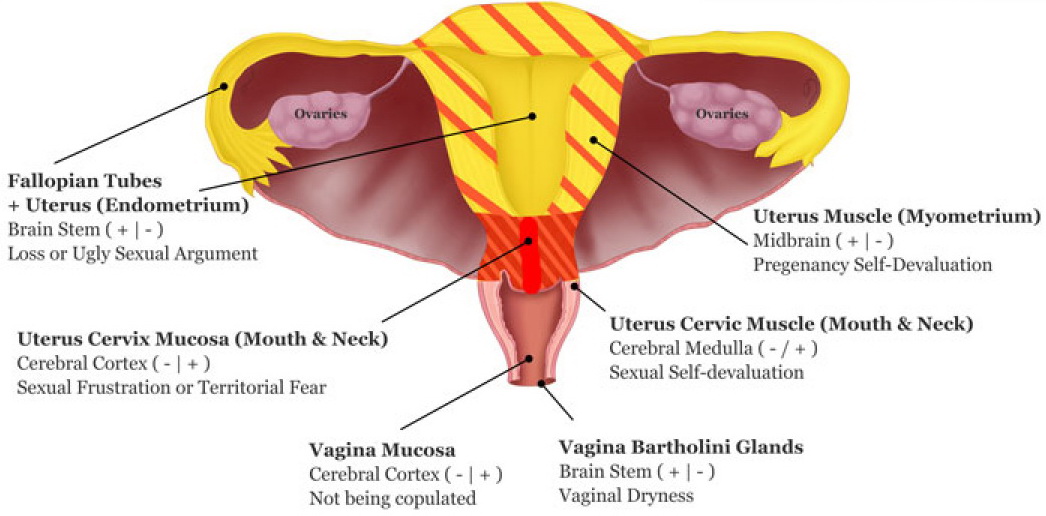
Vagina – Bartholin Glands & submucosa
Anatomy
The Bartholin’s glands (also called Bartholin glands or greater vestibular glands) are two glands located slightly below and to the left and right of the opening of the vagina in women. They secrete mucus upon sexual arousal to provide lubrication. Bartholin’s glands are homologous to Cowper’s glands in males. However while Bartholin’s glands are located in the superficial perineal pouch Cowper’s glands are located in the deep perineal pouch. Vaginal lubrication is provided by the Bartholin’s glands near the vaginal opening and the cervix. The membrane of the vaginal wall also produces moisture although it does not contain any glands. Before and during ovulation the cervix produces cervical mucus which provides a favorable environment for sperm to survive.
Correction: there is no striated muscle in the cervix, but the wall consists of connective tissue (governed by the cerebral medulla) with longitudinal smooth muscle fibres.
Brain
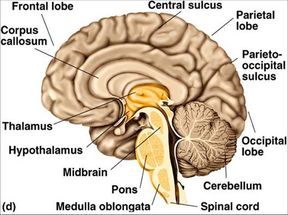
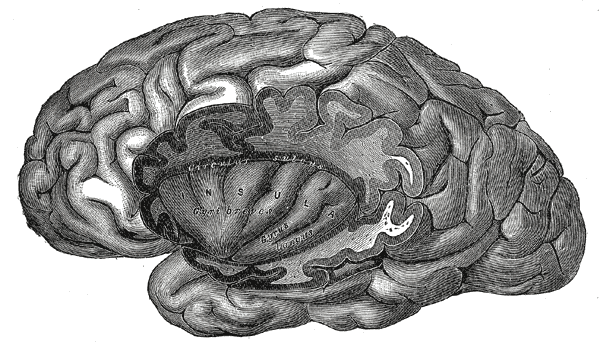
graphic: wikipedia, Henry Gray
Relay:
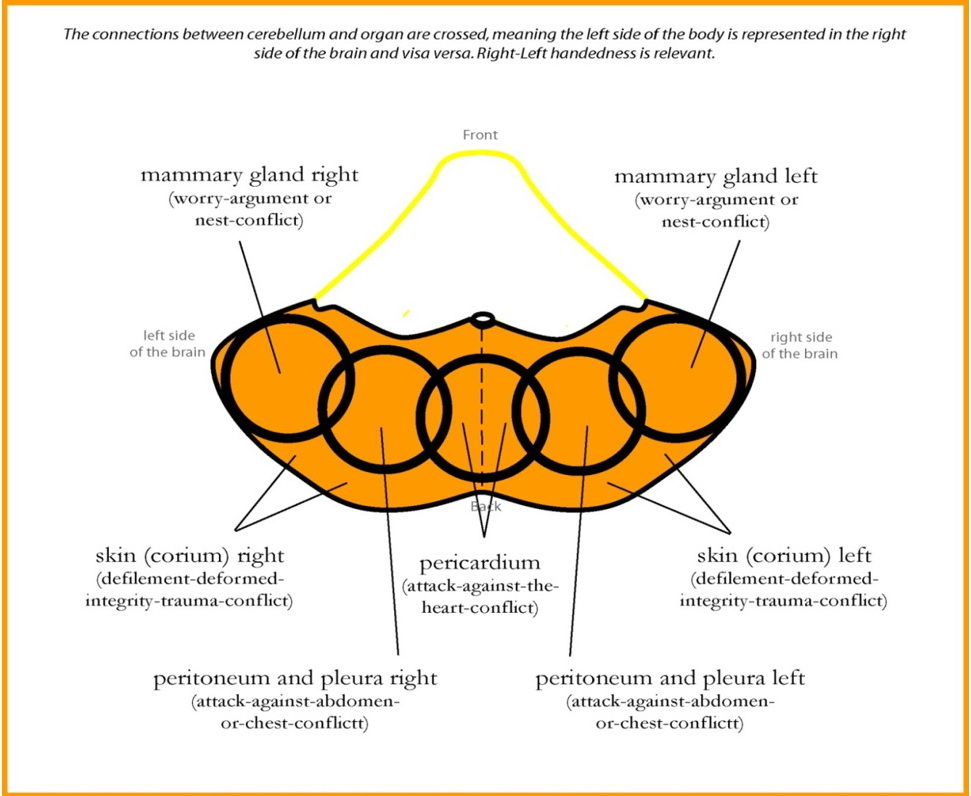
1. Cerebellum ( + / – ) ventral “peritoneal area”, for Bartholin glands
2. Cerebral Cortex ( – / + ) insular region mediolateral left; for excretory duct
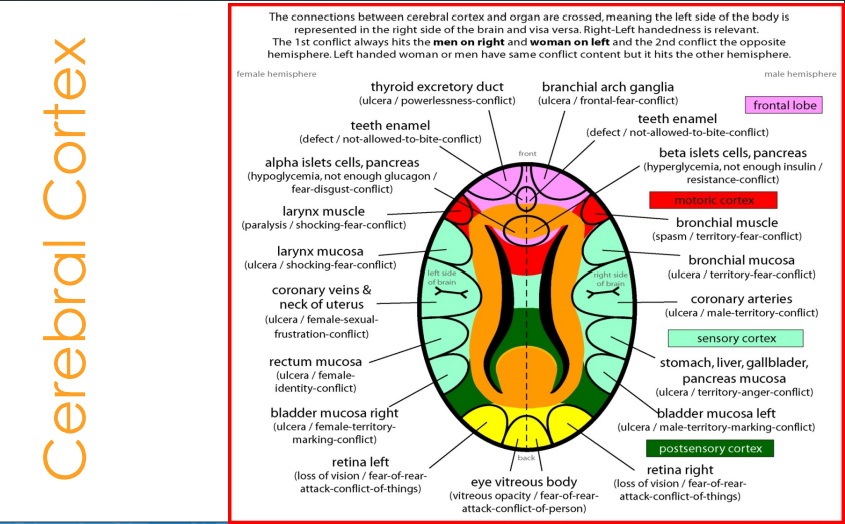
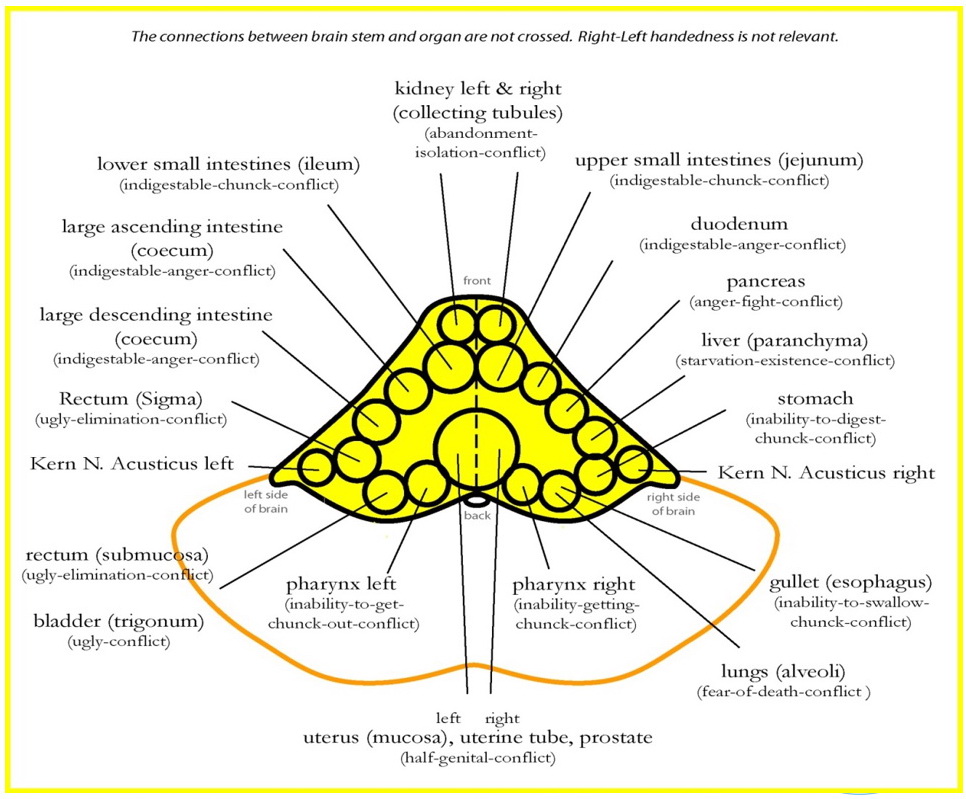
3. Brain Stem ( + / – ) central, for endodermal (profound) mucosa
Mind
Theme:
1., 3.(CB, BS) Protection of the Vagina, Lubrication for sexual intercourse
2. (CC) Sexual Contact or Separation
Emotions and Thoughts:
Pain, resisance
- I’m too dry.
- That hurts!
- Do I really want this?
- I don’t want this now!
META-Meaning:
- My loving flows smooth and easy.
- I can clearly communicate my sexual wishes and needs.
Organ
Stress Phase Symptoms:
1.,3. (CB, BS) Immediate increase of lubricant secretion, eventually a Bartholin glands tumor / an adenoma or adenocarcinoma grows in the vagina.
2. (CC) Widening and painless ulceration in the excretory duct
Regeneration Phase Symptoms:
1.,3. (CB, BS) function normalizes, usually firstly showing decreased secretion due to the swelling in tissue and brain relay. Microbial tumor decomposition by fungi or bacteria, accompanied by nightly sweating. Purulent smelly vaginal discharge is typical. Possible diagnoses: bartholinitis, candidosis (thrush), gonorrhea, chlamydia, Bartholin-abscess, Bartholin-empyema.
2. (CC) Inflammatory repair and proliferation e g as a Bartholin-cyst which is not too painful but can lead to adhesions.
Biological Meaning:
Enhanced secretion protects the integrity of the vagina and facilitates the penetration of the penis.
Social
Examples:
- The client doesn’t feel aroused by her partner and sexual intercourse is painful because her vagina is dry. After a holiday with some focus on good sex she develops a vaginal abscess.
- A client with a Bartholin cyst had gotten used to be urged to having sex by her husband. She feels no arousal and no pain anymore (CB-constellation).
Additional Information
Constellations:
Cerebellum-Constellation possible: reduced sensitivity, indifference. Purpose: protection on psychological level.
Differential Diagnosis:
Vagina – superficial Mucosa (Cerebral Cortex, -/+) stress phase (sexual contact): numbness, widening, possibly ulceration (in territorial constellation even frigidity and mania); Regeneration phase: hypersensitivity, vaginitis, viral or bacterial infection, ulcus molle .
Vulva – Epidermis (Cerebral Cortex, -/+) stress phase (loss of touch): reduced sensitivity, dry skin; Regeneration phase: hyperesthesia, eczema, genital warts
Vulva – Dermis (Cerebellum, +/-) stress phase (sexual assault): enhanced sweat or sebum production; Regeneration phase: abscess
