
Breast – Milk Ducts and Mamilla
Anatomy
The mammary gland produces milk for the sustenance of babies. It is an exocrine gland that is an enlarged and modified sweat gland. Each lobulus has a Lactiferous duct. The ducts form a tree branched system enabling the breast milk to pass from the breast glands to the nipples.
Lactiferous ducts are lined by a columnar epithelium supported by myoepithelial cells (similar to muscle cells). The columnar epithelium plays a key role in balancing milk production, milk stasis and resorption. It’s permeability is regulated by by prolactin and progesterone, as well as local factors like pressure and casein content.
When a woman is not lactating, the lactiferous duct is blocked by a keratin plug. This plug prevents bacteria from entering the duct in non-lactating women.
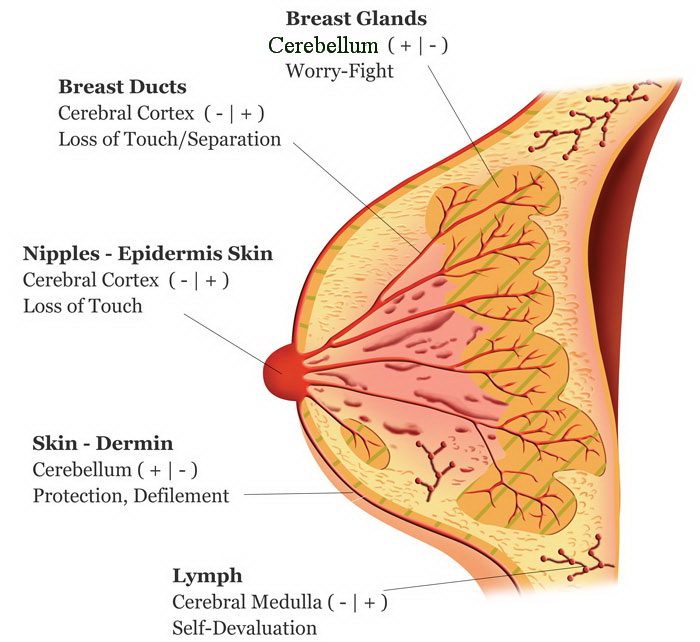
The epithelium of the milk ducts is evolutionary originated from the epidermis of the breasts, and has a similar conlict theme of caring contact or separation.
Brain
Relay:
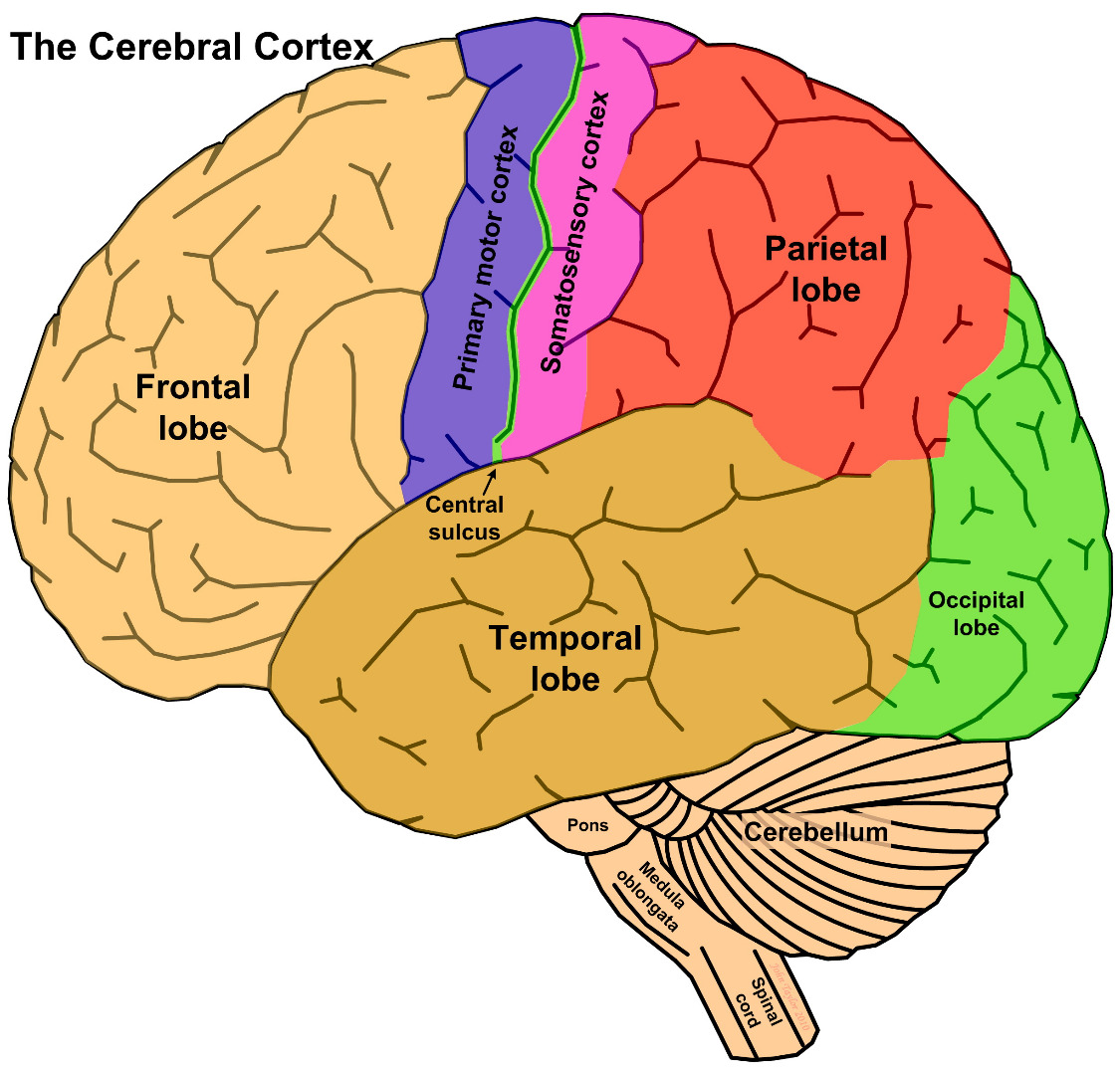
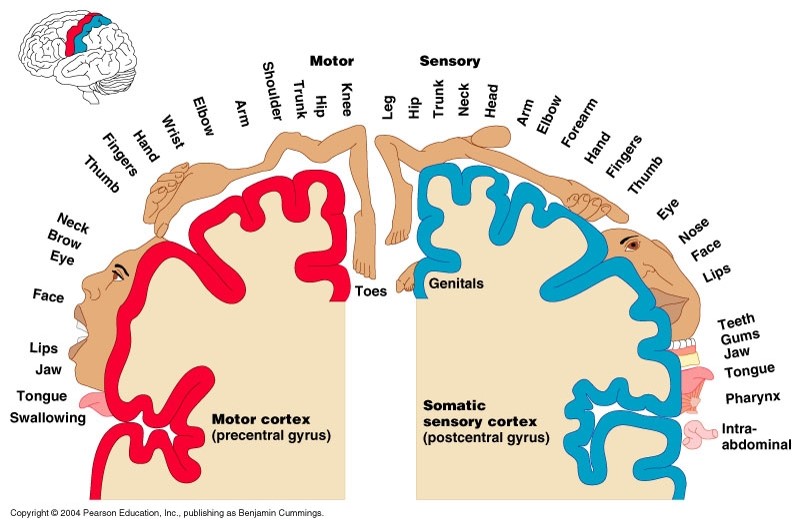
Cerebral Cortex ( – / + ) sensory area parietal left & right, brain-organ connection crossed
Mind
Theme:
- Contact or Loss of Touch (related to breast)
- Feeling and giving love and security
Emotions, Thoughts:
Fear, grief, anger
- My child is gone!
- My mother has passed away.
- I fear he has cheated on me.
- My husband has left me.
META-Meaning:
- I can feel my loved ones close to me.
- Love is flowing freely between us.
- Now, I set you free.
Organ
Sensitivity change according to IS/epidermis pattern with hyperesthesia in regeneration phase.
Stress Phase Symptoms:
Dilatation in the mammary ducts with sensory inhibition (numbness) or a slight dragging pain in the mamma. Enhanced permeability and tissue reduction in mamilla and ducts. Prolonged stress-activity can result in a scirrhous tumor and retraction of the nipple.
Possible diagnoses: mastopathy, inverted nipple, scirrous ulceration of the mamma
Regeneration Phase A
Inflammatory tissue repair with oedema, painful swelling behind the mamilla due to obstruction of the excretory ducts. Also the mamilla can be affected and enlarged.
Possible diagnoses: mastopathy, mastodynia, mastitis, intraductal papilloma, invasive ductal carcinoma (IDC), thelitis, Paget’s disease
Healing Peak:
Short hypesthesia accompanied by a moment of unconsciousness/absence
Regeneration Phase B
Swelling and pain subside, proliferation stops, fibrous scar tissue can lead to dragging pain. Micro-calcifications are possible.
Possible diagnoses: mastopathy, ductal carcinoma in situ (DCIS)
Biological Meaning:
Due to the enlargement of milk ducts in stress phase, breast milk can flow out easier to provide and distribute nourishment which is associated with love. The odour (corresponding with pheromones) is easier to perceive.
Social
Examples:
- A woman doesn’t have enough milk for her child – this is brought to her by her worried sister and feels like a blow, because she gives “150%”. Then the family moves which is very stressful for her (“Limbo”). She has several miscarriages. Eventually she detects a knot in her left breast which is diagnosed as a ductal breast cancer. (Poku, MHU archive)
- After the death of her sister, an elderly lady is diagnosed with ductal breast cancer in the right breast. (Richrath, MHU archive)
- Before a cyst was found in the ductal tissue, the client had ended a long-term distance relationship, and another partner had appeared..(Dean, MHU archive)
- The client has ambivalent feelings towards breastfeeding and her life with the child in a challenging relationship (wish for closeness and separation). She has much milk, but the ducts are narrow/obstructed, and become inflamed. (Klapp)
- The client with a huge breast tumor suffered separation by death of her husband, and later of her beloved dog. As she lives in the same house with many memories, she is regularly triggered and also feels tight and pressed down there. After renegotiating the memories and clearing the emotional charge, she can enjoy her house without sadness. (Klapp)
Additional Information
Mammary ductal carcinoma are by far the most common breast tumors. Today, most scientists agree that smaller tumors are a common phenomenon which does not necessarily ask for conventional cancer treatment.
Even double mastectomy is unsubstantiated: Source
Constellations
Kinesthetic-Sensory Constellation: Stress-activity in skin relays in both hemispheres leads to expanded sensation, hyperesthesia or sensory hallucinations.
Differential Diagnosis:
Mammary glands (Cerebellum, +/-) with enhanced milk secretion and possibly tumor growth in stress phase (worry/fight) and purulent degradation of the cell growth in regeneration phase.
Lymphatic drainage of the breast (Cerebral Medulla, -/+) with swelling and inflammation of lymph vessels and axillary lymph nodes. This tissue reacts physiologically with inflammatory or degrading processes of any tissue in the breast, but overexertion can even lead to a conflict theme of self-devaluation.
Adipose or Connective Tissue in the breast (Cerebral Medulla, -/+) with mastopathy in regeneration phase (after attractivity/resource conflict) and possibly lipoma after finished process.
Dermis of breast & mamilla (CB +/-) Stress (protection of the breast): enhanced gland activity and reinforcement of the protective tissue and pigment cells, melanoma; Regeneration phase: purulent degradation
Epidermis of breast & mamilla (CC -/+) Stress (loss of touch): hypesthesia; Regeneration phase: heat, swelling, redness = eczema
Mastodynia (tension pain in breast) can be cyclical or non-cyclical, and have various causes, as thyroid dysfunction or suboptimal luteal function (in the second half of the menstrual cycle).
