
Nerves – Trigeminus
Anatomy
The trigeminal nerve (the fifth cranial nerve) is a nerve responsible for sensation in the face and certain motor functions such as biting and chewing. It is the largest of the cranial nerves. Its name derives from the fact that each trigeminal nerve, one on each side of the pons, has three major branches: the ophthalmic nerve (V1), the maxillary nerve (V2), and the mandibular nerve (V3). The ophthalmic and maxillary nerves are purely sensory. The mandibular nerve has both cutaneous and motor functions.
The sensory function of the trigeminal nerve is to provide the tactile, proprioceptive, and nociceptive afference of the face and mouth. The motor function activates the muscles of mastication, the tensor tympani, tensor veli palatini, mylohyoid, and anterior belly of the digastric.
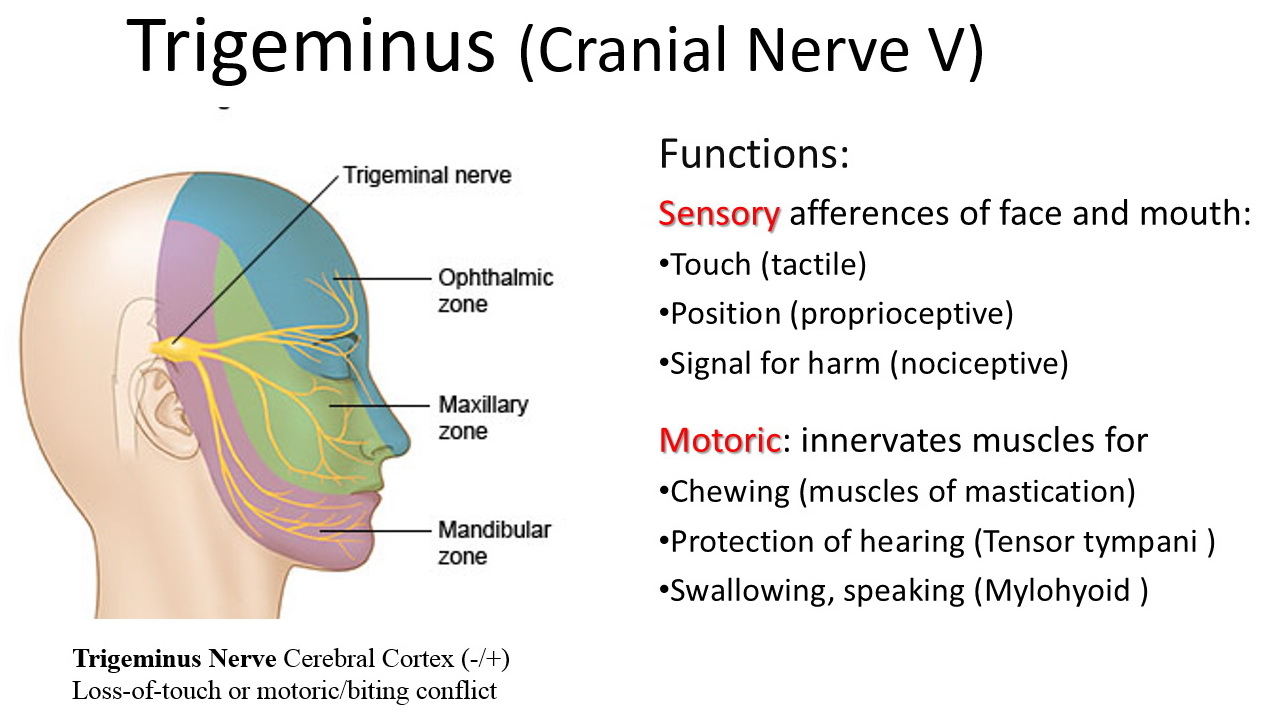
The trigeminal nerve is essential for the Social Engagement System (SES) for stress relief (see Polyvagal Theory).
Brain
Relay:
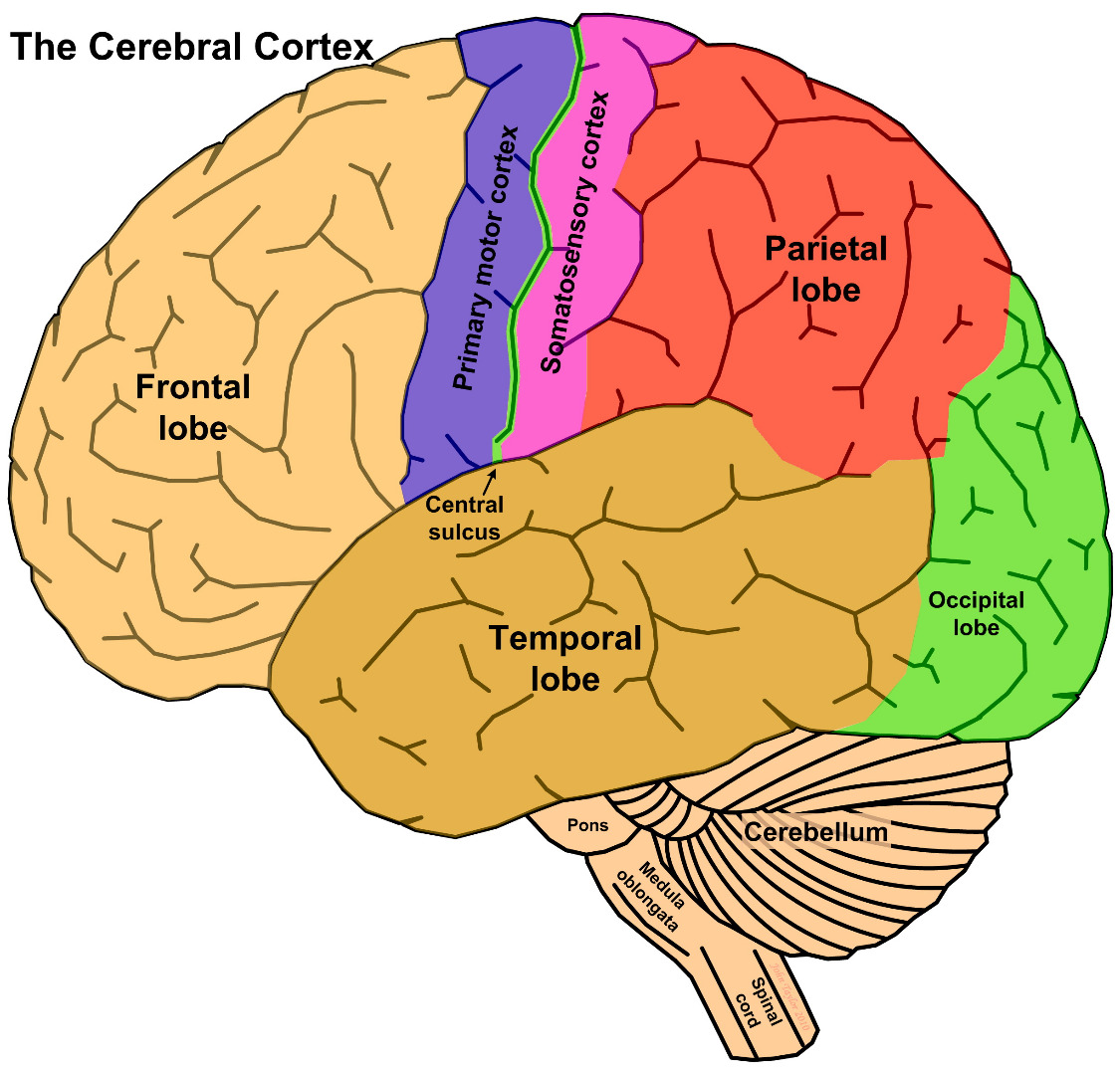
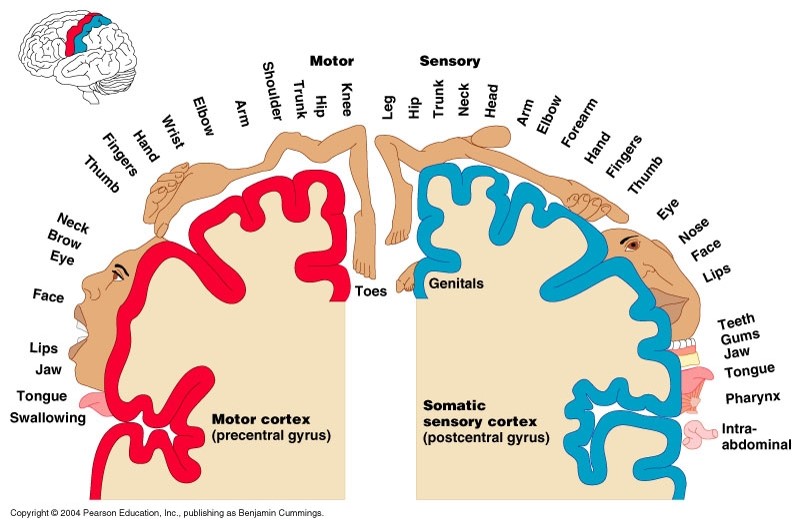
Cerebral Cortex (-/+) for motoric & superficial sensory functions
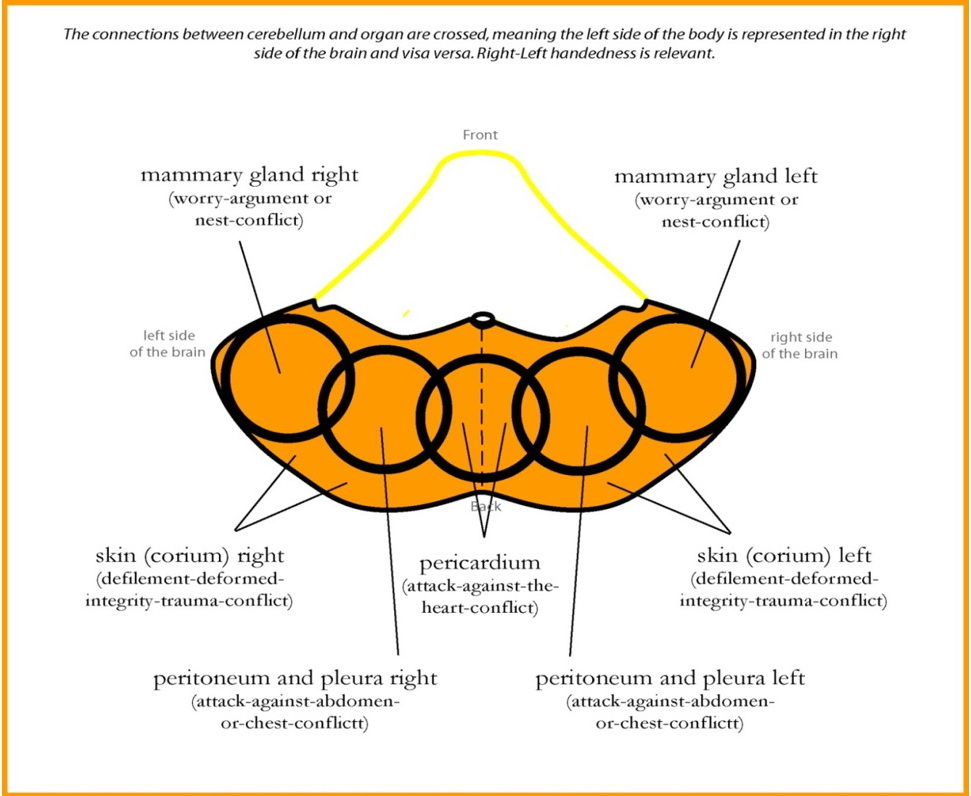
Cerebellum (+/-) fronto-medial for deep sensitivity
Mind
Theme:
1. Loss of touch or separation
2. Defilement, protection
3. Biting or expression
Emotions, Thoughts:
holding back feelings & expression
1. I lost him/her (associated with the face).
2. I lost my face because of (a situation). I must keep a straight face. I can´t show my face in public.
3. I can’t bite back! Let me speak!
META-Meaning:
I love and accept myself. Now, it is ok to show my feelings.
Organ
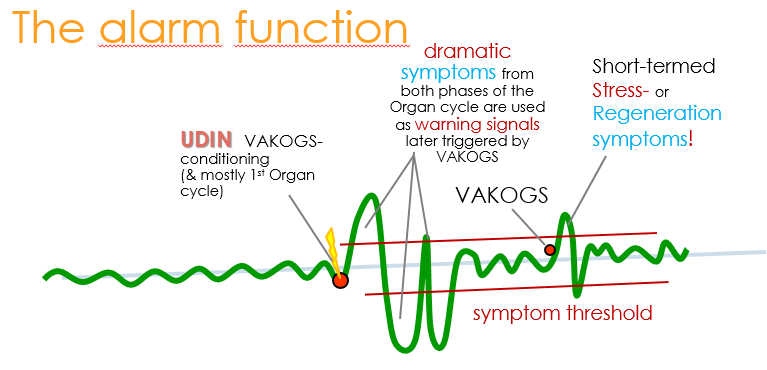
Sensitivity changes like the epidermis with hyperesthesia in regeneration phase. A conditioned alarm reflex can also trigger pain!
Stress Phase Symptoms:
No cellular but functional changes:
1. Loss of (superficial) sensitivity,
2. The deep sensitivity (tension, position and pain) via trigeminus seems to follow the pattern of the periosteum (CC/IS) or the muscle fascia (CB/MB +/-) with increased sensitivity in stress phase.
3. Paralysis of certain areas of the face, difficulty swallowing
Regeneration Phase A:
1.Trigeminal neuralgia pain, often connected to inflammative infection (borrelia, zoster virus)
2., 3. Paralysis can be worsened by brain oedema, can be diagnosed as stroke
Healing Peak:
1. Short numbness and absence
2., 3. Spasms, facial epilepsy biting tongue or lips
Regeneration Phase B:
1. Decreasing neuralgia, slow recovery of sensitivity of the affected area.
2.,3. Recovery of the motoric function with twitching and spasms.
Biological Meaning:
The stress reactions are coping strategies for the situation. Sensory or motor functions are inhibited to make the situation easier to endure.
Social
Examples
- A woman has conflicts with her husband but can´t express herself in the presence of other people. She also wants to hide her suffering from pain. A vicious circle is created and she has chronic trigeminus neuralgia. (Klapp)
- A woman has chronic pain in the face since a car accident. She was with her children in her car when she was hit. The other driver vented his rage on her, and she refused to bite back because she wanted to keep calm for her children. (MHU archive)
Additional Information
The loss of sensory and motoric function in stress phase result in affection of the muscles and their relay in the Cerebral Medulla as well – emotion being uncertainty.
Differential Diagnosis:
Neck joint dysfunctions of the skull & upper 3 vertebrae can also affect the Trigeminus and can cause facial pain or frontal headache. Involved can be muscular tension, degenerative or prolific processes, displacement, whiplash.
Skin – Epidermis (Cerebral Cortex -/+) Stress (absent or unwanted contact): numbness with decreased skin trophic; Regeneration phase: inflammation and eczema .
Facial Nerve(Cerebral Cortex -/+) Stress (social fear or disgust): similar reactions regarding facial sensation and expression.
Smooth Muscle in Fascia of the facial muscles (Midbrain, +/-) with hypertension and hypertrophy in stress phase (self-protection)
