
Cartilage
Anatomy
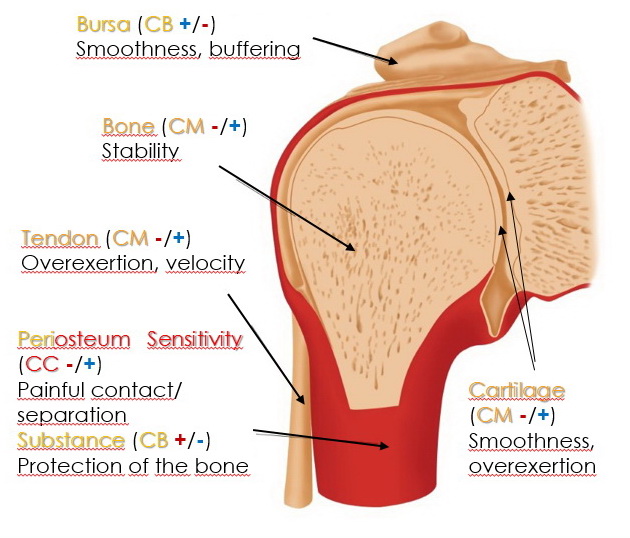
Cartilage is a flexible connective tissue found in many areas in the body, including the joints between bones, the rib cage, the ear, the nose, the bronchial tubes and the intervertebral discs. It is not as hard and rigid as bone but is stiffer and less flexible than muscle. It is composed of specialized cells called chondroblasts that produce collagen fibers and elastin fibers. Cartilage is classified in three types, elastic cartilage, hyaline cartilage and fibrocartilage. Chondroblasts that get caught in the matrix are called chondrocytes. They lie in spaces called lacunae with up to eight chondrocytes per lacuna.
Unlike other connective tissues, cartilage does not contain blood vessels. The chondrocytes are supplied by diffusion, helped by the pumping action generated by compression or flexion. Thus, compared to other connective tissues, cartilage grows and repairs more slowly.
The mechanical properties of cartilage include the response in frictional, compressive, shear and tensile loading.
Cartilage is, with exception of joint surfaces, covered by a protective membrane, the perichondrium (similar to periosteum in bones). The perichondrium has blood & lymph vessels, and sensory innervation.
Brain
Relay:
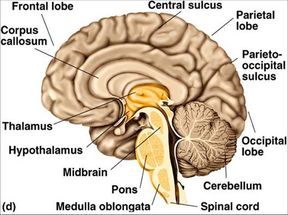
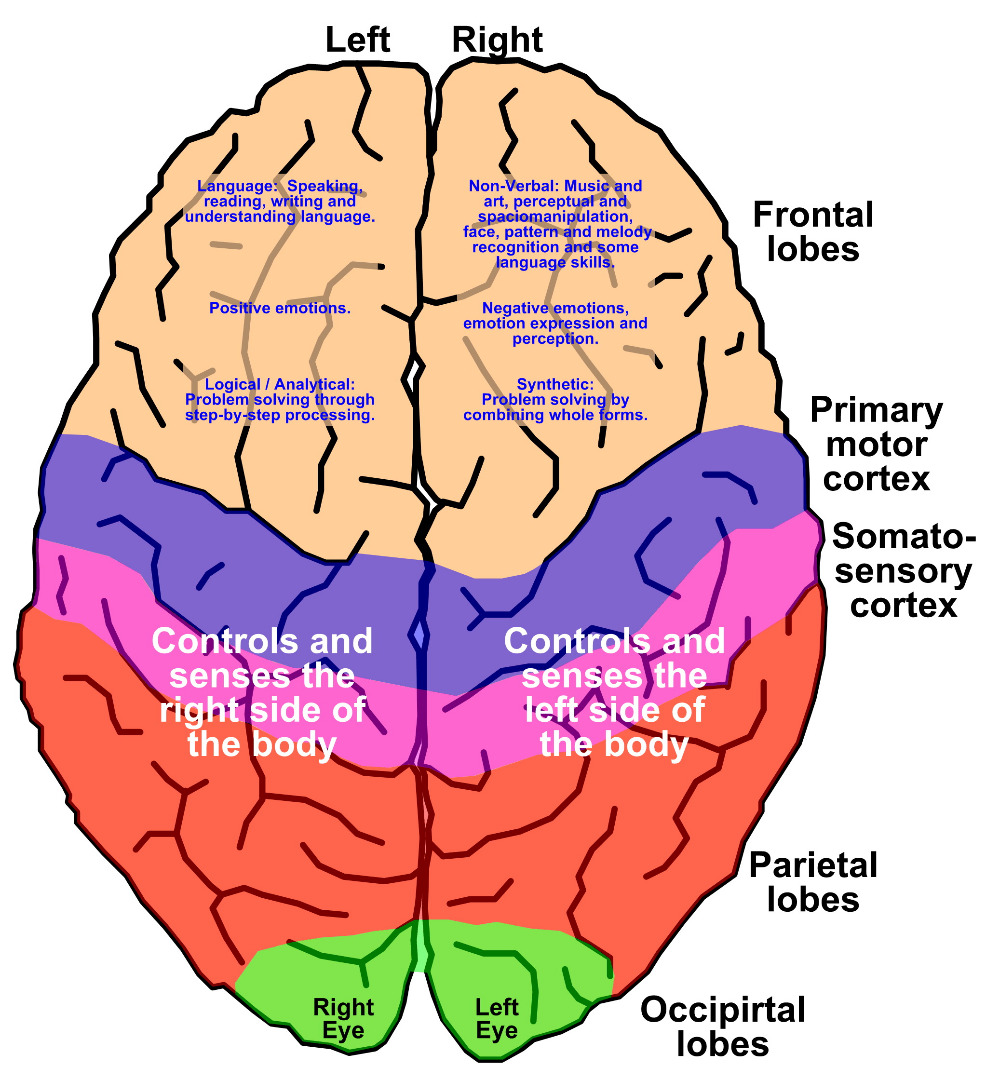
1. Cerebral Medulla ( – / + )
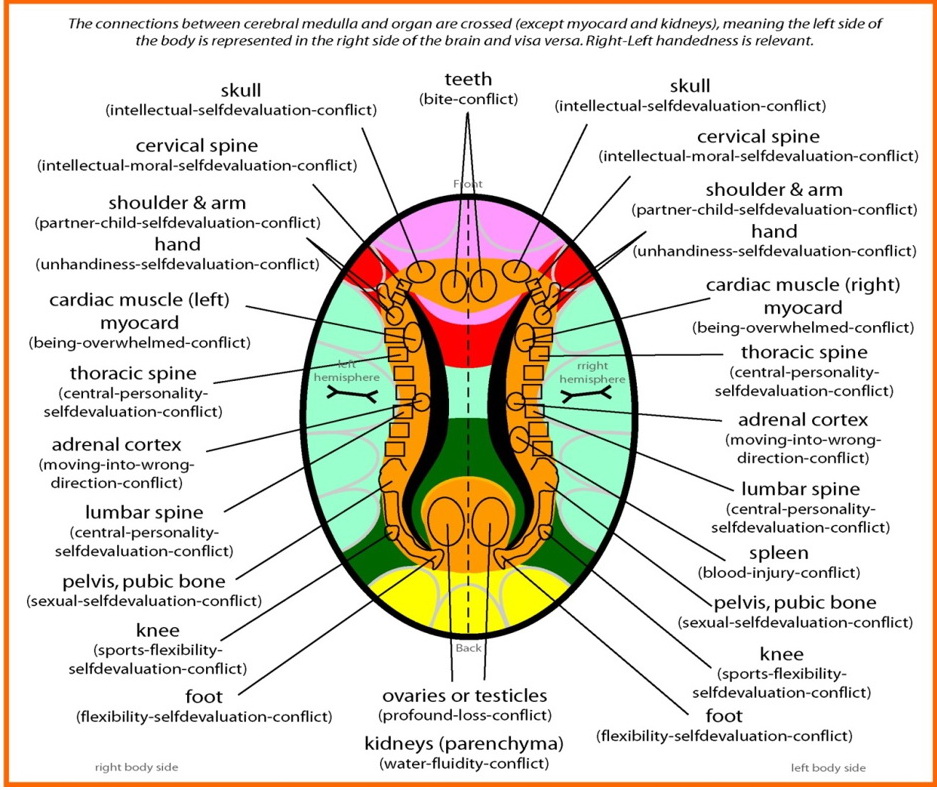
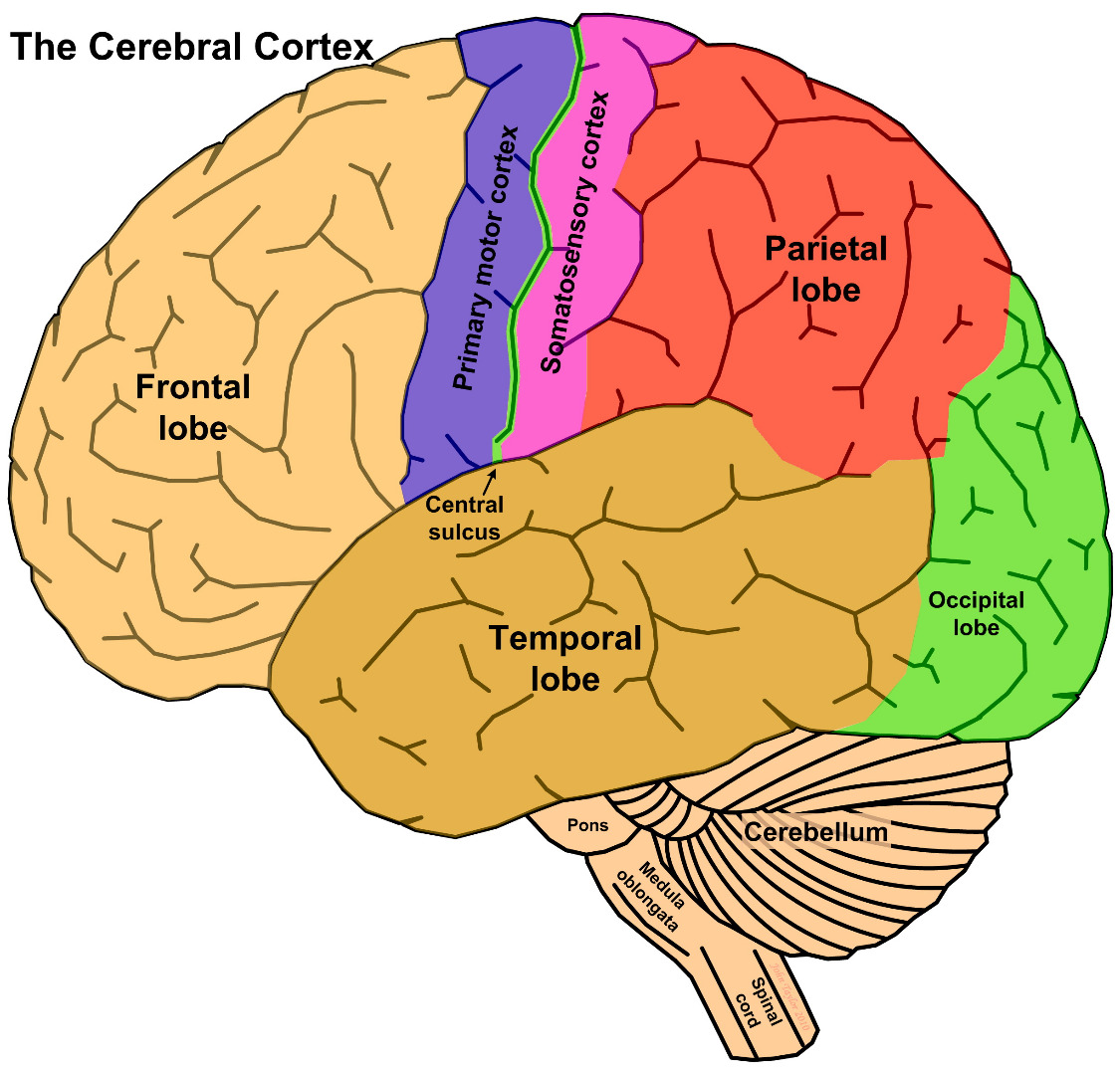
2. Cerebral Cortex ( – / + ) postsensory area for perichondrium sensitivity
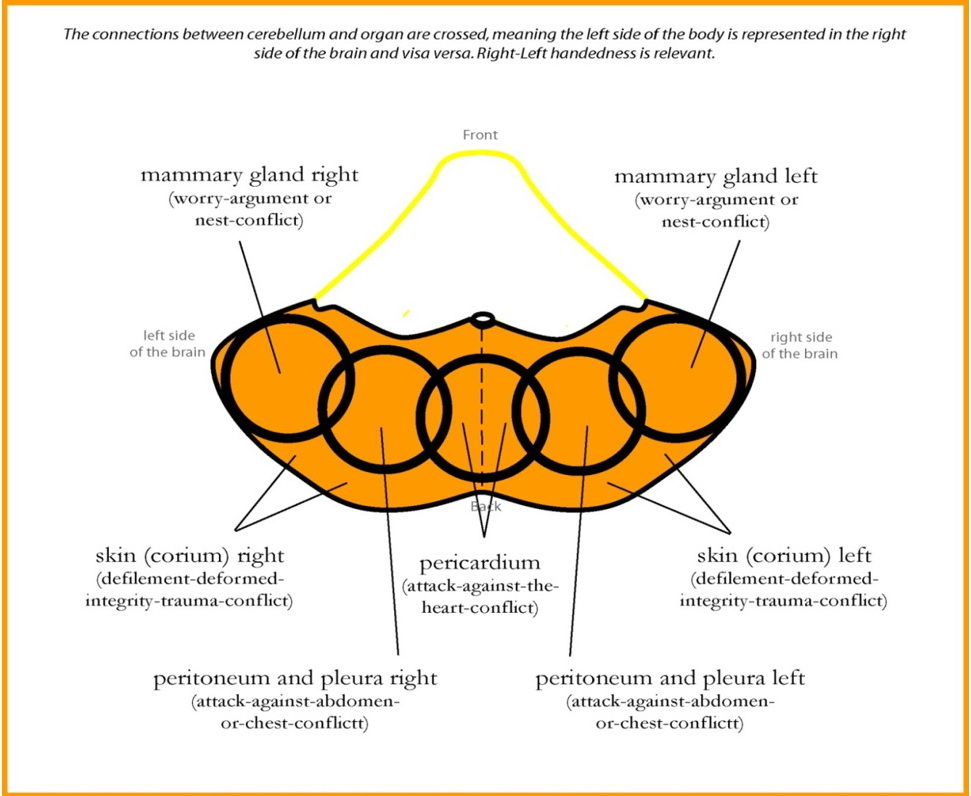
3. Cerebellum ( + / – ) dorsal. for perichondrium
Mind
Theme:
Self-devaluation trauma, functional self-worth regarding the affected place or joint. Cartilage is about smoothness and buffering
Association to locality:
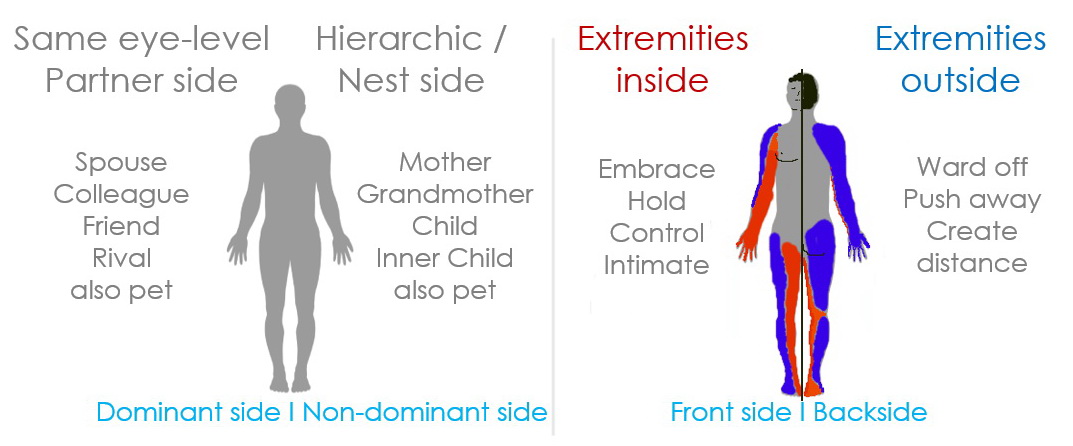
For special associations according to locality see “Musculoskeletal System – Overview“!
Emotions and Thoughts:
Frustration, uncertainty, self-consciousness
- My (affected limb) is not strong and good enough.
- I´m not smooth or flexible enough.
- I am a people-pleaser.
- I can´t take that.
- This is too hard to bear.
- I can´t support my relationship.
META-Meaning:
- I love myself moving and connecting with the world.
- I am strong and flexible like a tree.
Organ
Stress Phase Symptoms:
Fibrous cartilage reacts similar to bone tissue, with dystrophy and degradation. Also, the perichondrium reacts similar to periosteum (Inner Skin Pattern, hypersensitivity in stress phase).
Hyaline cartilage is very much linked to affection of joints and their movement, as it´s supply with nourishment is dependent on diffusion and pumping motion in the area. Thus, performance under physical pressure and stress, or under suboptimal supply conditions, can wear the cartilage. Chondrosis, osteochondrosis or arthrosis can be possible diagnoses.
Regeneration Phase Symptoms:
Cartilage is slow to regenerate and affections often heal with fibrocartilage which is not as functional as the original matrix. Nevertheless, there is a functional increase of the chondrocytes producing matrix (hyperchondrosis) that may be diagnosed as chondroblastoma, benign (chondroma) or malignant tumor of the cartilage tissue (chondrosarcoma).
The possible symptoms of regeneration phase are swelling and pain, when the perichondrium is stretched. In case of an active water retention syndrome a keloid swelling of the cartilage may arise. Processes especially in toe and finger joints in connection with accumulation of uric acid (e g through stress-active renal tubuli ) are called gout (hyperuricemia, podagra)
The conflict pattern often remains in a ‘hanging regeneration phase’ with chronic osteoarthritis/-arthrosis.
Biological Meaning:
Biological meaning of hypertrophy of chondrocytes/chondroblasts lies in the functional increase of producing matrix to repair or grow cartilage surfaces.
The meaning of repair with fibrous cartilage is to increase the tensile strength.
Social
In processes of the Cerebral Medulla, thoughts and beliefs play a major role, which can feed the destructivity of the stress phase. Typical evil cycles develop from the symptoms in regeneration phase, and have to be broken step by step with resourcing.
Examples:
- A client who suffered a self-devaluation from his previous wife telling him he was a bad husband and lover, gets knee problems after their separation (resolution). He can’t play soccer anymore (secondary self-devaluation). After clearing the issue and finding a new relationship, he recovers and can play again.
- A young girl gets pierced through the ear for beauty reasons, which to her means an upgrade of her self-worth and position in the group. The wound heals with a keloid, because she yet felt unsupported.
- After a strenuous weekend with a family celebration, conducting a seminar and a computer breakdown, a woman gets hip pain in her right hip. After realizing “Everything happens in flow and to my benefit”, she recovers.
Additional Information
Most cartilage affections are connected to direct physical reasons of wear and conditions.
An arthrosis, even if the cartilage has “completely” vanished, does not necessarily mean pain and immobility.
Constellations:
Megalomania, Motivational Constellation (both hemispheres affected in Cerebral Medulla): the turnaround of self-devaluation, belief in one’s abilities and achievements in spite of handicaps. In this constellation, the organ tissue is still affected.
- Skull: Intellectual megalomania
- Cervical spine: Justice (rebel-)megalomania
- Thoracic spine: Honesty megalomania
- Lumbar spine: Passion megalomania
- Shoulder: Responsibility megalomania
- Arms: Manager megalomania
- Hands: Dexterity megalomania
- Pelvis: Sexual megalomania
- Hip: Patience megalomania
- Legs: Stability megalomania
- Feet, knees: Stability or mobility megalomania
Differential Diagnosis:
Bones(CM, -/+) Bone tissue lies deeper than cartilage where both are present e g in joints. If cartilage is affected, often the bone tissue will react as a consequence as well with calcifications in the joint.
Ligaments& joint capsules (CM, -/+, CB +/-) While cartilage is covering joint surfaces, other types of connective tissue structures like joint capsule and ligaments surround and guide the joint. These structures tend to shrink successively when the mobility of the joint is impeded by degraded cartilage, missing synovia and pain.
Skeletal Muscles (CM, -/+) Skeletal muscles and fascia usually are involved in processes of the cartilage in joints. Even if the process of degrading cartilage or swelling in regeneration phase doesn´t directly affect muscles, the pain felt will let them contract for protection, and possibly later weaken because uncomfortable movements are avoided.
