
Mouth – sensitive Oral Cavity and Tongue Mucosa
Anatomy
All oral cavity is lined with a mucosa consisting of stratified squamous epithelium. Sensitive innervation is by the Nervus buccalis, a branch of Trigeminus nerve.
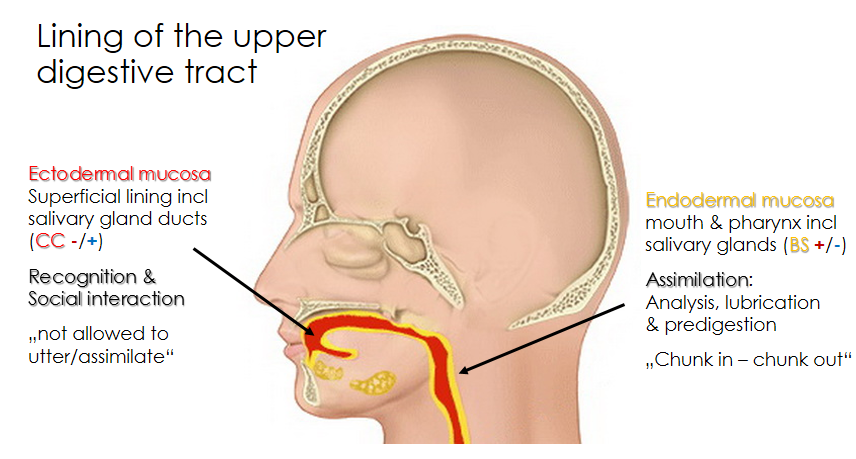
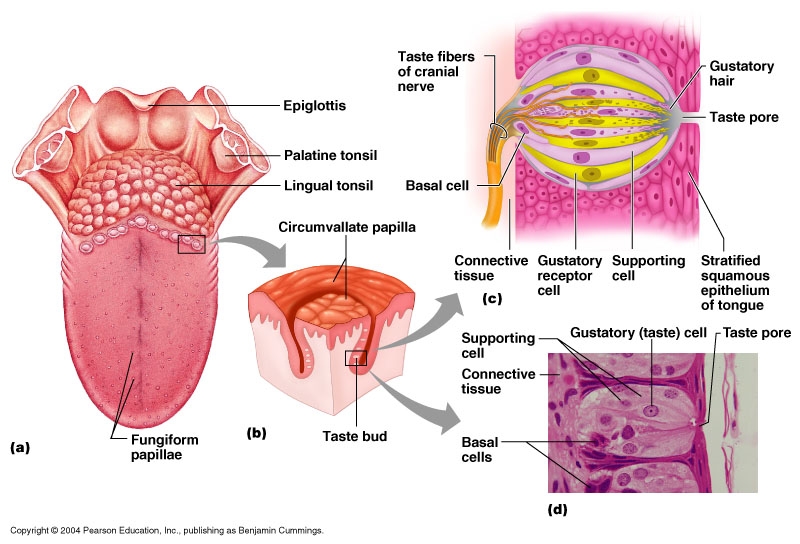
The Tongue mucosa possesses papillae for touch and taste. Their sensory innervation is in the anterior 2/3 by by the the lingual nerve, in the posterior 1/3 by the glossopharyngeal nerve (hence, influencing the vagal tone). The facial nerve takes part in the forwarding of gustatory impressions.
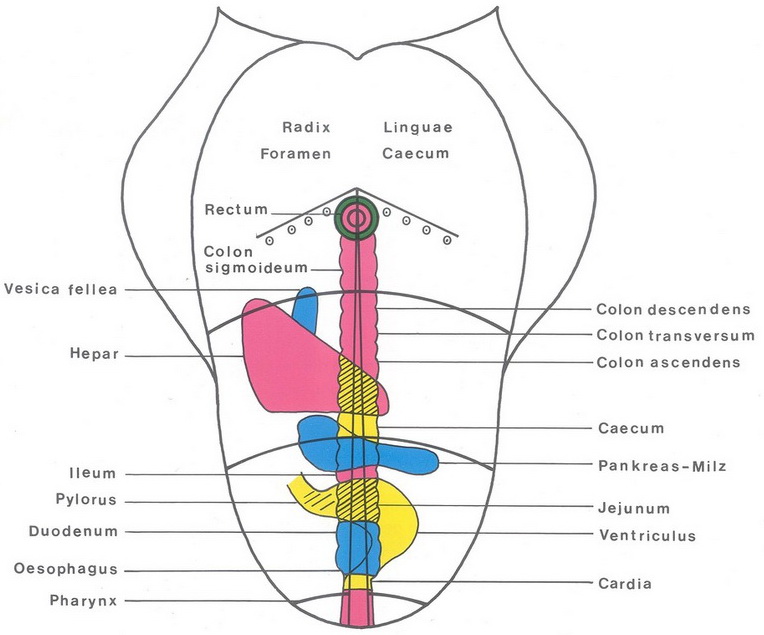
The tongue also has reflex zones for inner organs:
Brain
Relay:
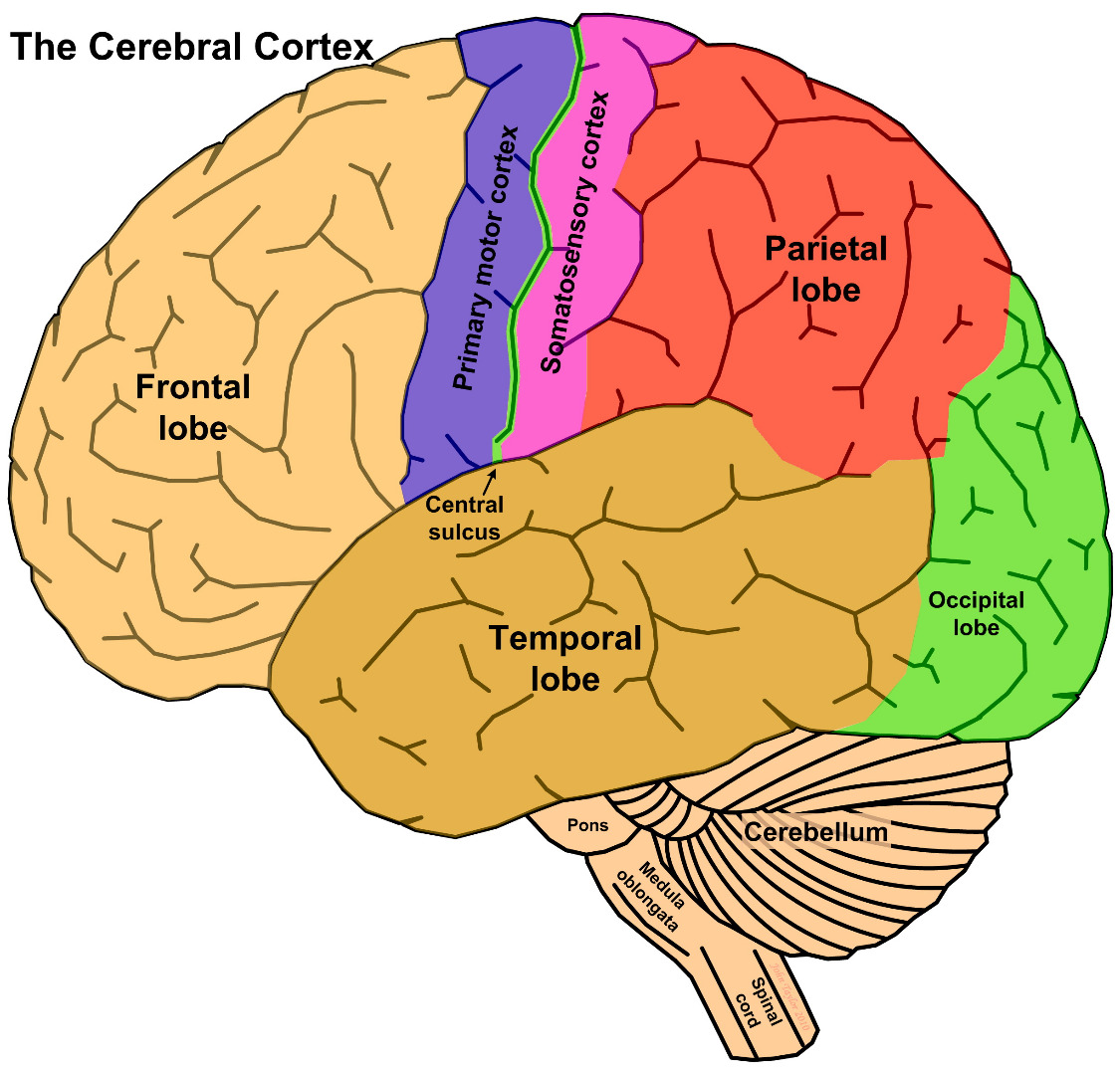
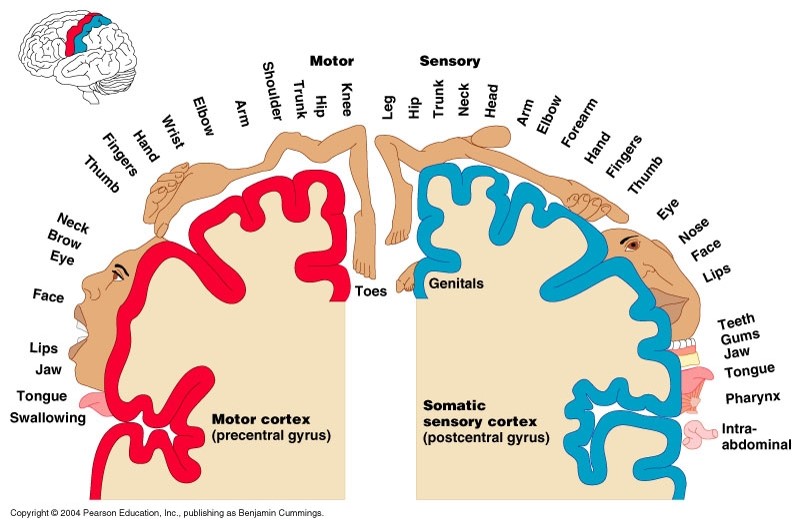
Cerebral Cortex ( – / + ) premotoric sensory area, caudal left & right
Mind
Theme:
- Mouth contact, Social mouth function, sucking, kissing
- Recognition: joy or disgust in gustatory impressions
- Expressing oneself
Emotions and Thoughts:
Fear or anger connected to mouth functions:
- Let me have my say!
- Do I have to speak now?
- I don’t want to say that.
Mouth contact, taste: - I miss his kiss!
- This is yucky!
- I want more of this!
- Don’t make me do that!
META-Meaning:
- Now I can and I may express what I need and what I don’t want.
- Now I create joy and sweetness in my life and I am grateful for opportunities.
Organ
Sensitivity changes according to Inner Skin/Stomach Mucosa Pattern with hyperesthesia in stress phase.
Gustatory perception is coupled to olfactory sense, especially in recognizing and imagining complex flavours.
Stress Phase Symptoms:
Ulceration of the squamous mucosa of the mouth. Typical symptoms are painful canker sores (stomatitis aphtosa), cracks in the tongue, and mouth or tongue ulcers.
Gustatory sense is heightened and tastes can be conditioned into stress triggers in the UDIN moment.
Regeneration Phase Symptoms:
Local swelling of the mouth mucosa as the ulcer begins to heal, canker sores or possibly cracked mouth corners and possibly mucosal bleedings. Virus can be present, as in scarlet fever with the typical red tongue, or HPV in tongue warts. In case of large and /or long term stress intensity an oral cavity or tongue carcinoma may occur.
Temporary loss of taste mainly by congestion of nasal mucosa and olfaction.
Biological Meaning:
In stress phase, the oral cavity is widened and hypersensitive in order to cope proactively with mouth and tongue issues.
Social
Examples:
- The client got canker sores in the inside of her lower lip after having phoned her mother and clarified an emotional issue.
- A woman whose partner regularly wants oral sex against her own wishes gets tongue warts.
- A shy boy has accustomed to kindergarten and has learned a song that he sings enthusiastically. The next day he gets scarlet fever and a red tongue.
Additional Information
There are several types of oral cancers, but around 90% are diagnosed as squamous cell carcinomas.
Constellations
Taste Constellation: Heightened gustatory sense and imagination, gustatory hallucinations
Differential Diagnosis:
Oral Cavity and Tongue Mucosa(endodermal) (Brain stem +/-) stress phase (assimilation, analysis): Enhanced sensory and secretory functions, tumor growth that is painless unless it breaks through the mucosa, then leading to painful canker sores or aphthous stomatitis. Regeneration phase: tissue decomposition by fungi like candidal stomatitis
Salivary Gland Ducts (Cerebral Cortex -/+) Stress (not allowed or forced to swallow or express): enhanced release of saliva, later ulceration; Regeneration phase: swelling, obstruction, possibly tumor formation
Salivary gland (Brain stem +/-) Stress (assimilation): functional increase and tumor growth; Regeneration phase: abscess, mouth odor, microbial decomposition; Chronic: desiccation, Sjögren-Syndrome.
Lymphoid tissue in tonsils, sublingual tonsils (Cerebral Medulla -/+) Stress (choice, self-definition):weakened detox & immune responses;
Regeneration phase: swelling, enhanced immune response; chronic: autoimmune reactions possible
