Mouth
Anatomy and Functional Physiology
The mouth is the beginning of the digestive tract. Here, food is caught, chewed, and salivated as preparation for further decomposition and usage.
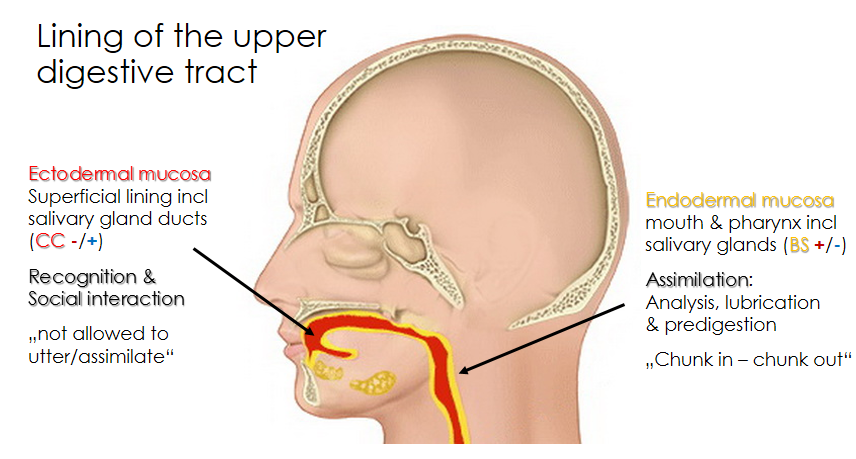
There are about 32 teeth in the mouth, divided by function into incisors, fangs and molars, which are fastened in the 2 jawbones. Mouth and pharynx are lined with mucosa which tightly envelops the dental necks as gum (gingiva). Embedded into the gums are salivary glands, lymphatic cells and sensory receptors for touch, pain and temparature.
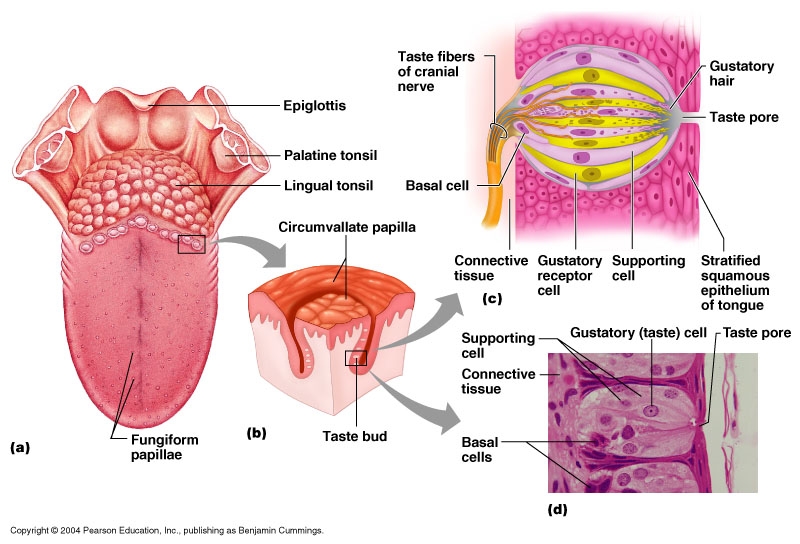
The mucosa of the mouth also lines the tongue, a muscle essential for examination, sucking, swallowing and sound production. It contains taste buds, papillae for chemical analysis of the contents of the mouth, which together with the sense of smell perceives the qualities of the ingested. Taste signals in the sensory cells are transferred to the ends of sensory nerve fibers and from there impulses are sent along the cranial nerves to the taste regions or relays in the brainstem. From here impulses are relayed to the thalamus and then to the cerebral cortex for conscious perception of taste.
These senses are also used in the storage of emotionally significant moments and conditioning of stress or regeneration triggers in the brain. They regulate the release of neurotransmitters influencing the nerve system and hormone production.
Besides ingestion, analysis and predigestion of food, the mouth serves many social functions as verbal communication, mimic, sexuality, and signals to attract or resist.
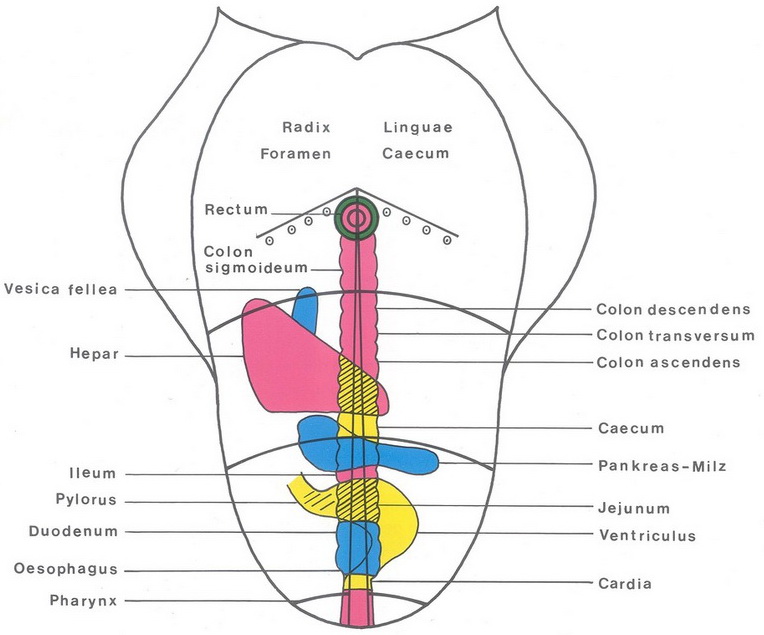
The tongue also has reflex zones for inner organs:
Brain
Relays & META-Organ tissues
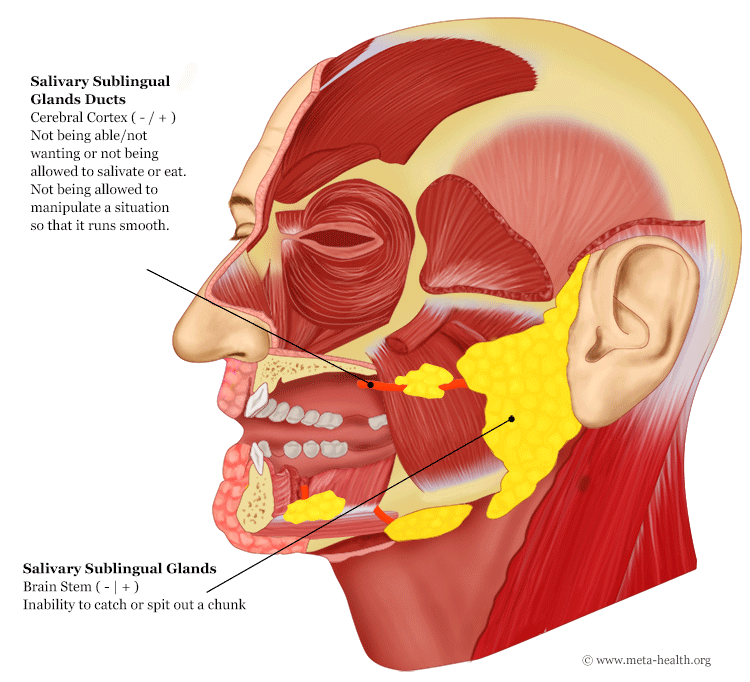
Cerebral Cortex ( – / + ):
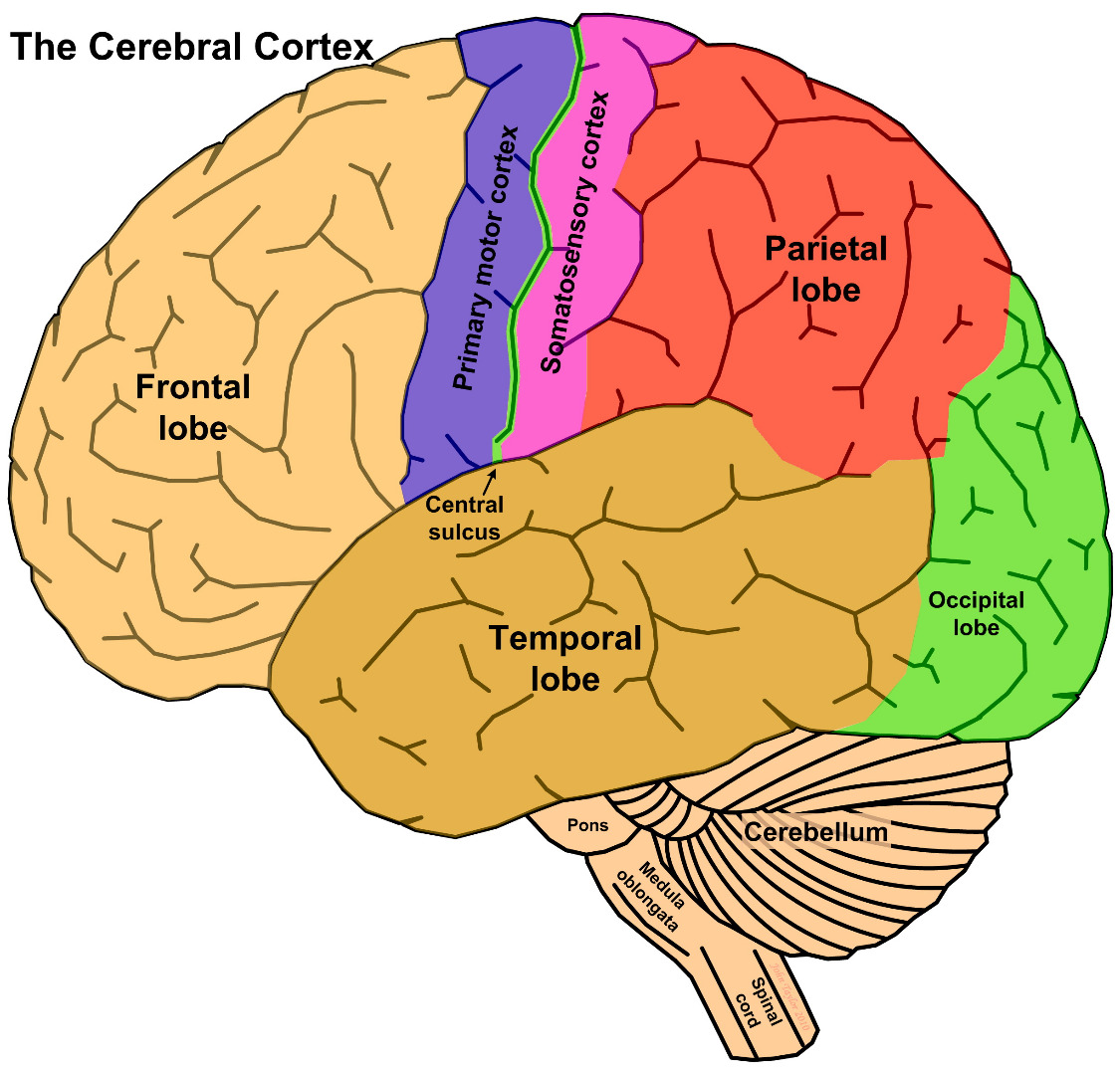
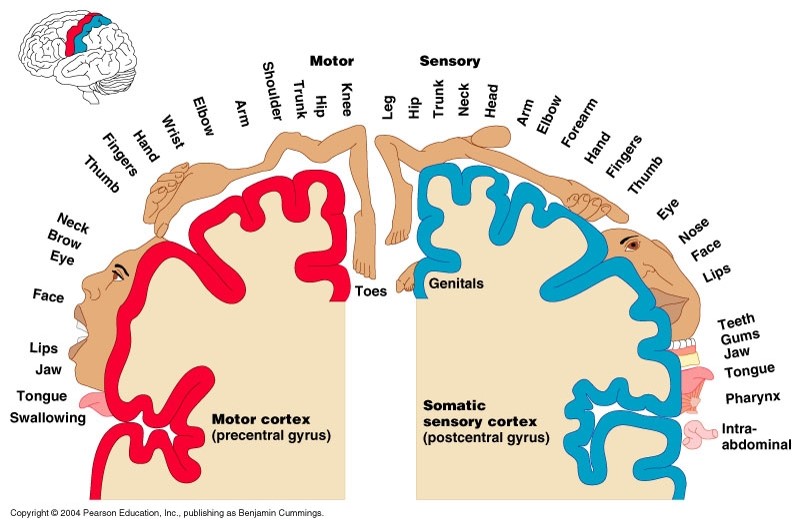
- Oral,Tongue & Palate Mucosa (ectodermal)
- Salivary glands excretory ducts
- Dental nerves, sensory & motoric nerves
- Teeth enamel
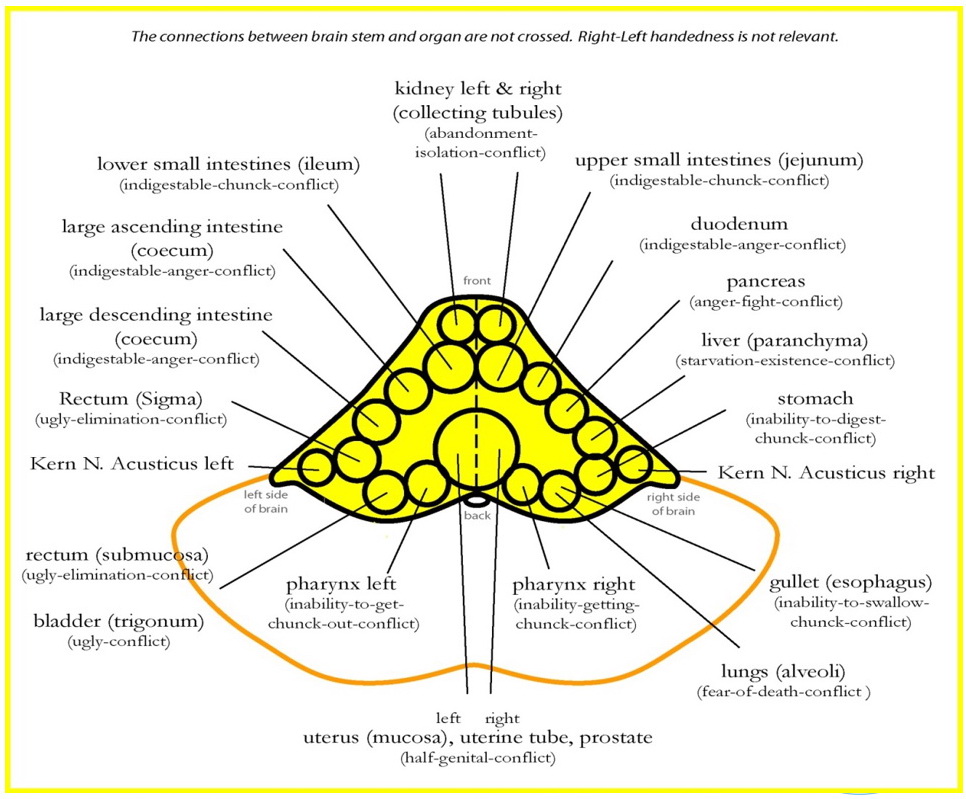
Brain Stem ( + / – ): - Oral,Tongue & Palate Mucosa (endodermal)
- Salivary Glands
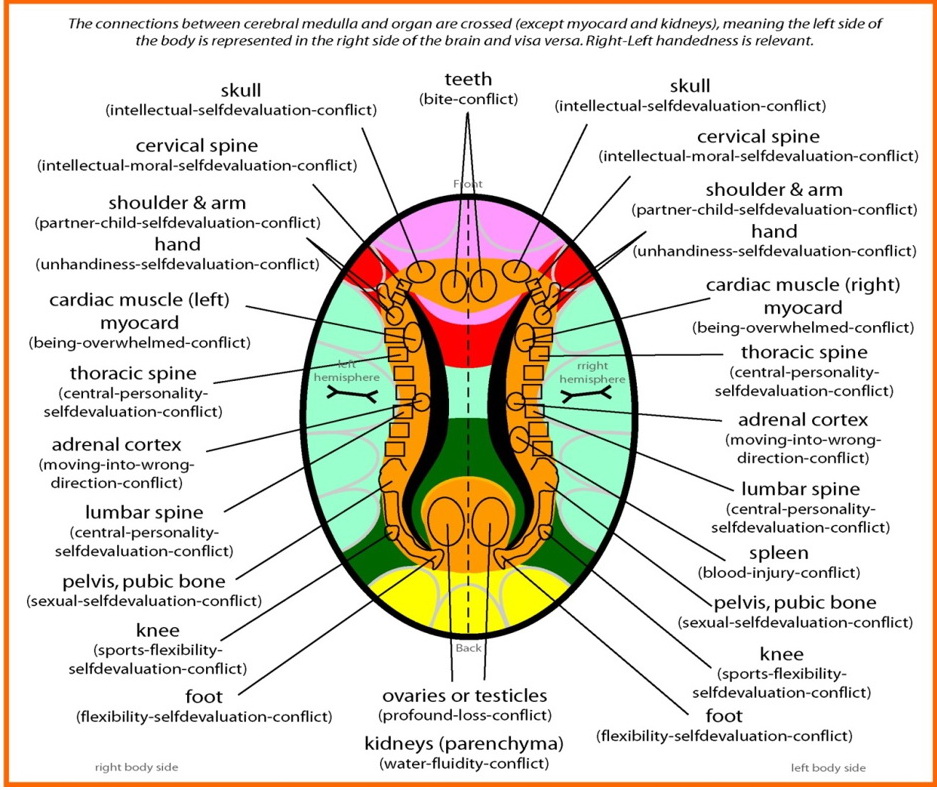
Cerebral Medulla ( – / + ): - Tongue Muscle
- Teeth Dentin
- Submucosa connective tissue)
- Hard Palate bone)