Mouth – Palate
Anatomy:
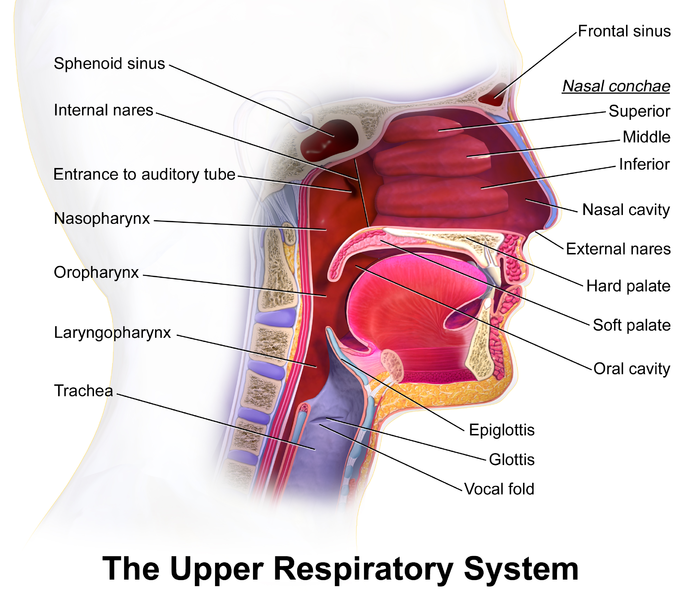
The palate or “roof of the mouth” belongs to the digestive system. It is divided into two parts: the bony hard palate in the front, and the fleshy soft palate (called the velum) in the back of the mouth. The hard palate is part of the oral cavity and the soft palate is part of the oropharynx.
The hard palate creates a barrier between the mouth and the nasal cavity. A natural opening in the palate for nerves and blood vessels (near the third molar) can create a passageway for a tumor to spread into the nasal cavity. It is lined by mucosa well provided with blood vessels, nerves & salivary glands.
The soft palate consists mainly of muscle lined with mucosa. It closes the nasal passage during swallowing so food does not enter the nose. It also helps create speech sounds. If the palate does not function correctly during speech, air escapes through the nose, and the speech has a nasal sound. During a sneeze, the soft palate closes the nasal passage to protect it. Substances in the sneeze are thrown out into mouth.
The uvula in the middle of the velum creates a gag reflex upon touch.
The palate muscles are innervated by the cranial nerves vagus & glossopharyngeus.
Brain
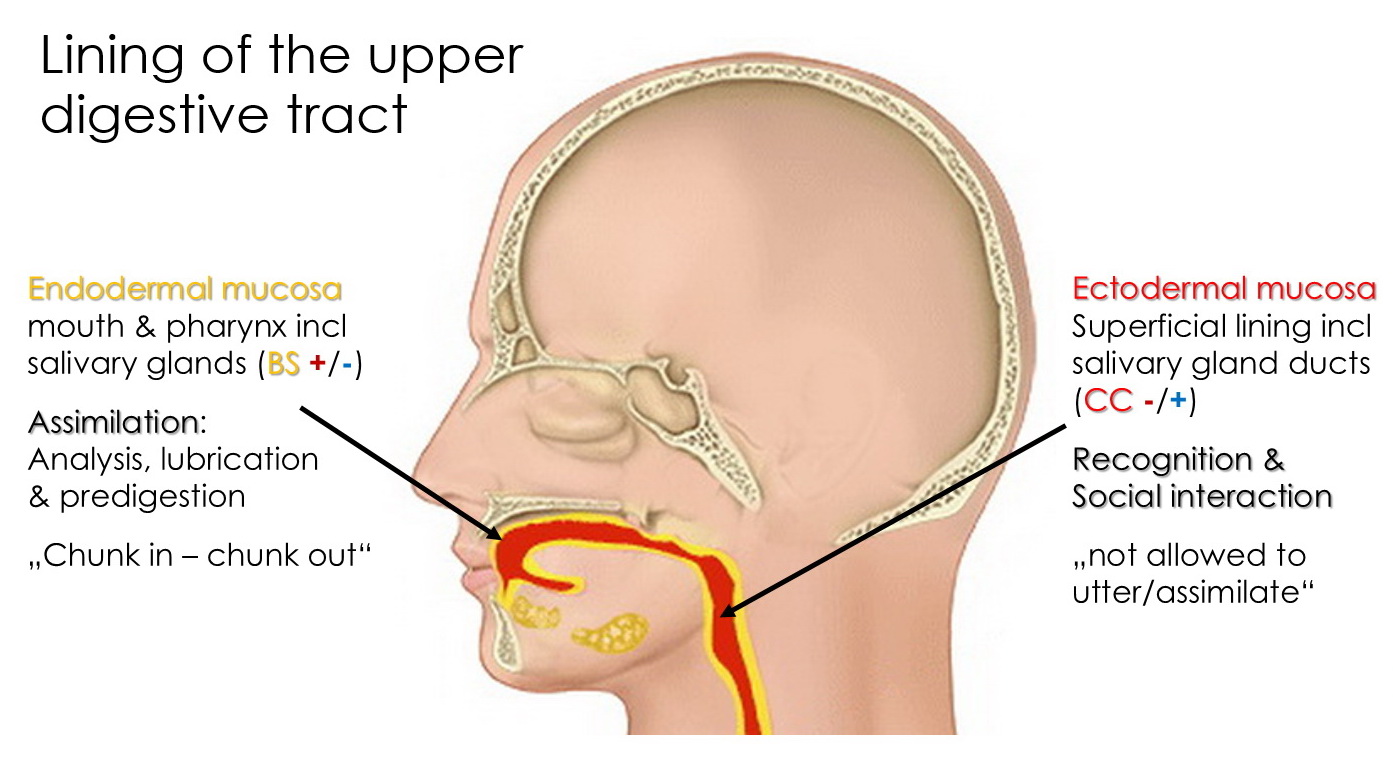
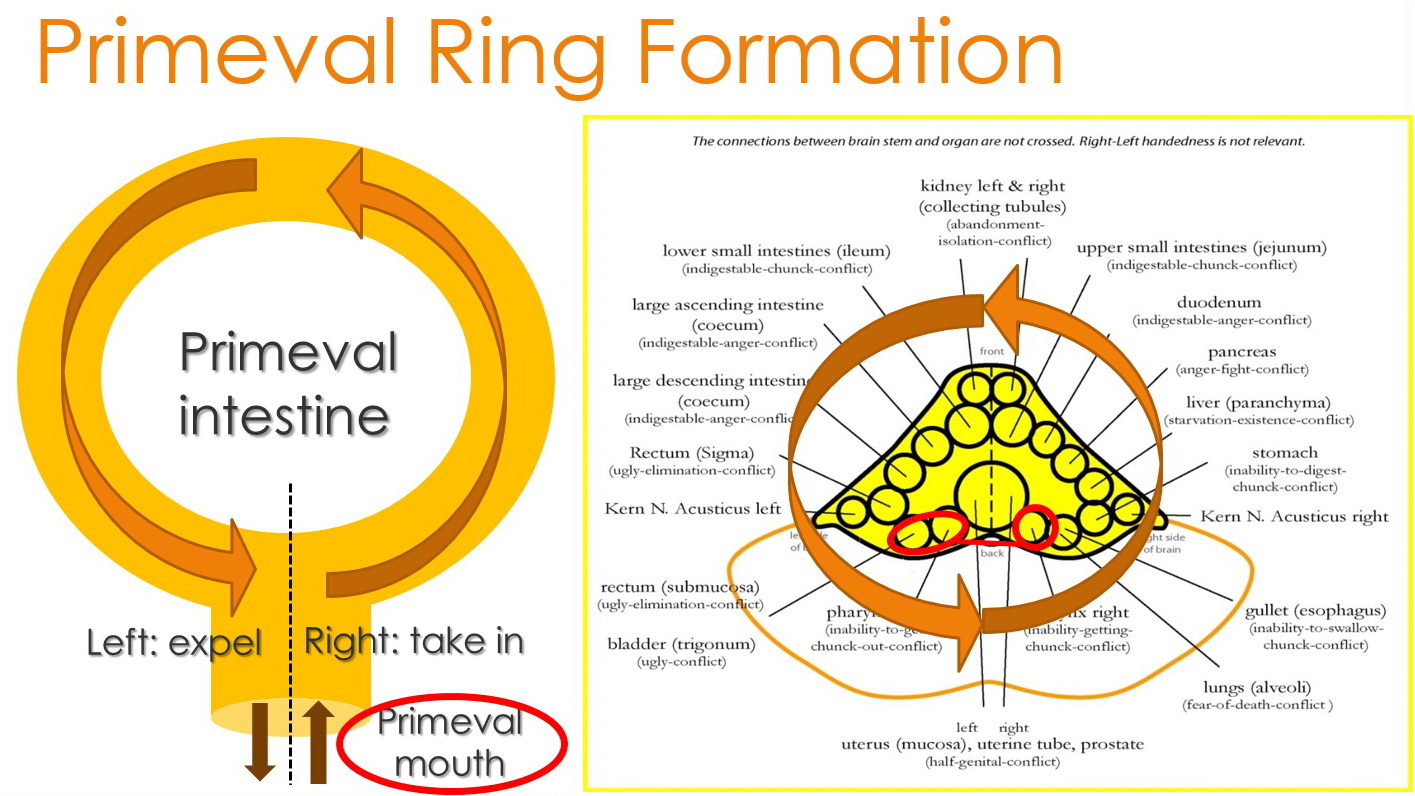
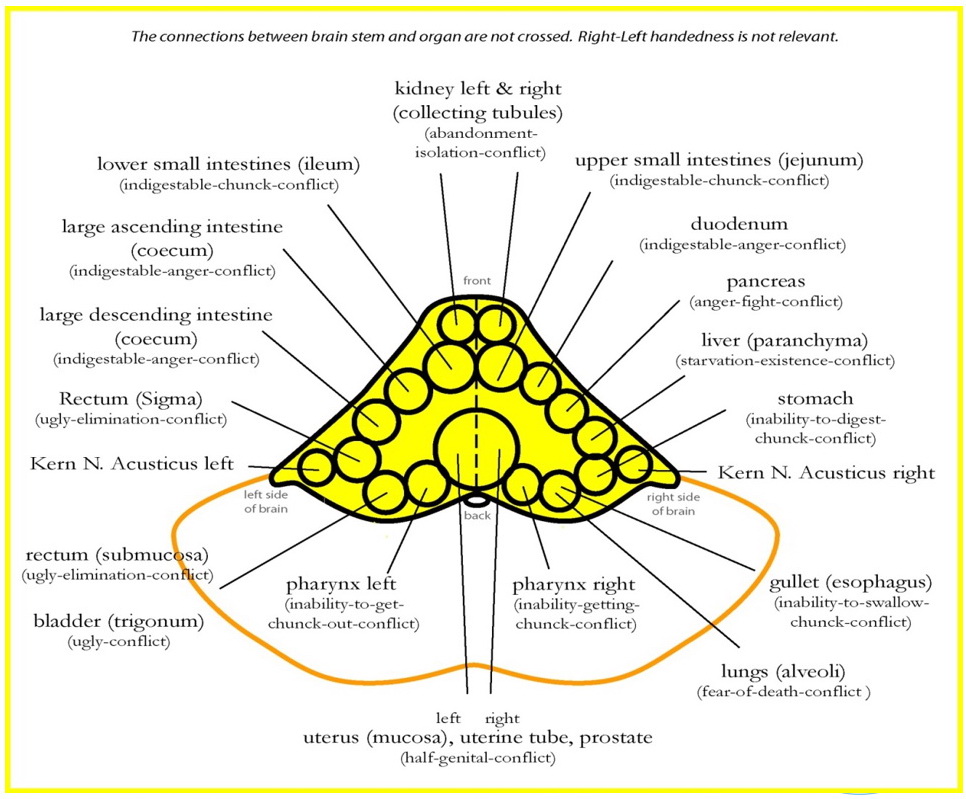
In the Brain Stem, the primeval ring structure is reflected: organ tissue relays with assimilative and digestive functions from oesophagus to small intestines are situated in the right brain stem, while excretory organs from caecum to rectum are relayed in the left brain stem. Medial on both sides are the relays of mouth/pharynx, middle ears and lacrimal glands, as well as the pineal and pituitary glands and the thyroid.
Relay:
Brain Stem (+/-) dorso-central, for ciliated epithelium & salivary glands
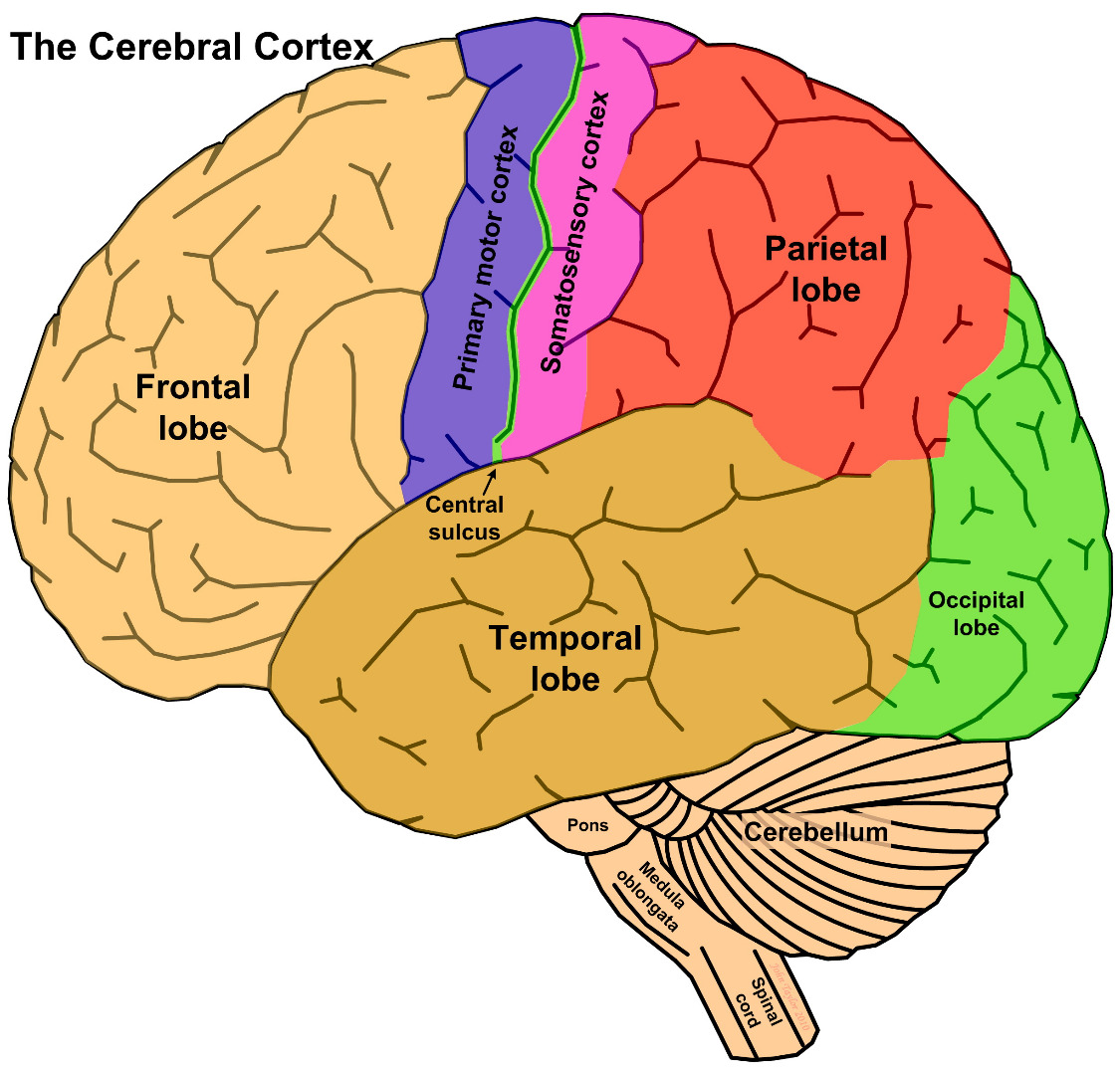
Cerebral Cortex (-/+) for sensitive oral mucosa (squamous epithelium), salivary gland ducts