Heart – Pericardium/Epicardium
Anatomy
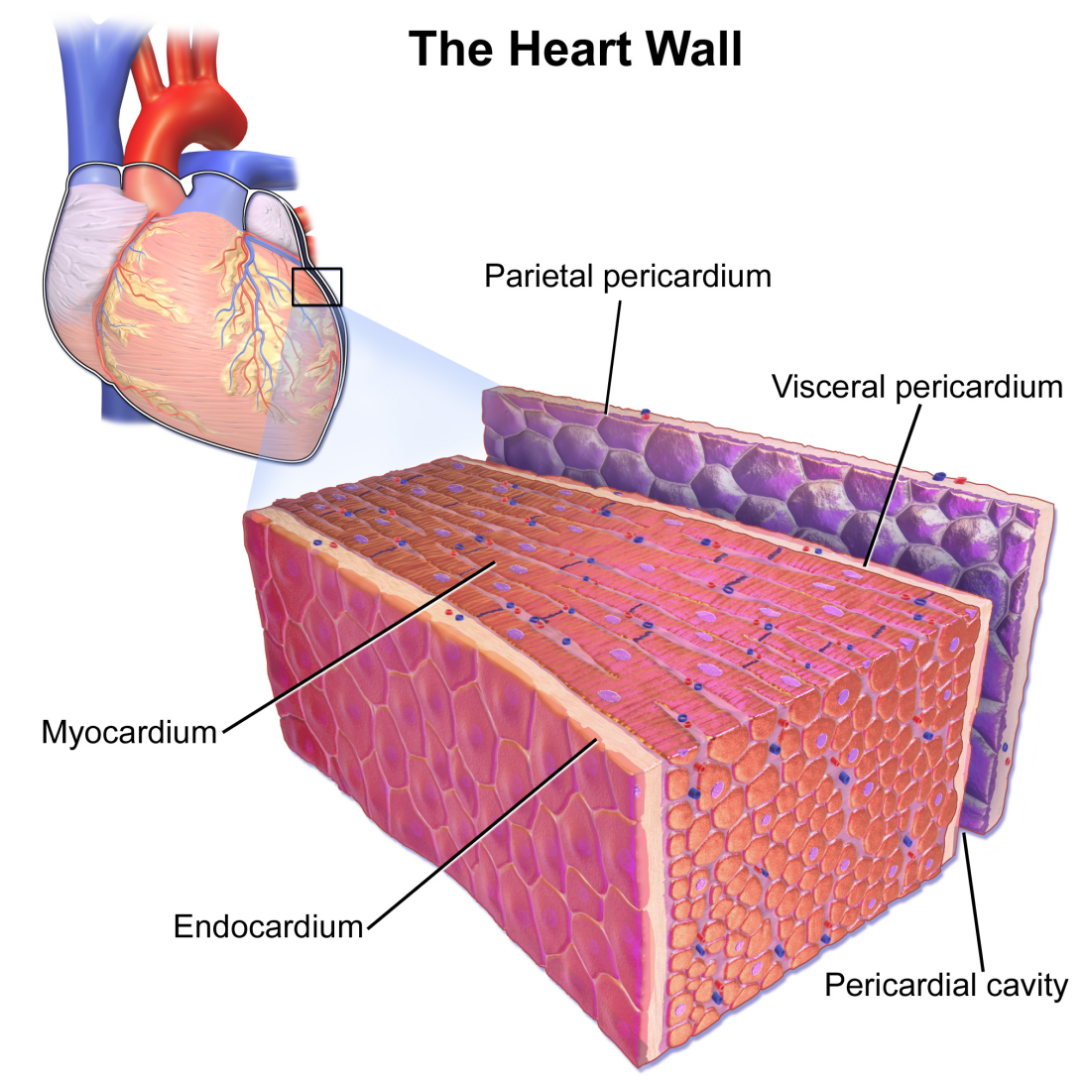
The pericardium is a double-walled sac that contains the heart and the roots of the great vessels. There are two layers to the pericardial sac: the fibrous pericardium and the serous pericardium. The serous pericardium in turn is divided into two layers:
- the parietal pericardium which is inseparable from the fibrous pericardium
- the visceral pericardium or epicardium on the outer surface of the heart.
In between the parietal and visceral pericardial layers is the pericardial cavity, a space filled with pericardial fluid for lubrication. Too much fluid in the cavity (such as in a pericardial effusion) can result in pericardial tamponade compression of the heart within the pericardial sac.
Brain
Relay:
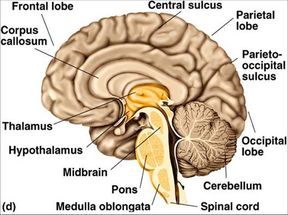
1. Cerebellum ( + / – ) medial for pericardium
Brain-organ-relation uncrossed!
2. Cerebral Medulla (-/+) for epicardiumin area of left & right myocardium, brain-organ-relation uncrossed!
Mind
Theme:
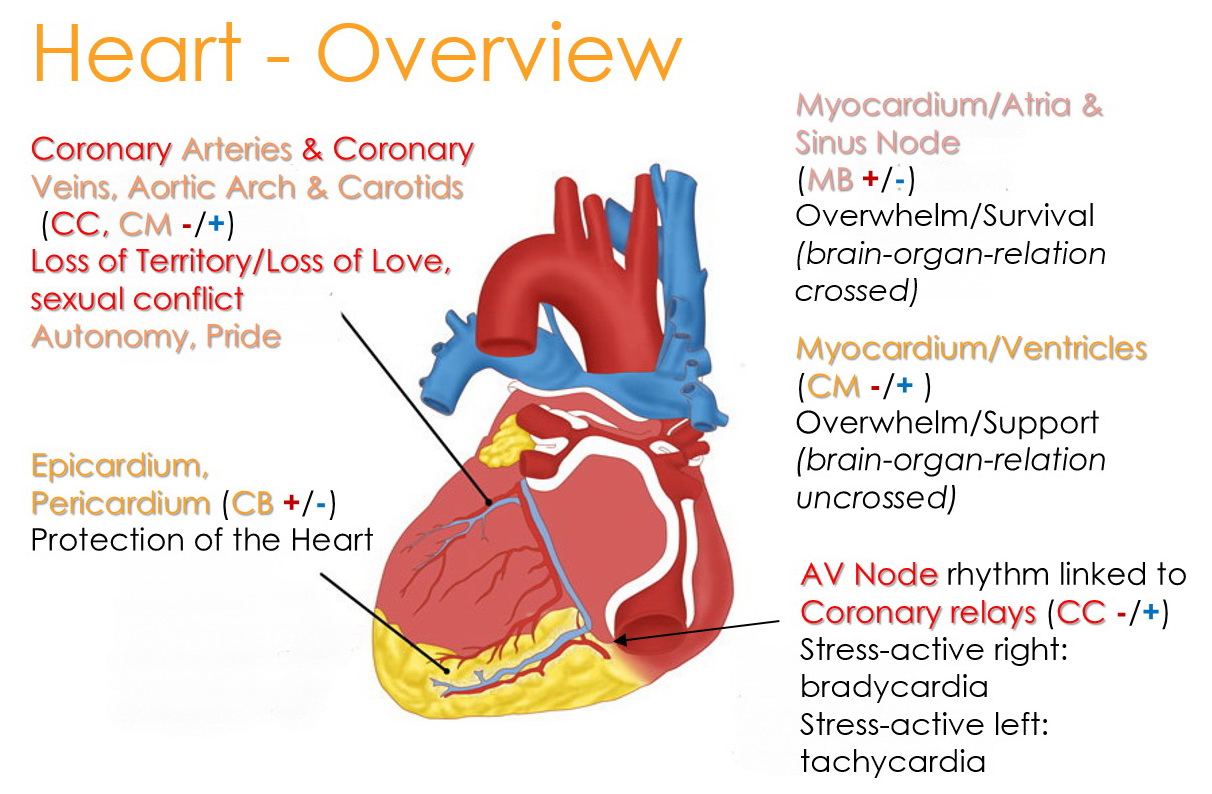
Integrity and protection of the heart
Emotions, Thoughts:
A real or an associated or feared attack against the heart.
Pain, fear, worry - That hurts my heart!
- He stabbed me into my heart.
- They want to cut my heart open!
- I can´t protect my heart.
META-Meaning:
- Now, I can take care of my heart and let go of my fears.
- Now my heart feels at ease.
Organ
Stress Phase Symptoms:
1. CB: Cell proliferation as reinforcement of the pericardium, which can be diagnosed as mesothelioma or mesothelial hyperplasia.
2. CM: Restricted supply and weakening of the epicardium.
Regeneration Phase Symptoms:
Inflammation (pericarditis or epicarditis) accompanied by presence of bacteria or mycobacteria leads to pericardial effusion. A common diagnosis at this stage is cardiac insufficiency (due to the effusion, the valves cannot close properly). The main symptoms of heart insufficiency are the shortness of breath, breathlessness, underperformance, fatigue and dejection (also with night sweats and subfebrile temperature). If the pericardium is not divided there is a circular pericardial effusion that may lead to the compression of the heart (pericardial tamponade). The mechanical obstruction of the heart in diastole can cause cardiac congestion, decreased stroke volume, hypotension and pulse acceleration. In extreme cases, cardiac tamponade can be a life-threatening condition. Pericardial effusion is experienced more dramatic if the renal collecting tubules are stress-active with water retention at the same time.
After the regeneration phase, calcifications may develop in the pericardial wall.
Repeating processes can lead to pericardial concretion which may result in the reduction of cardiac performance. Typical symptoms are an ’armored heart’ or feeling pressure on/around the heart.
Biological Meaning:
The cell proliferation in stress phase happens in order to ward off or to prevent an attack.
Social
Examples:
- Conflict of an attack against the heart (a real or an an associated verbal conflict)
- Conflict of the disruption of heart integrity
- Threatening situations in the heart area
- Diagnosis of heart disease
- heart sinking situation e.g. amongst climbers, after falling into the rope
- When the person experiences angina pectoris or a heart attack, the pain can be so intensive as an assault against the heart. Witnessing a heart attack can be so traumatic for another individual that he experiences it as an assault against his own heart, which results in a pericardial reaction.
- Under certain circumstances, a psychological/emotional reaction can also be experienced as an assault against the heart.
Additional Information
Mesothelioma are generally seen in relation to contact to asbestos, as asbestos fibers seem to cause a buildup of scar-like tissue in the lungs or pleura when inhaled. This explanation seems probable given the conflict theme of attack and protection on the cellular level. Nevertheless, it remains unclear how asbestos fibres reach the pericardium.
Constellations:
Cerebellum Constellation possible: reduced sensitivity (physical and emotional), “emotional burnout”
Differential Diagnosis:
Ventricular Myocardium (CM -/+) gradual reduction of trophic in stress phase (support overwhelm) leads to heart insufficiency; cardiomegaly (athlete’s heart)) or scarring in chronic processes.
Endocardium (Cerebral Medulla, Plexus Cardiacus, -/+) with reduced heart performance due to valve insufficiency in stress phase (performance self-devaluation), painful endocarditis in regeneration phase
Myocardium/Atria(Midbrain/Plexus Cardiacus, +/0) with atrial tachycardia and fibrillation in regeneration phase (after overexertion)
Coronary Arteries and AV node (Cerebral Cortex, Plexus Cardiacus, -/+) with heart arrythmia and angina pectoris in the stress phase (loss of rank or love); and bradycardia, possibly heart arrest, absence, heart pain in the healing peak
Coronary Veins(Cerebral Cortex, Plexus Cardiacus, -/+) with painful angina pectoris in the stress phase (loss of rank or love); and absence, tachycardia or ventricular fibrillation in the regeneration phase.