Inner Ear – Vestibular System
Anatomy
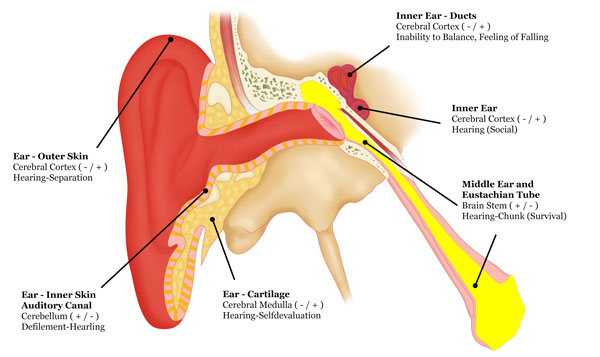
The vestibular system is the sensory system that provides the leading contribution about spatial orientation and sense of balance. Together with the cochlea, a part of the auditory system, it constitutes the labyrinth of the inner ear, situated in the vestibulum in the inner ear.
As movements consist of rotations and translations, the vestibular system comprises two components:
- the fluid-filled semicircular canal system, which indicate rotational movements
- the otoliths, which indicate linear accelerations.
The vestibular system sends signals primarily to the neural structures that control eye movements, and to the muscles that keep a creature upright. The projections to the former provide the anatomical basis of the vestibulo-ocular reflex, which is required for clear vision; and the projections to the muscles that control posture are necessary to keep a creature upright.
The brain uses information from the vestibular system in the head and from proprioception throughout the body to understand the body’s dynamics and kinematics (including its position and acceleration) from moment to moment.graphic: wikipedia, “the hungry artist”
Brain
Relay:
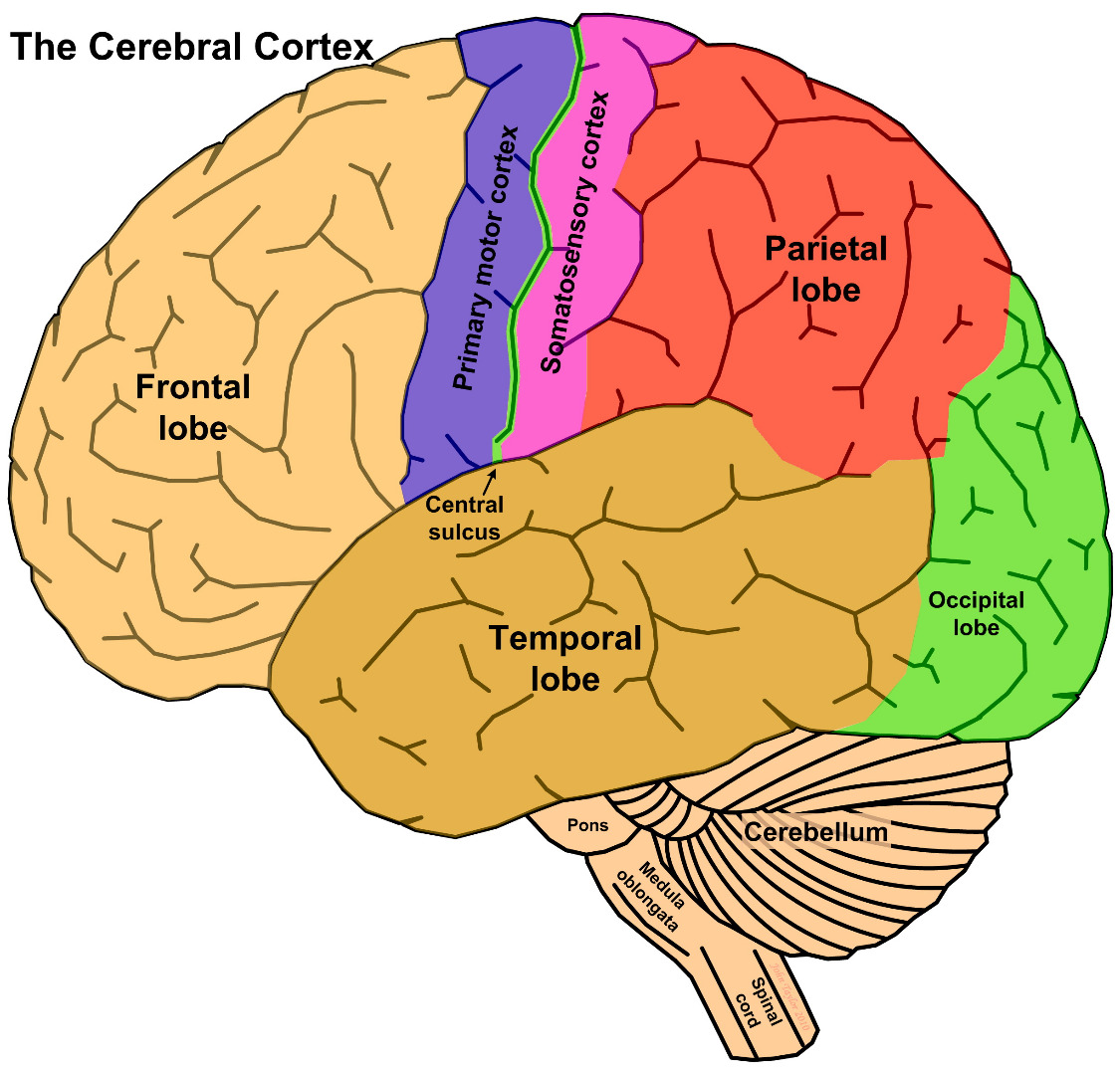
Cerebral Cortex (-/+) postsensory cortex basal portion of temporal lobe, compare Cochlea
Mind
Theme:
Being out of control, out of balance, fear of falling
Emotions, Thoughts:
Fear, uncertainty, vertigo
- This is throwing me off balance.
- I lose the ground under my feet.
- I witnessed how she fell.
- I’m losing control!
META-Meaning:
- I am rooted in the earth and in my life.
- Balance and ease come to me naturally.
- I find a fixed point to focus on.
Organ
Stress Phase Symptoms:
Vertigo is a functional change in the vestibular system without reinforcing or degrading tissue. Because of vertigo, a tendency to falling is often experienced. Symptoms of vertigo can be a feeeling of whirling or spinning movement, dizziness in which a patient inappropriately experiences the perception of motion (usually a spinning motion), nausea, vomiting as well as a balance disorder.
Regeneration Phase Symptoms:
In regeneration phase, the vertigo disappears. When bone structure is affected, labyrinthitis appears. Otosclerosis may develop after intense process with viral infection (this sometimes is observed connected to measles), or after recurrences.
Healing Peak:
Vertigo and falling.
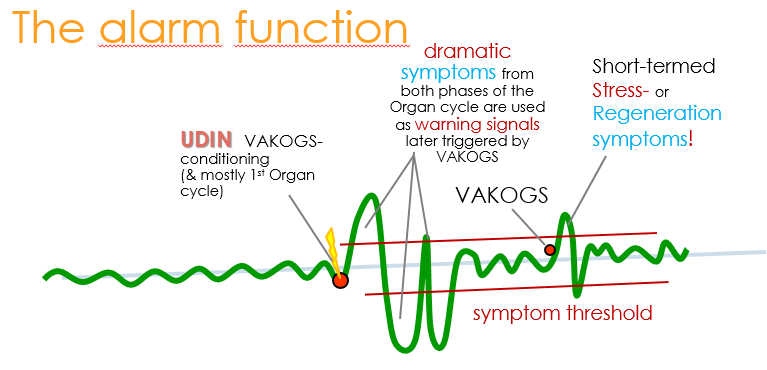
Vertigo can also remain as a warning signal appearing as a conditioned reflex (VAKOGS) upon stress triggers.
Biological Meaning:
Biological meaning in stress phase is to stay on safe ground, to stay more in contact to the earth.
Social
Examples:
- A woman saw her grandchild fall down from the swing.
- A young woman developed vertigo after a climbing accident where she fell and hurt herself.
- A woman feels that she loses control over her life, work, and relationship. After getting glandular fever (Mononucleosis infectiosa), she suffers repeating rotatory vertigo. (Klapp)
- A woman got hearing loss/tinnitus as well as vertigo and labyrinthitis after the deaths of family members.
Additional Information
Constellations
Orientation, "Funambulist": equilibrium conflicts in both hemispheres create extraordinary talents in balancing and orientation; often connected to Megalomania (when bones are affected), or "Flying" constellation (larynx & bronchial mucosae).
Differential Diagnosis:
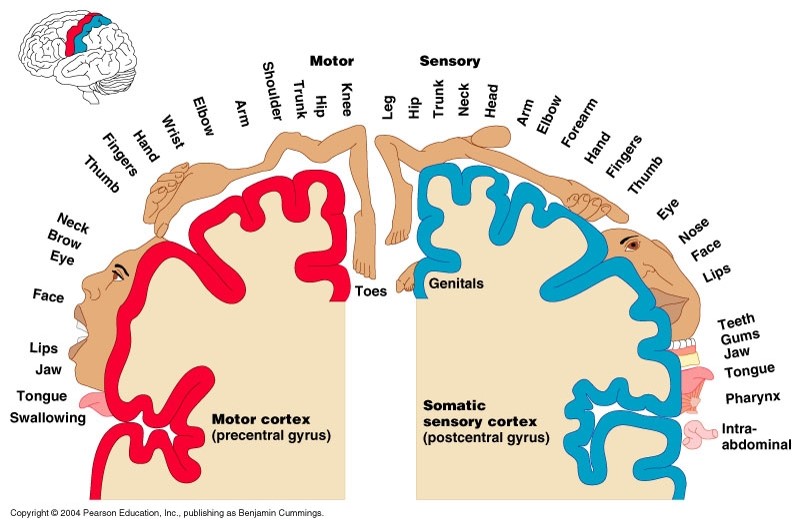
Vertigo can also be caused by low blood pressure and by high intracerebral pressure like in deep regeneration phases, by certain medication, by epilepsy (healing peaks of sensory and motoric cortex relays), by water deficiency, and by affections of the vestibulocochlear nerve.
Inner Ear, Hearing(Cerebral Cortex, -/+), (non-organic functional change) Tinnitus in stress phase (unwanted sound), temporary hearing loss in regeneration phase. Possibly hearing constellation (voices, paranoia, can be manic/depressive if territorial theme).
Middle and Inner Ear, bones and cartilage (Cerebral Medulla, -/+) Stress (self-doubt regarding hearing): functional loss; reinforcement and possibly otosclerosis after completed regeneration phase.