
Small Intestine – Jejunum, Ileum
Anatomy:
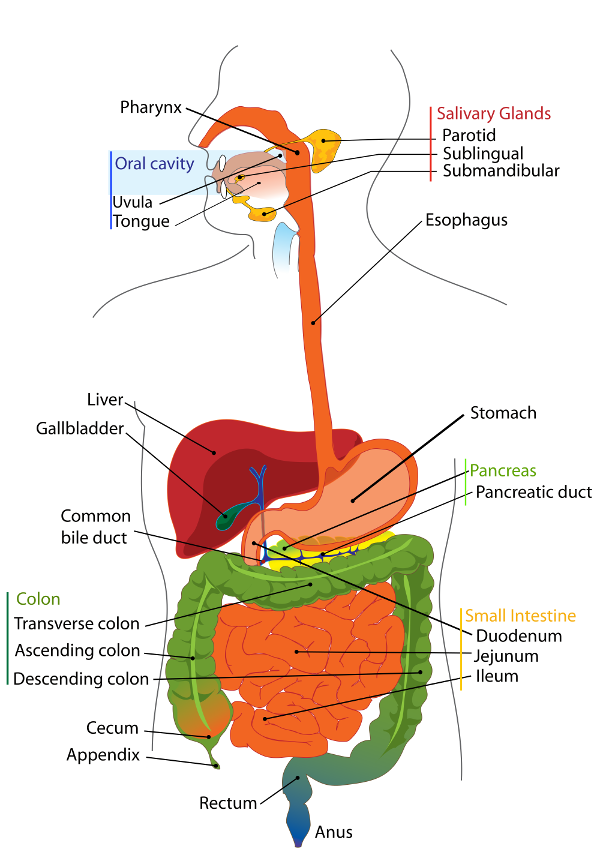
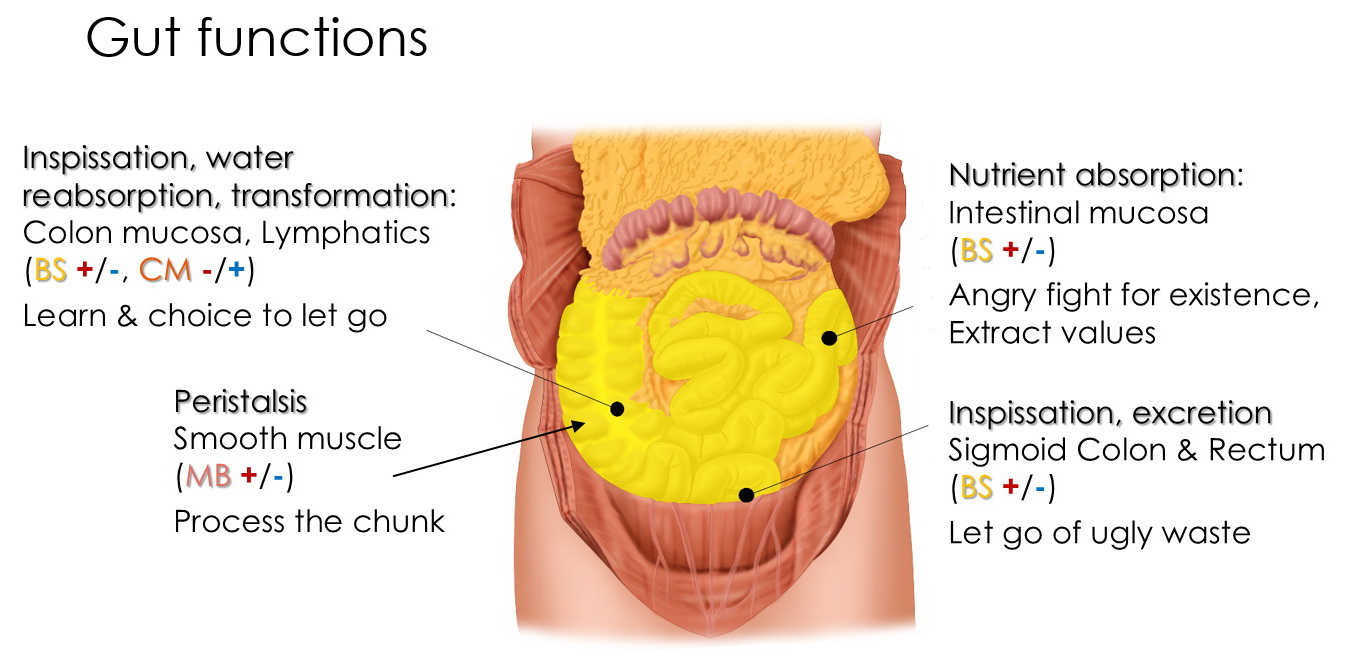
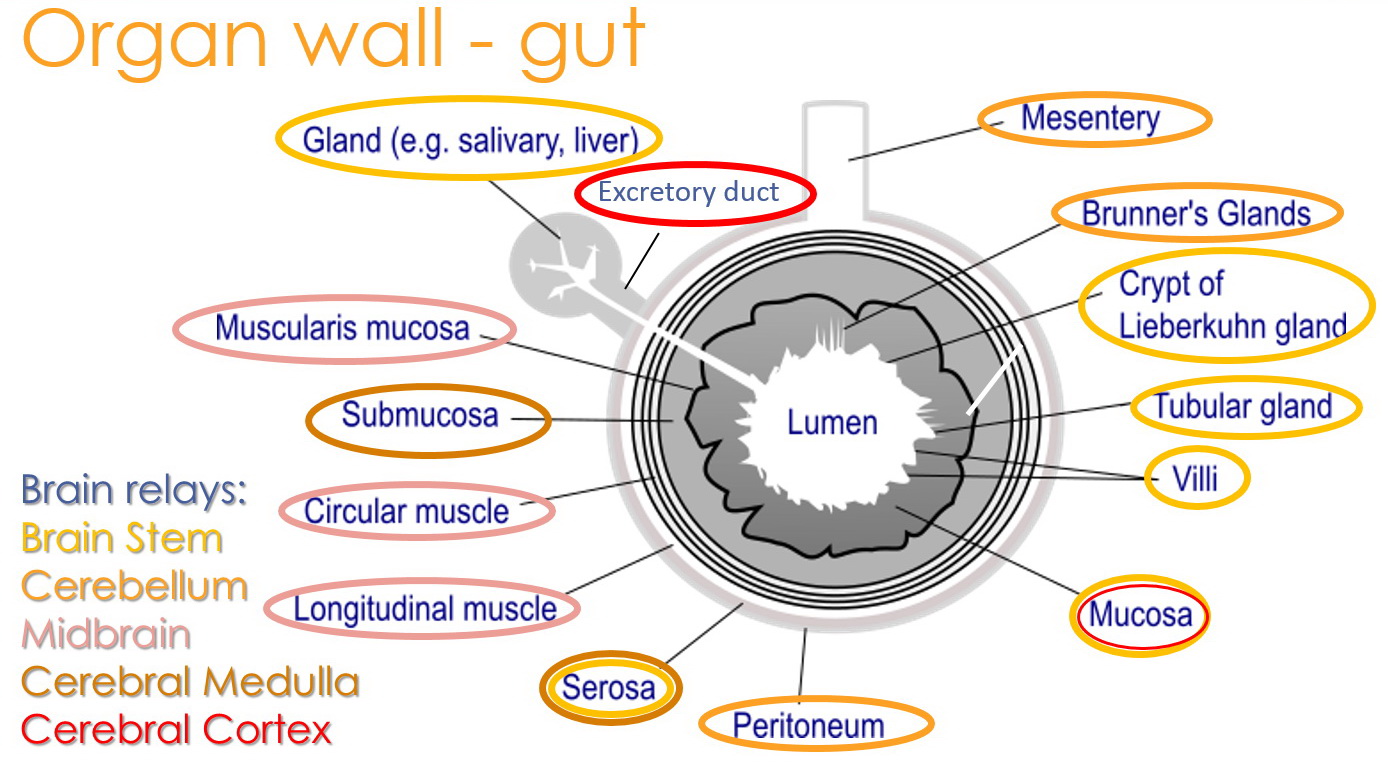
The small intestine belongs to the digestive system.The jejunum lies between the duodenum and the ileum. The jejunum and the ileum are suspended by mesentery which gives the bowel great mobility within the abdomen. It also contains circular and longitudinal smooth muscle which helps to move food along by a process known as peristalsis. The lining of the jejunum is specialized for the absorption, by enterocytes, of small nutrient particles which have been previously digested by enzymes in the duodenum. Once absorbed, nutrients (with the exception of fat, which goes to the lymph) pass from the enterocytes into the enterohepatic circulation and enter the liver via the hepatic portal vein, where the blood is processed.
The ileum follows the duodenum and jejunum and is separated from the cecum by the ileocecal valve (ICV). The function of the ileum is mainly to absorb vitamin B12 and bile salts and whatever products of digestion that were not absorbed by the jejunum. The wall itself is made up of folds, each of which has many tiny finger-like projections and therefore the ileum has an extremely large surface area both for the adsorption (attachment) of enzyme molecules and for the absorption of products of digestion. Cells in the lining of the ileum secrete the protease and carbohydrase enzymes responsible for the final stages of protein and carbohydrate digestion into the lumen of the intestine.
The villi contain large numbers of capillaries that take the amino acids and glucose produced by digestion to the hepatic portal vein and the liver. Lacteals are small lymph vessels, and are present in villi. They absorb fatty acid and glycerol, the products of fat digestion. Layers of circular and longitudinal smooth muscle enable the digested food to be pushed along the ileum by waves of muscle contractions called peristalsis. The undigested food (waste and water) are sent to the colon.
Especially in the ileum (as well as in the appendix), we find Peyer´s plaques, aggregations of lymph follicles with the function to guard the integrity of the organism by spreading recognition and immune responses to toxic substances, and controlling the work of microbes in regeneration phases.
Brain
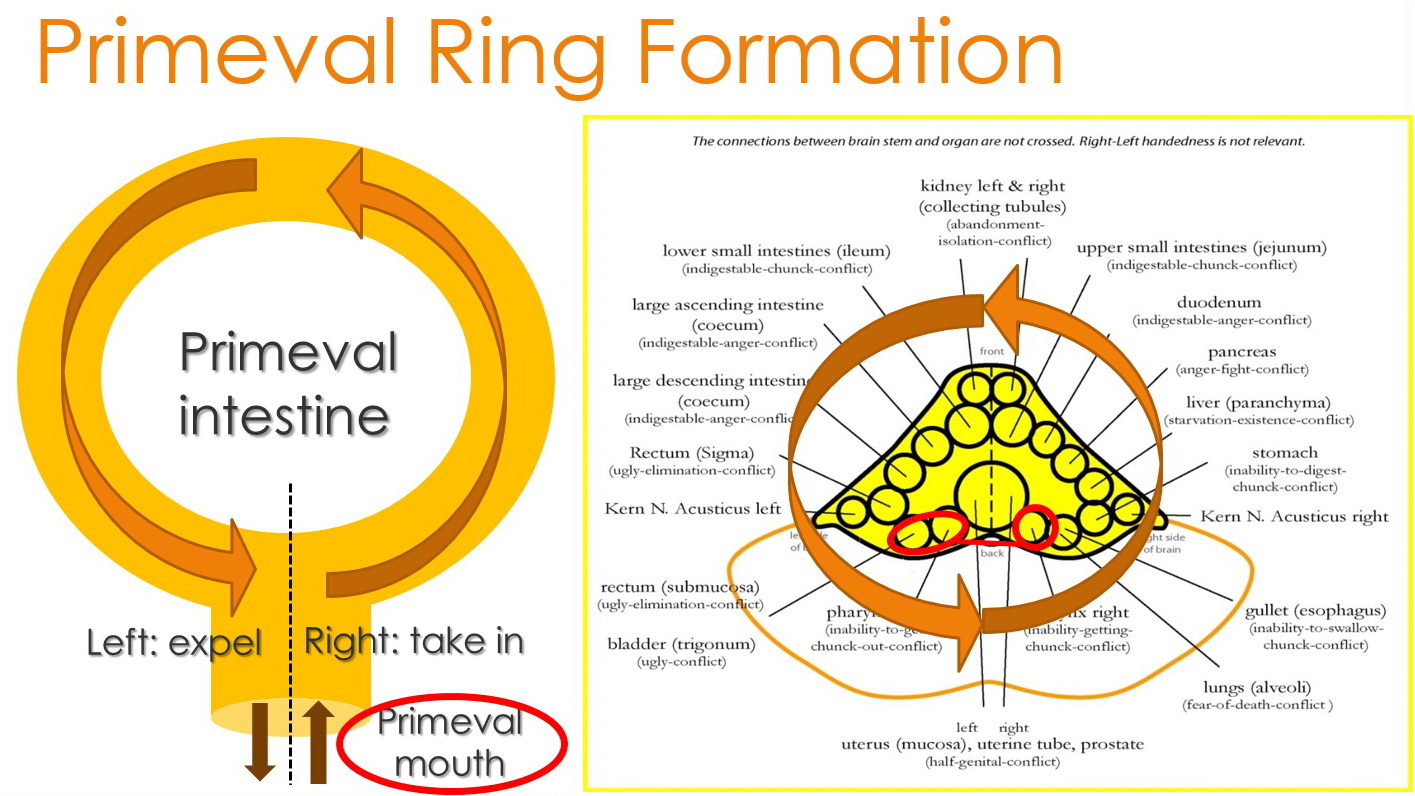
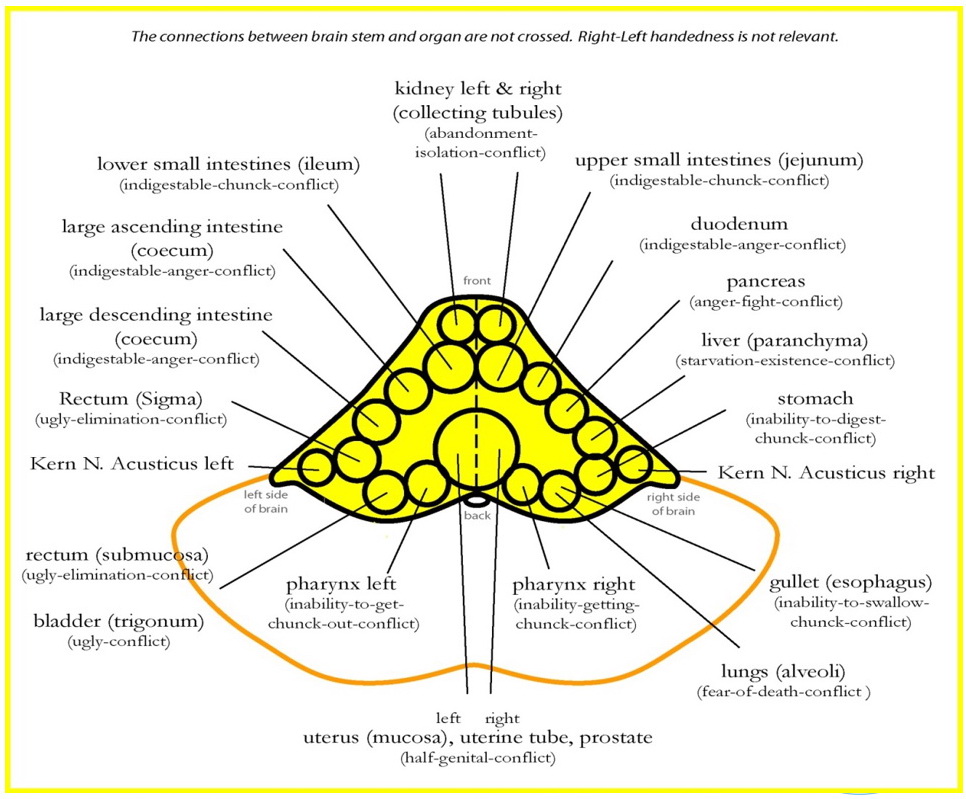
In the Brain Stem, the primeval ring structure is reflected: organ tissue relays with assimilative and digestive functions from oesophagus to small intestines are situated in the right brain stem, while excretory organs from caecum to rectum are relayed in the left brain stem. Medial on both sides are the relays of mouth/pharynx, middle ears and lacrimal glands, as well as the pineal and pituitary glands and the thyroid.
Relay:
1. Brain Stem (+/-) fronto-medial, for mucosa
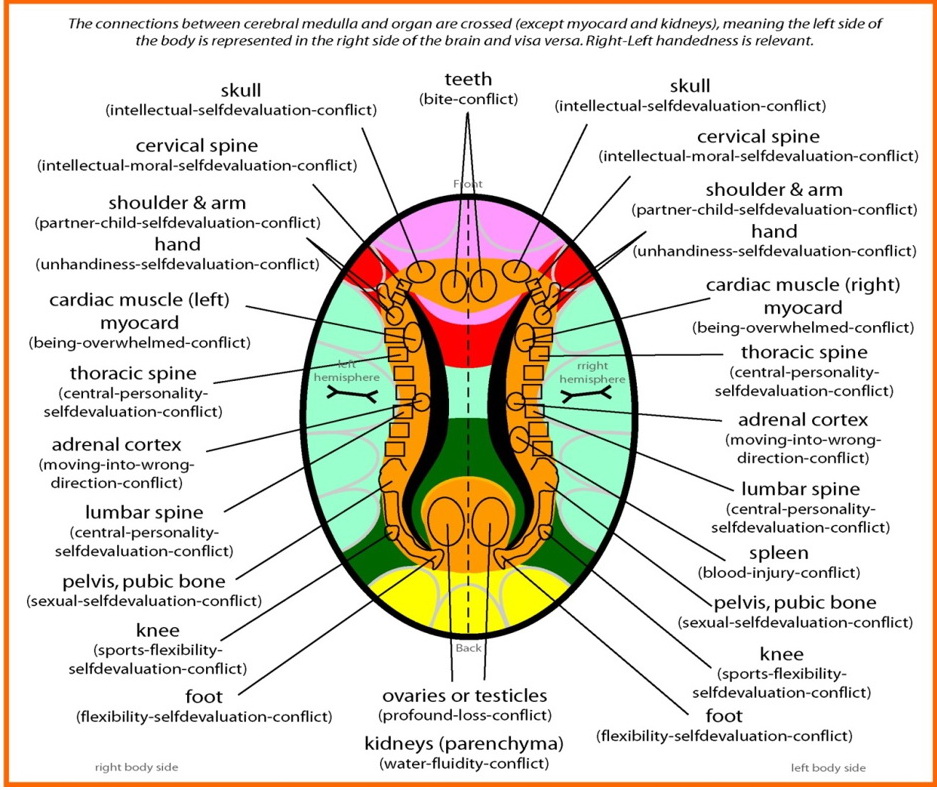
2. Cerebral Medulla (-/+) “lumbar area”, for submucosa layer & lymphatic tissue
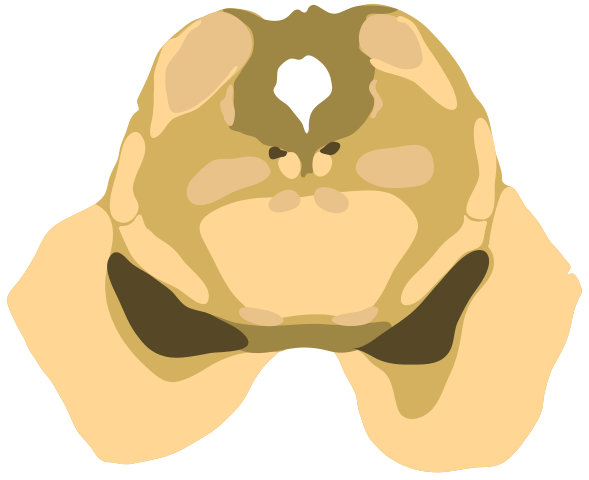
3. Midbrain (+/-) for smooth muscle
Mind
Theme:
1. Digestion, absorption, filtering
2. Self-worth regarding identity, extraction of important information & values
Side dominance is irrelevant here.
Emotions and Thoughts:
Often connected with ugly situations, survival and anger situation between close relationships.
- I couldn’t digest that.
- It was horrible!
- I can´t squeeze a meaning out of it.
- I need to get more out of that!
META-Meaning:
- I take my time to digest and process this.
- I can take what I need and leave or pass on the other.
- I will now simplify things.
Organ
Stress Phase Symptoms:
Functional increase, later a cell proliferation and thickening of the intestinal wall which can be diagnosed as a small intestine cancer (Adenocarcinoma) or small intestine polyps, which may result in bowel obstruction (Ileus). The tumor growth may be a compact tumor of secretory nature or a flat-growing adenocarcinoma with reabsorption properties.
Regeneration Phase Symptoms:
Function normalisation and stop of tumor growth. Excess tissue will then be decomposed in presence of fungi (candida, aspergillus, mucor) or mycobacteria (tubercle), which shows in nightly sweating and elevated temperature. Diarrhea or vomiting are typical symptoms. Typical black “tar stools” consist of coagulated, “digested” blood. The tumor may also encapsulate.
Expelling bloody mucus with plaques from the ileum is diagnosed as Morbus Crohn, especially when symptoms are chronic.
In long or recurring processes, as well as in acute phases, nutrient deficiencies can develop.
Food intolerances like coeliac disease or lactose intolerance refer to reduced enzyme production due to chronic processes or a conditioned warning signal mechanism.
Healing Peak:
Condition during several hours showing stronger bleeding, bowel spasms, colics and chills due to involvement of intestinal muscles.
Biological Meaning:
By cell proliferation and functional improvement, the chyme can be easily digested and absorbed in order to gain more nutrients.
Social
Examples:
- A successful business man has a really hard time after retirement. Over months he could not let go of the old “good” times and could not digest this situation which made him really upset and sad at the same time.
- The client felt cheated in a family issue. She understands the cause but can’t let go of her resentment. She is diagnosed with Morbus Crohn.
- A girl was left on her own when needing near contact to her mother most. It also lived on convenience food, and developed chronic bloating and diarrhea. When she later lacks resources in school, she is diagnosed with ADD and lactose intolerance.
Additional Information
A mesentery infarction shows obstruction of blood vessels supplying the intestine. This can happen in regeneration phases especially of those vessels: conflict theme being self-devaluation regarding digestion. The infarction comes with strong abdominal pain, and it leads to necroses of the intestine wall.
Constellations:
Brain Stem Constellation possible: perplexity, lethargy, passiveness, reduced movement. Purpose: new orientation
Differential Diagnosis:
Submucosa/ lymphatic tissue (Cerebral Medulla -/+) stress (choice, decision): immune insufficiency, leaky gut; regeneration phase: Inflammatory and edematous in the first phase. Diagnoses may be lymphoma, inflammatory fibroid polyps, perineurioma and leiomyoma.
Smooth Muscle Layer (Midbrain +/-): smooth muscle often co-reacts with mucosa, theme being to forward the chyme by peristalsis. In stress phase (processing anger) we see a functional increase and possibly leiomyoma.
Greater Omentum (Cerebellum +/-), stress phase (protection of guts and self) possibly with adenoidal mesothelioma; regeneration phase: decomposition , possibly ascites.
Intestinal Lymphatic Tissue (Cerebral Medulla -/+) stress (choice, decision): immune insufficiency, leaky gut; regeneration phase: Inflammatory and edematous in the first phase. Diagnoses may be lymphoma, inflammatory fibroid polyps, perineurioma and leiomyoma.
