Epidermis
Anatomy
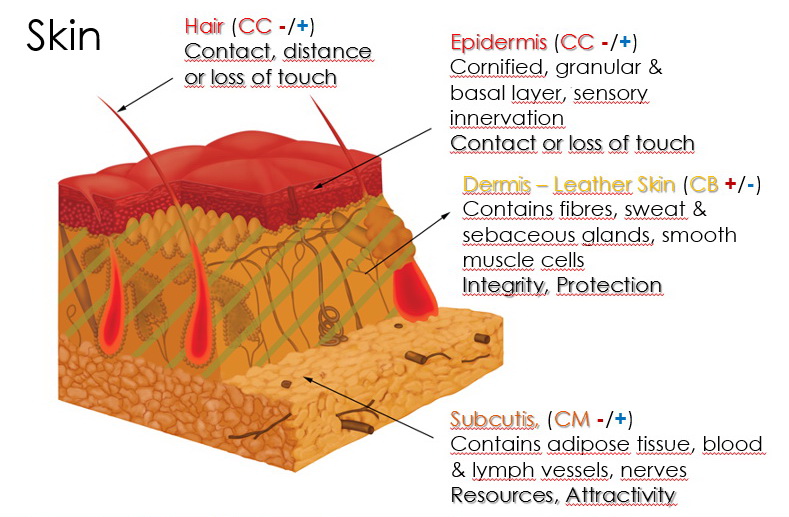
The epidermis is the outer layer of the skin, which together with the dermis forms the cutis. The epidermis consists of stratified squamous epithelium, composed of keratinocytes which proliferate in the basal layer, and cornify subsequently towards the surface. According to it’s strain, it is thinnest in the eyelids and thickest on the palms and footsoles.
The epidermis has no blood vessels, and is nourished by the dermis and by diffused oxygen from the surrounding air. It is sensory innervated and sensitive to touch, with varying amount of receptors depending on locality. The fingertips are especially sensitive. The epidermis is composed of 4 or 5 layers depending on the region of skin:
- the cornified layer composed of corneocytes surrounded by a protein envelope filled with water-retaining keratin proteins, attached together through corneodesmosomes and surrounded in the extracellular space by stacked layers of lipids. The skin sheds cornified flakes of tissue to exchange and renew.
>> function: protection, excretion of toxins - the granular layer where lipids contained into keratinocytes are released into the extracellular space to form a lipid barrier. Those polar lipids are then converted into non-polar lipids and arranged parallel to the cell surface.
>> function: creation of barrier - the spinous layer where keratinocytes become connected through desmosomes and produce lamellar bodies, free sterols, phospholipids and catabolic enzymes. Langerhans cells are present here, which have roles in immune reaction modulation.
>> function: creation and adjustment of barrier, tolerance, renewal - the basal/germinal layer is composed mainly of keratinocytes, attached to the basement membrane by hemidesmosomes. Melanocytes are present, as well as Merkel cells. These are closely associated with cutaneous nerves and are involved in light touch sensation.
>> function: input for recruitment of protective properties, support of protection (from light)
The epidermis is separated from the dermis, its underlying tissue, by a basement membrane.
{img fileID=”362″ thumb=”box”}
Graphic: wikipedia, authors Madhero88 and M.Komorniczak
The emotional theme concerns mainly the skin sensitivity and the evaluation of what was felt, which regulates the reactions of the outer skin.
Brain
Relay:
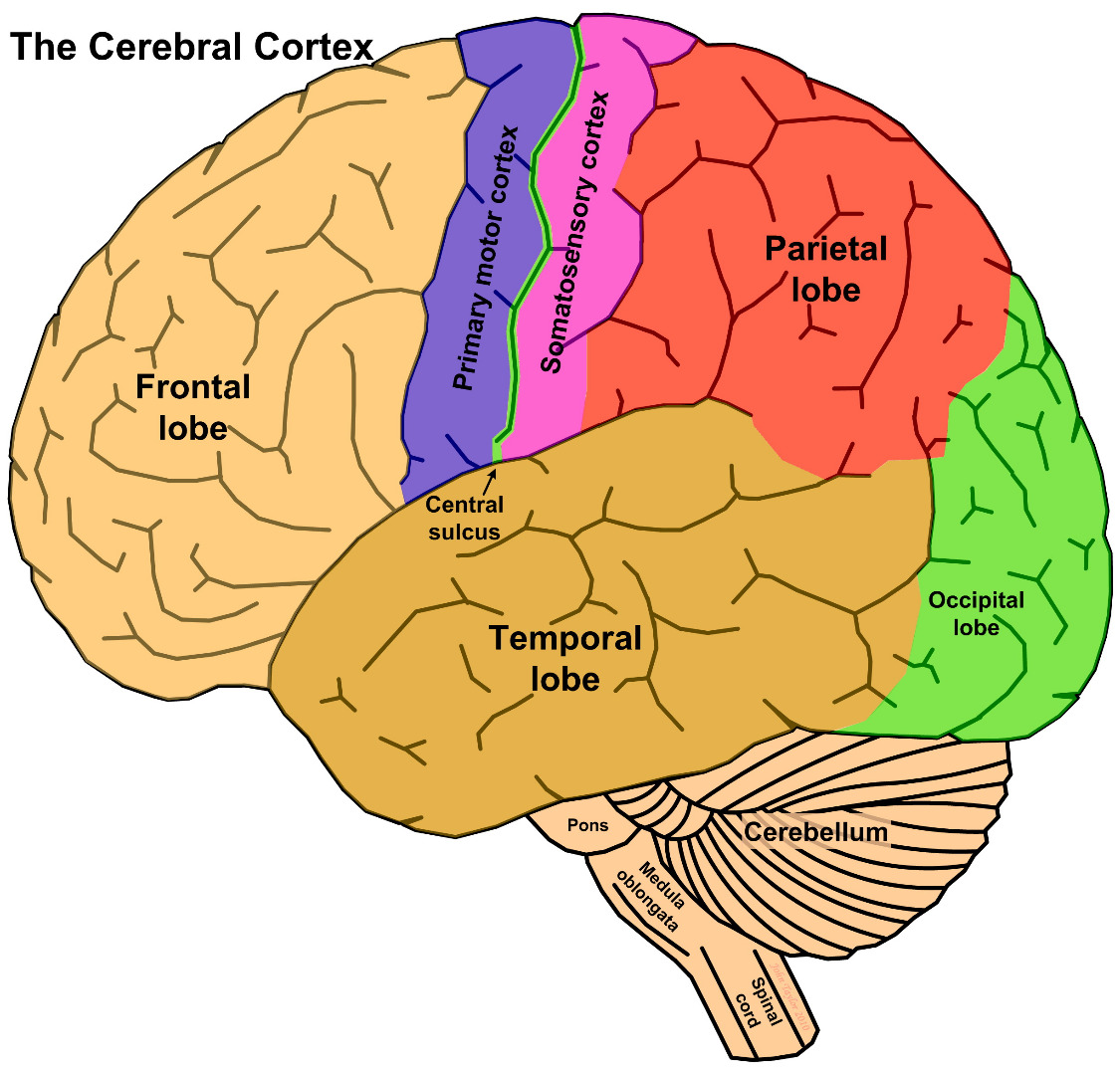
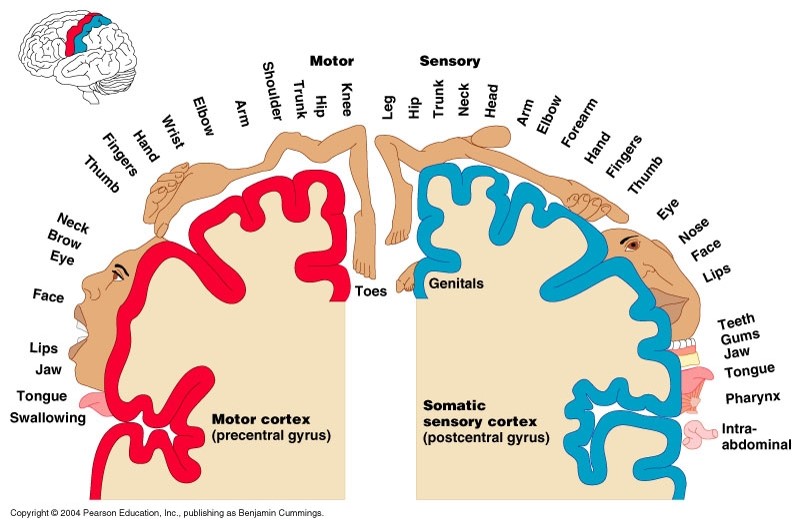
Cerebral Cortex ( – / + ) sensoy area
Mind
Theme:
1. Loss of Contact
2. Unwanted Contact
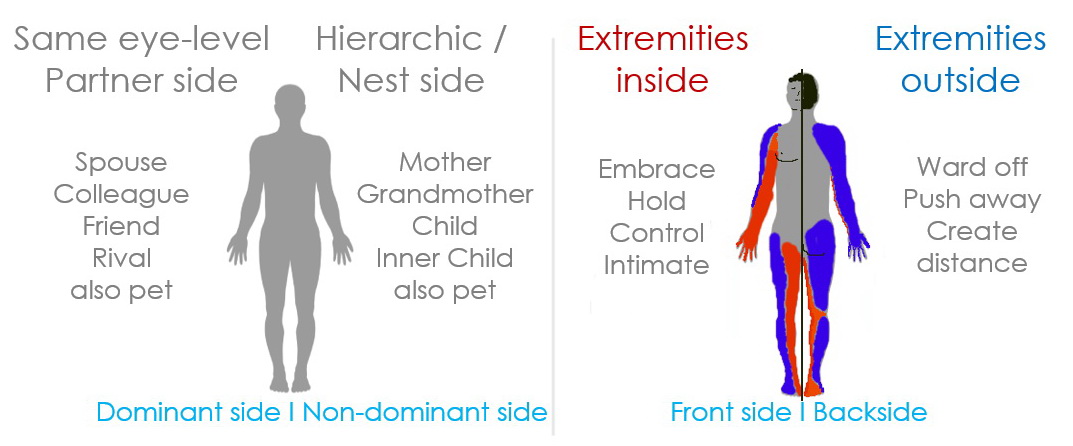
Locality and side dominance are relevant (see below: Body area associations)
Emotions and Thoughts:
1. Longing, suppressed anger
- How I miss the touch!
- I want to feel her closely.
- She left me!
2. Resistance - Don’t you touch me!
- I want to be left alone.
- I don´t want to feel this!
- This is yucky!
META-Meaning:
- I feel safe to be touched.
- I love to connect and touch others.
- I am emotionally independent and feel strong without them.
- I am provided with all the contact I need, and I can choose to whom and what I let contact happen.
- Now, I can play with contact and distance.
Organ
The sensitivity change in the epidermis (Outer Skin) with hypesthesia in stress phase and hyperesthesia in regeneration phase gave name to the pattern which applies even to many mucosae inside the body
Stress Phase Symptoms:
The skin feels dry, rough, pale and might be flaking off. Skin nutrition via the dermis and the environment is reduced. Skin sensitivity is reduced, numbness can occur.
Besides, memory loss can occur and in chronic patterns, accumulate.
Possible diagnoses: Scaling or atopic neurodermatitis
Depigmentation (Vitiligo) can occur if the basal layer is affected by separation experienced as brutal and unfair.
In a melanoma, the basal layer containing melanocytes for pigment production reacts in the sense of the dermis in a vulnerability conflict.
Regeneration Phase Symptoms:
Hypersensitivity and inflammation. The skin becomes hot, red, swollen and painful (burning pain), or itching. Common diagnoses are an exanthema, dermatitis, urticaria, flourishing neurodermitis or eczema. Viral infections like measles, chicken pocks, herpes can occur.
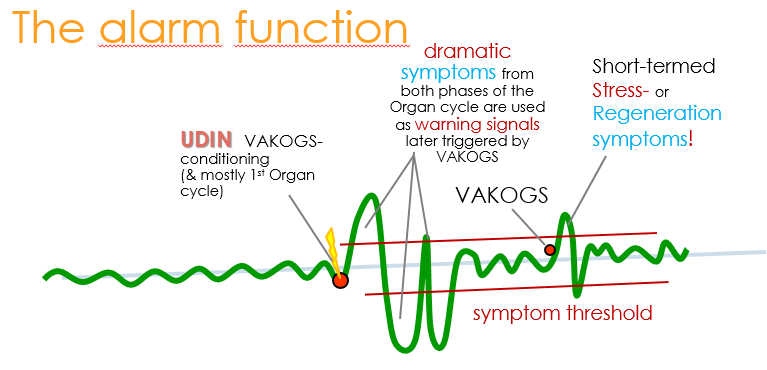
Itching as in urticaria is an allergic histamine reaction. Histamin is a substance of the body’s alarm system. These spontaneous reactions show the connection of a triggering substance to a former UDIN concerning contact.
In case of a combined process of epidermis and dermis with fungal infection, the skin has a red base and itches.
Warts (plantar, genital, water or filiform warts (eyes) develop in chronic processes or prolonged regeneration as excess cornifications.
Healing Peak:
Short memory loss or absence/passing out
Body Area Associations:
- Back: Wanting to get rid of something.
- Cheeks: Wanting to touch someone with the cheeks
- Conjunctiva: Visual separation; having lost contact with someone, being afraid of not being able to keep in touch with someone (look for visual submodalities)
- Ears: Loss of touch with auditory trigger (sound or voice)
- Eyelids: Visual loss-of-touch or separation (not seeing someone). Being afraid that someone will disappear (go away).
- Feet: Not being able to remove something, wanting to push away, shoot away or kick away something.
- Fore knee or outer knee: Wanting to get rid of someone or to push away someone
- Hands: Not being skilled enough to touch someone or something.
- Head: Separation related to head (missing to be touched)
- Inner elbow: Wanting to hold someone (in the arms)
- Knee pit: Wanting to hold someone tight.
- Lower leg: Wanting to remove or to hold something with the lower legs.
- Mouth/Lips: Touch related with mouth or lips (wanting or not being able to kiss someone; does not want to kiss someone but has to do it; wanting to remove something disgusting from mouth or lips like a dirty glass; not being able to pronounce something; not daring to say something)
- Neck: Separation related to the neck (violin which was positioned exactly between shoulder and neck was lost; partner who kissed neck all the time separated)
- Outer elbow: Wanting to get rid of someone or to push someone away.
- Scrotum: Separation related to the scrotum (often sexual connection).
- Sole: Not grounded, or wanting to feel something with the feet on the ground or in the shoes.
- Vagina (labia majora): Related to sexual touch (genital herpes after an unwanted sexual intercourse; not wanting to have sex with an abusive man)
- Whole body: Total loss-of-touch experience.
Biological Meaning:
By reduced sensitivity and memory loss in stress phase, the longing or resistance are relieved.
Social
Examples:
- A four year old child suffers from the separation of her parents and loss of touch from her father. Whenever she visits him, her skin flares up with neurodermatitis.
- The client got white spots on her legs after moving to a foreign land.
- A man who left his family and roots behind, develops plantar warts. (Odum)
- An elderly lady gets thin hair and pergament-like skin after the death of her husband. Her memory decreases as well.
- A young man gets herpes on his lip when he thinks of drinking from a bottle that the colleagues let go round.
- A fisherman developed psoriasis on head, lower back, lower legs and hands, after his retirement. These areas were connected to typical touch (by clothing, sweat) when working on the boat. (Klapp)
- A young man gets painful shingles (herpes zoster) after reuniting with his partner in a “love-hate” relationship. (Klapp)
Additional Information
Typical chronic process fluctuate between stress phase (with cold rough and pale skin and less sensitivity) and regeneration phase (hot, red, inflamed and swollen skin with hypersensitivity).
In skin issues subtle stress triggers (auditory, visual or kinesthetic submodalities) often keep the healing process chronic.
Naevus, mole
In melanoma and moles, the pigment building cells of the basal layer react in the sense of the dermis (CB +/-) for enhanced protection (dark=protected)
Psoriasis
In psoriasis, several separation/loss-of-touch stress triggers and organ processes are in different phases at the same time. The typical skin symptom is a desquamation on a red base.
Shingles
Shingles (when virus are involved) appear in the regeneration phase of a separation conflict, otherwise also in the regeneration phase of a defilement conflict of the dermis, underlying and affecting the epidermis.
Chicken pox (with Herpes Zoster Virus or Herpes Virus)
Shows symptoms of fever and itchy vesicular skin rashes and appear in the regeneration phase of separation.
Rubella, measles
Rubella, measles (with red spots on skin, fever and mucosa swelling) The location of the affection or warts point at the perceived separation theme, as wanting to be touched or not touched in that place.
Hives (urticaria)
May appear in case of a simultaneous kidney collecting tube syndrome, as there is a stronger swelling, resulting in the development of skin vesicles.
Constellations:
Sensory Constellation by bothsided conflicts leads to sensory hallucinations (feeling contact or things that are not real).
Compulsive Cleaning (together with Pancreas/Langerhans Alpha Cells): compulsive handwashing, extreme hygiene and fear of dirt and bacteria.
Dementia
Long-ongoing chronic stress trigger reactions may develop into Alzheimer’s disease or dementia.
Differential Diagnosis:
Skin – Dermis (CB +/-) Increased activity of sweat and sebaceous glands, possibly tissue reinforcement with or without pigmentation in stress phase (vulnerability), degradation with pus in regeneration phase.
Sensory Nerves(CC -/+) Numbness in stress phase (not wanting/being allowed to feel), hypersensitivity and paresthesia in regeneration phase (often but not necessarily connected to Epidermis.
Subcutaneous fatty tissue (CM -/+) Stress (resourcelessness): necroses, fibre ruptures, striae; Regeneration phase: water deposition, excessive repair, keloid
Nerves – Myelin sheath (CB +/-): Stress (fear of pain): neurofibroma growing through several skin layers
Periosteum (CC-/+): Stress (infliction of pain): pale, cold area (often finges or toes) by vasoconstriction of local capillaries
The skin and it’s supply is influenced by hormones.