Vagina
Anatomy
The vagina is a fibro-muscular tubular tract leading from the uterus to the exterior of the body in females and allows coition and giving birth.
It’s wall consists of connective tissue and smooth muscle, and has an inner lining of squamous epithelium. The vagina walls form folds (rugae vaginales) that increase sensitive arousal in intercourse and provide the vagina with increased surface area for extension and stretching.
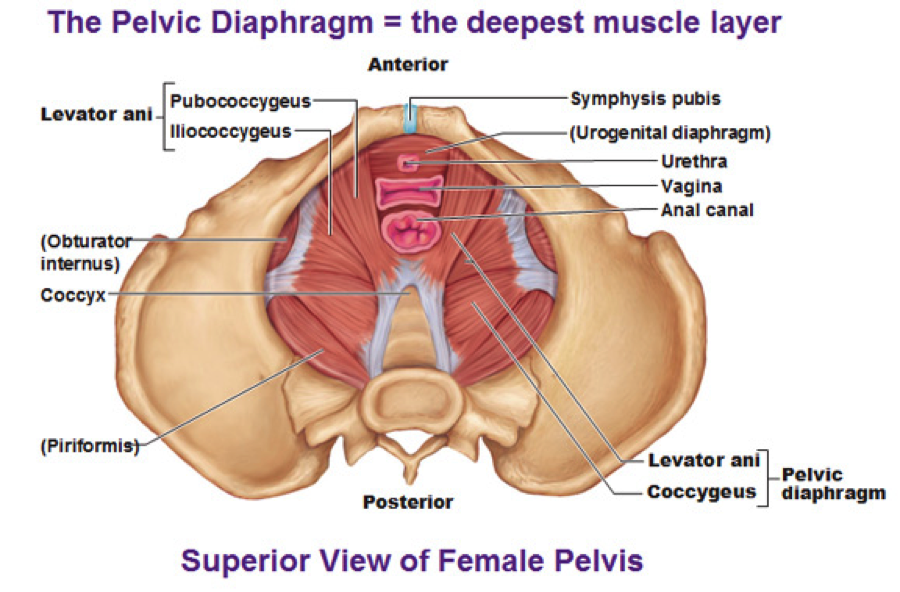
The vagina is also encompassed by striated pelvic floor muscles (M. pubococcygeus, PC-muscle) that allows voluntary narrowing. The following neck of the uterus is bent by a 90° angle and cannot be reached by the penis.
Correction: there is no striated muscle in the cervix, but the wall consists of connective tissue (governed by the cerebral medulla) with longitudinal smooth muscle fibres.
Brain
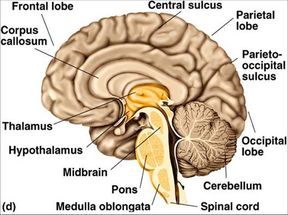
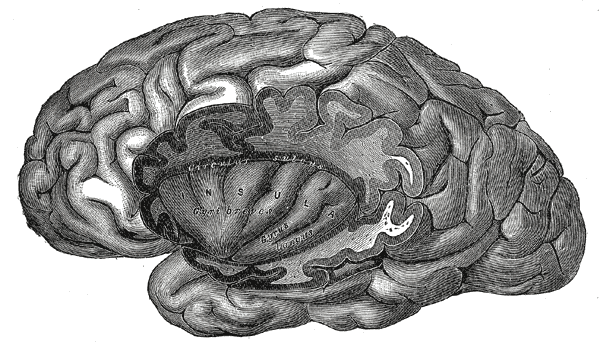
graphic: wikipedia, Henry Gray
Relay:
1. Cerebral Cortex ( – / + ) insular region mediolateral left, for mucosa and sexual arousal
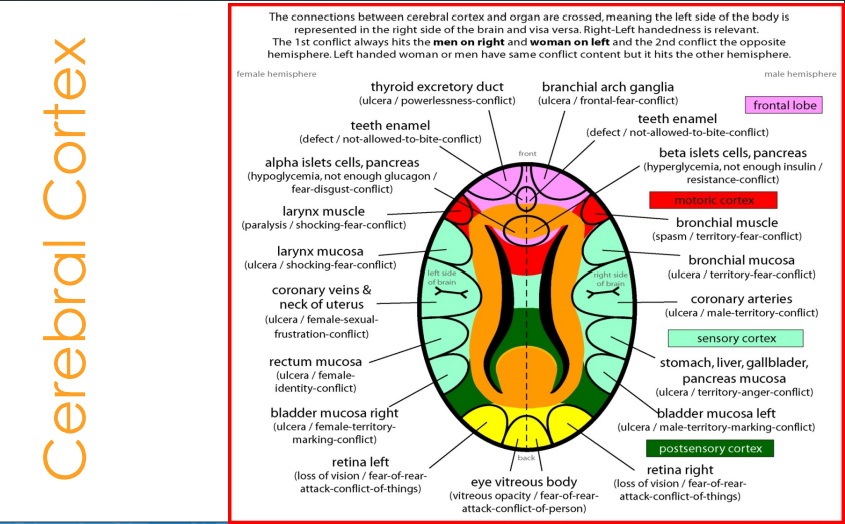
2. Midbrain ( + / – ) central, for smooth muscle
compare Brain Stem:
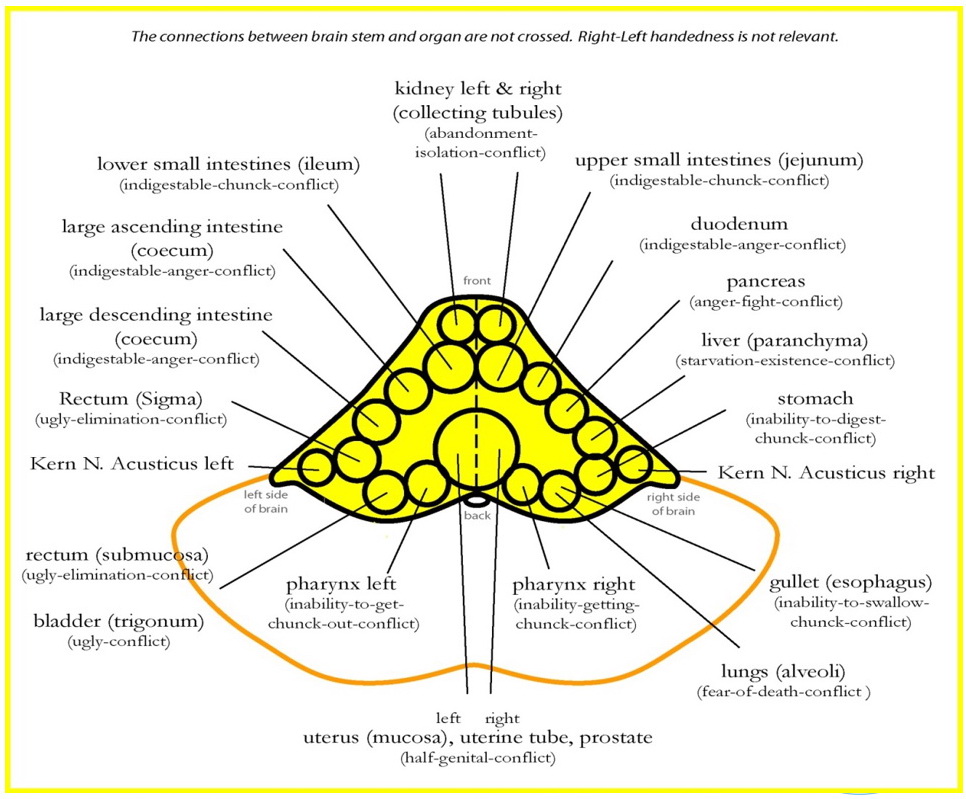
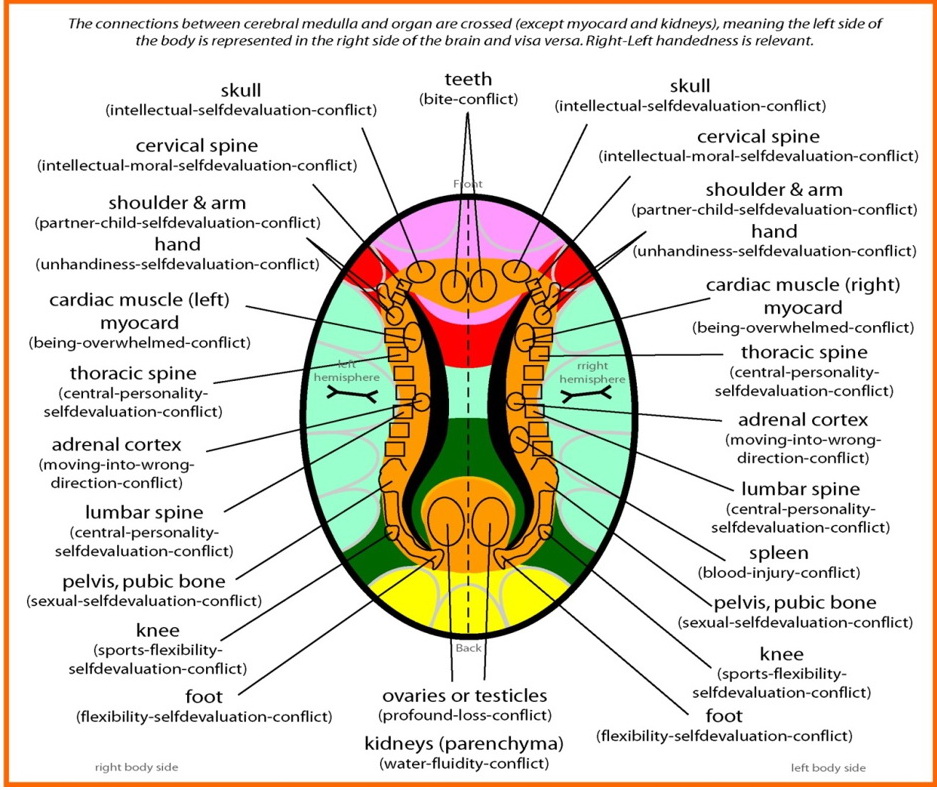
3. Cerebral Medulla ( – / + ) medial left & right “pelvic area”, for connective tissue and pelvic floor muscles
Mind
Theme:
Sexual Conflict, Loss of Love, Loss of status
Emotions, Thoughts:
Jealousy, shame, self-abandonment
- Why doesn’t he want me?
- Why doesn’t he love me anymore?
- I am violated!
- Why can’t we make love?
- I need to hold him!
META-Meaning:
- My expression of love and self-love is attracting the perfect partner and social surroundings for me.
- I can choose the right partner.
- I am loving and being loved.
Organ
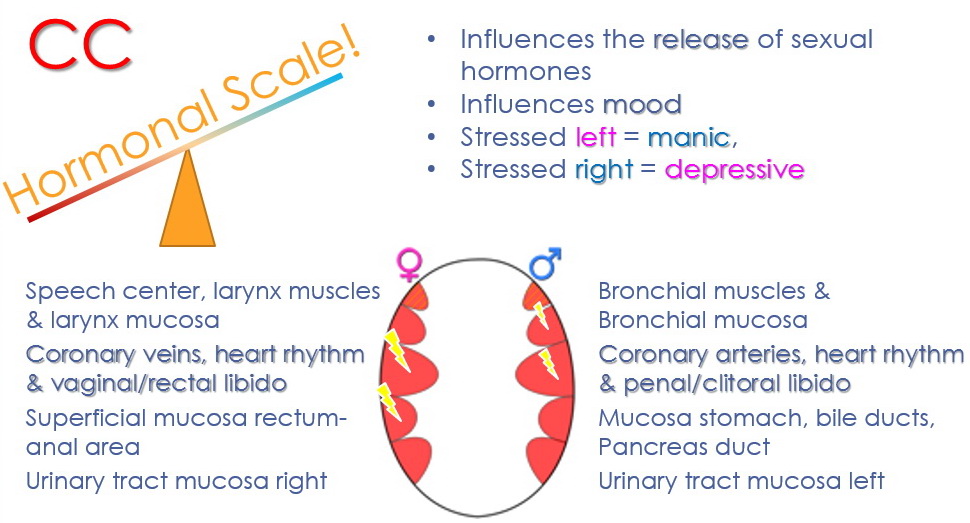
The vaginal libido reacts analogue with the coronary veins and heart rhythm centre. Conflict impact can lead to reduced oestrogen release and to manic states.
Sensitivity change according to Outer Skin/Epidermis Pattern (OS) with hyperesthesia in the regeneration phase.
Stress Phase Symptoms:
Stress phase is characterized by cell atrophy and painless vaginal ulceration.
Reduction of oestrogen release can lead to menstrual irregularities (dysmenorrhoe, amenorrhoe), virilization and infertility, as well as to manic episodes.The vaginal libido is inhibited (frigidity).
Simultaneously, tachycardia and angina pectoris can appear when coronary veins are affected.
Regeneration Phase A:
Inflammatory repair and proliferation of the tissue, often accompanied by viral infection (herpes) and bacteria (gonococci, enterococci, staphylococci, streptococci und chlamydia). Bleedings and pain occur. Possible diagnoses: Colpitis, Ulcus molle, Gonorrhoe. Due to heightened oestrogen levels, depressive states are possible.
If the repair is excessive, a squamous cell carcinoma or papilloma can be diagnosed.
Healing Peak:
Vaginal spasms and short unconsciousness/absence. Heart symptoms as tachycardia and angina pectoris are possible.
Regeneration Phase B:
After the healing peak the vaginal pain and the spasms recede but there are bleedings from the vaginal ulcer with a serous vaginal discharge. The hyperesthesia remains and vaginal itching can appear.
Biological Meaning:
In stress phase, the vaginal wall is expanded or narrowed according to the perceived emotion, for to facilitate or avoid penetration.
Social
Examples
- A woman lost her female identity and sexual arousal after doctors’ touches of her intimate region in early childhood.
- A young girl whose mother had been sexually abused in childhood, suffers pain in her vagina. She is helped with EFT by her mother. After the mother has transformed her own experience and the girl is taught to meet the symptoms with calm and to tap herself, the pain recedes.
- An er which shelady loses her beloved husband, after which she develops a vaginal carcinoma. Family quarrels make healing circumstances less than optimal.
Additional Information
In case of vaginism, pelvic floor striated muscles are suddenly tensed around the vagina. This can be due to a Healing Peak or to stress triggers about penetration.
The superficial mucosa and sensitivity of the vagina are related to the complex female sexual brain relay around the cortical insula, containing the coronary veins, the fast cardiac rhythm, and the mucosa of cervix and portio. Special rules apply for the meaning of side dominance. Conflicts affect the sexual and social “hormonal scale” and can promote manic or depressive episodes (see “territorial constellations” related to the function of the neurohypophysis).
Constellations:
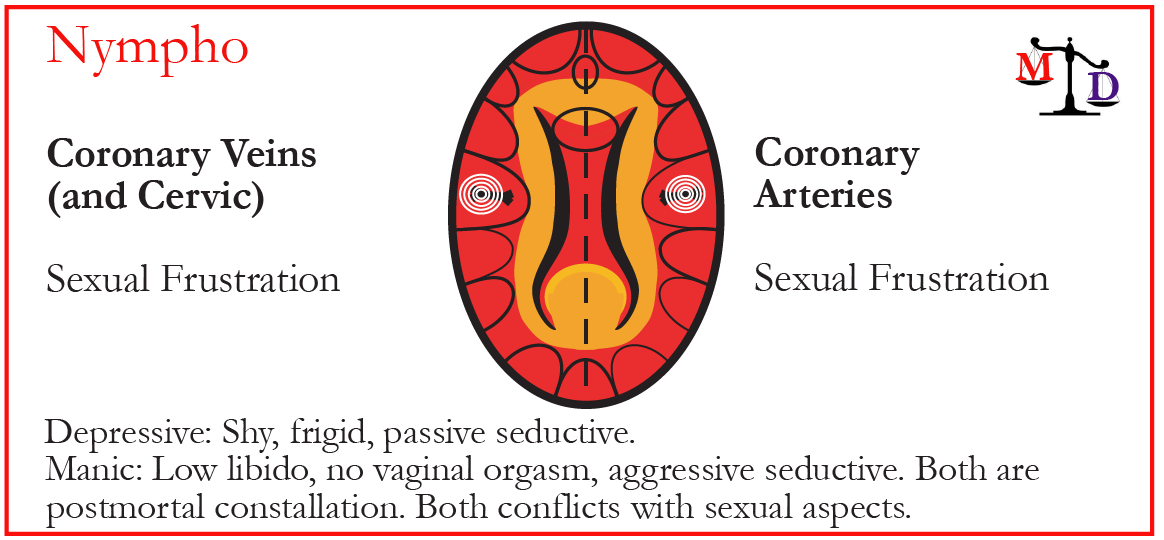
Nymphomania: together with Coronary Arteries relay, if both conflicts had a sexual theme. Flirting and constant attraction of transitory lovers. Frigidity and often reduced fertility.Positive: Unconditional love.
Charisma Megalomania: Pelvic floor and sphincter muscles with affected relays in both hemispheres create megalomania about sexual attractivity and sexual rank, with no inhibition of libido. This constellation can also happen in combination with Nymphomania.
Differential Diagnosis:
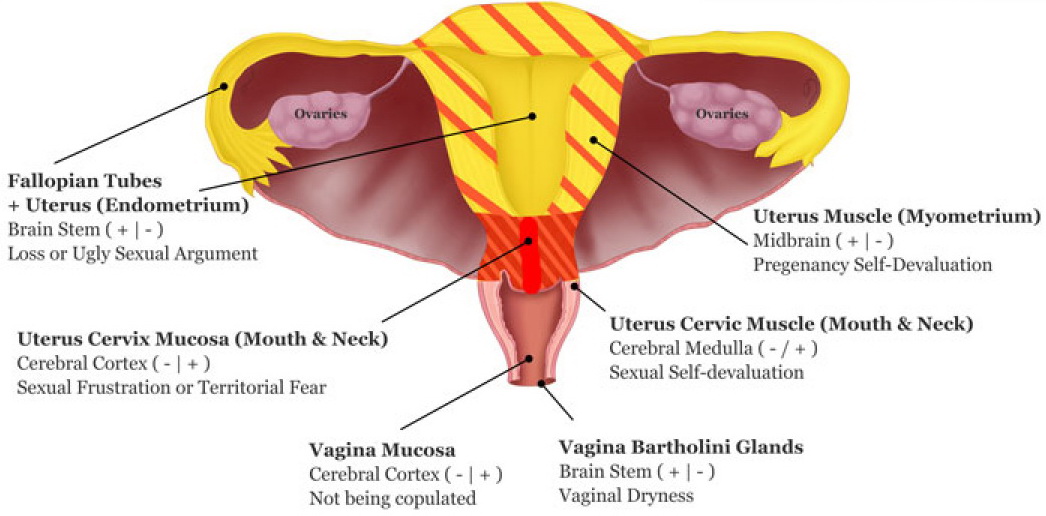
Epidermis of the vulva (Cerebral Cortex, +/-) stress phase (sexual contact): hypesthesia, atrophy; regeneration phase: vulvitis, eczema, herpes or HPV infection, genital warts.
Vagina – Bartholin's glands (Brain Stem, +/-): enhanced secretion in stress phase (protection & lubrication of the vagina), underfunction with dryness in the beginning of regeneration phase.
Uterus – Cervix and Mouth (Cerebral Cortex, -/+): widening and ulceration in stress phase (loss of love/status), exceeding replenishment (cervical cancer) in regeneration phase.
Otherterritorial relay constellations can also lead to hormonal imbalance, manic-depressive behaviour and different personality changes.