Brain
Anatomy
The human brain is considered the superior steering system of the organism. It is situated in the skull, is surrounded by protecting and nourishing skins meninges), and consists of nervous and glia cells connective tissue) composed in various structures and layers.
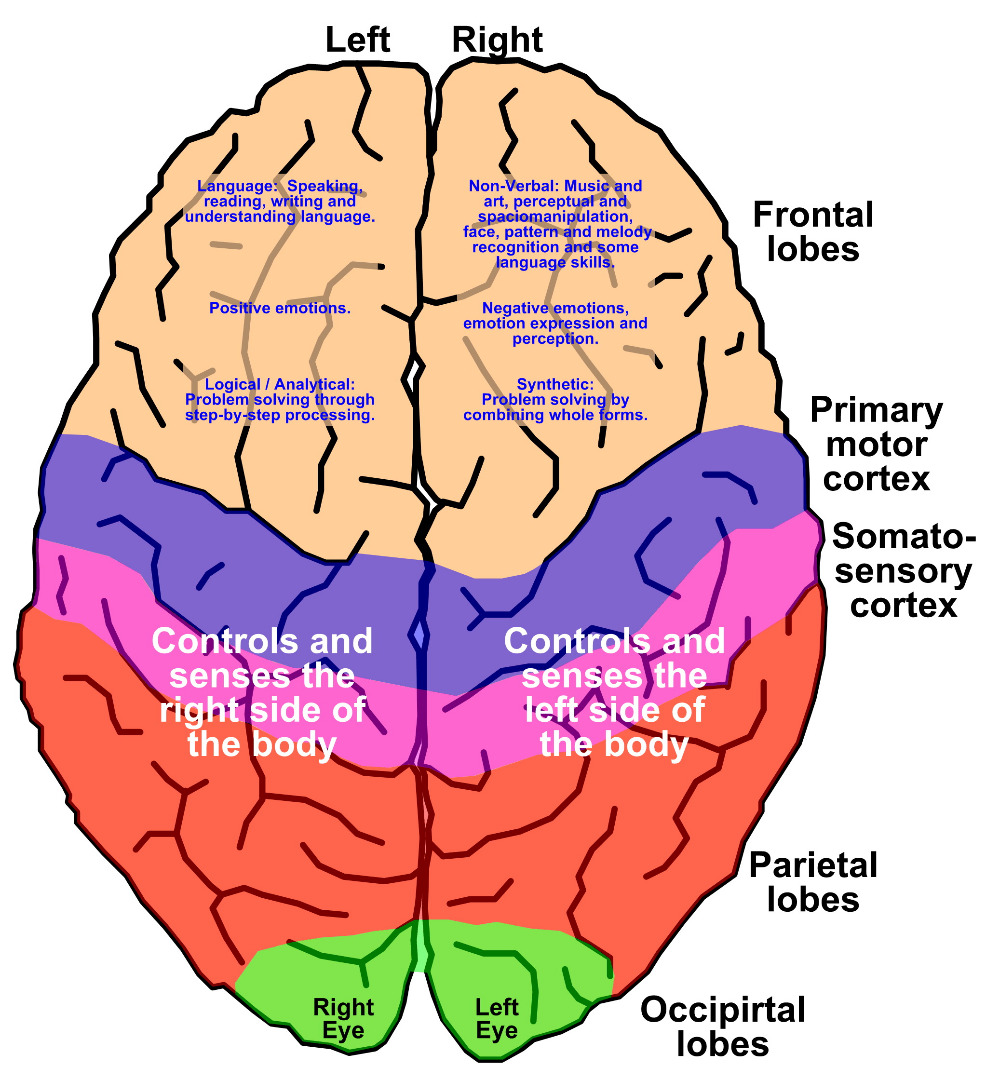
The brain is divided into 2 hemispheres joined together in the corpus callosum. The hemispheres communicate and collaborate through synapses, but yet each one prioritizes certain functions and ways of processing: in the left hemisphere, the activity in structurized and focused perception and deduction can be perceived, while the right hemisphere works in a way more expanding and connecting by association.
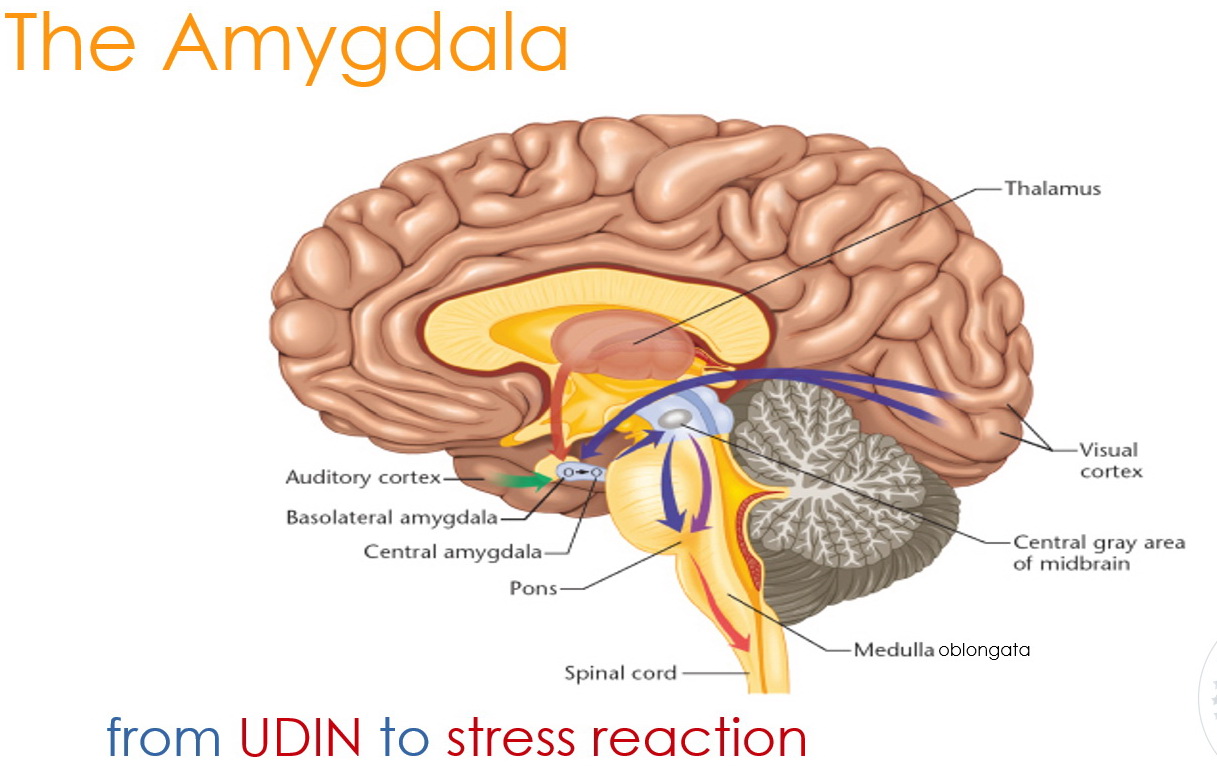
The limbic system, the “emotional power center” situated in the middle of the brain, consists of structures from the brain stem and the cerebral cortex, like the hippocampus, the gyrus cinguli and the amygdalae.
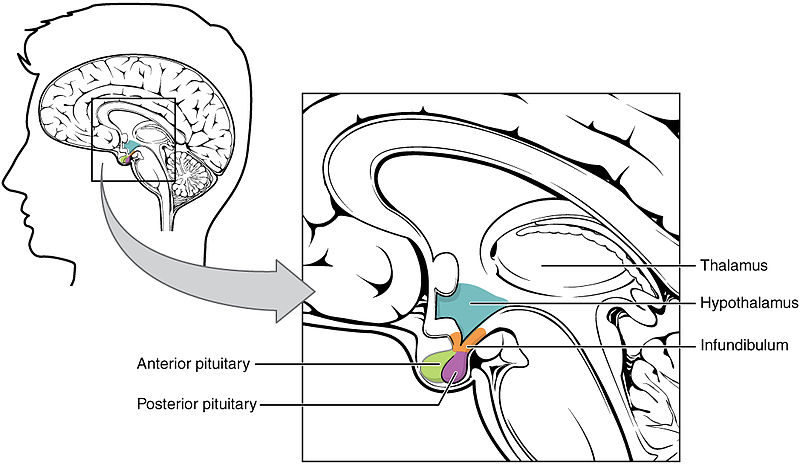
The hypothalamus represents the bridge between the nervous and hormonal systems. It effects the release of activating or inhibiting hormones (liberins and statins) from the pituitary gland.
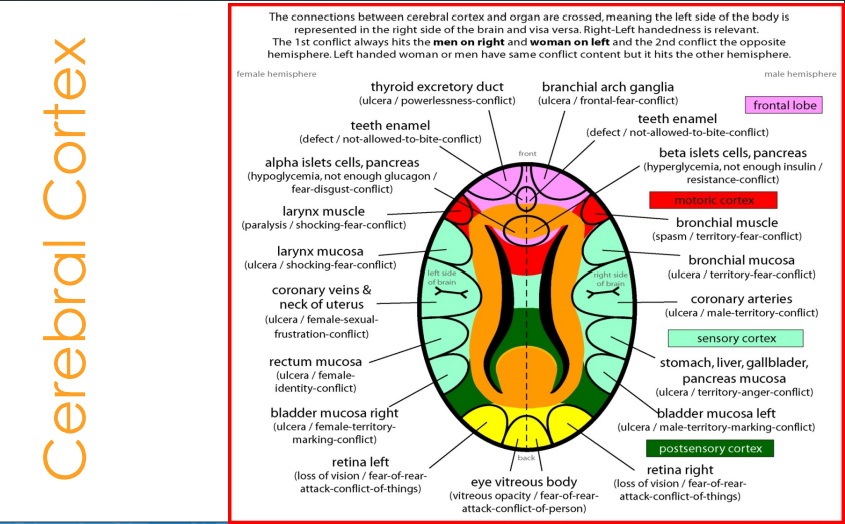
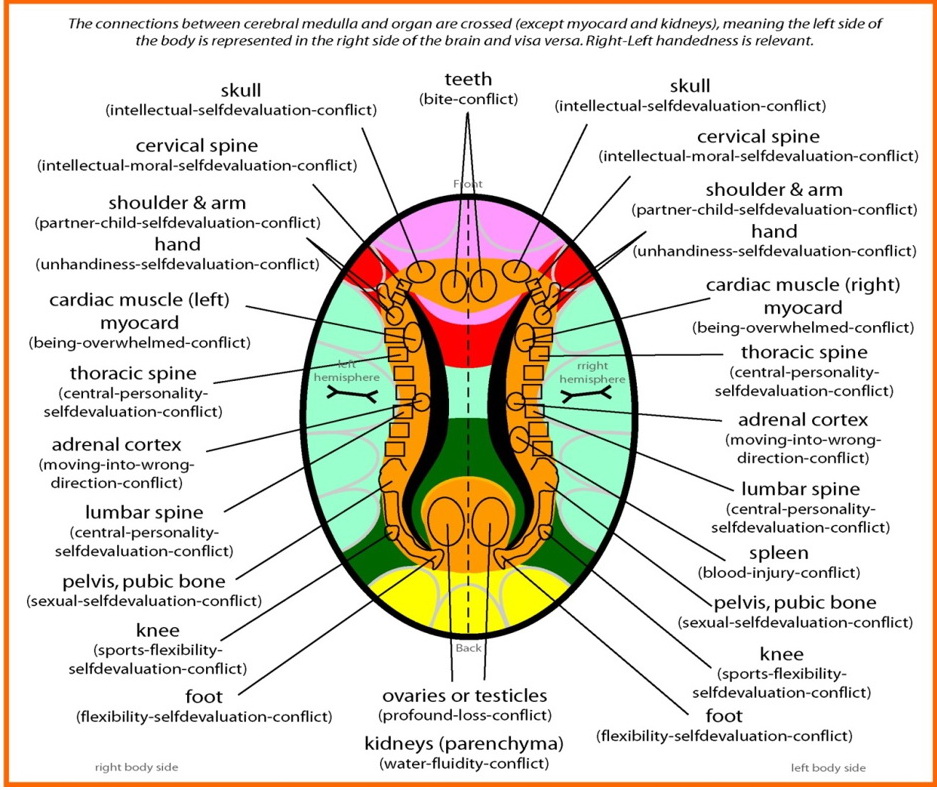
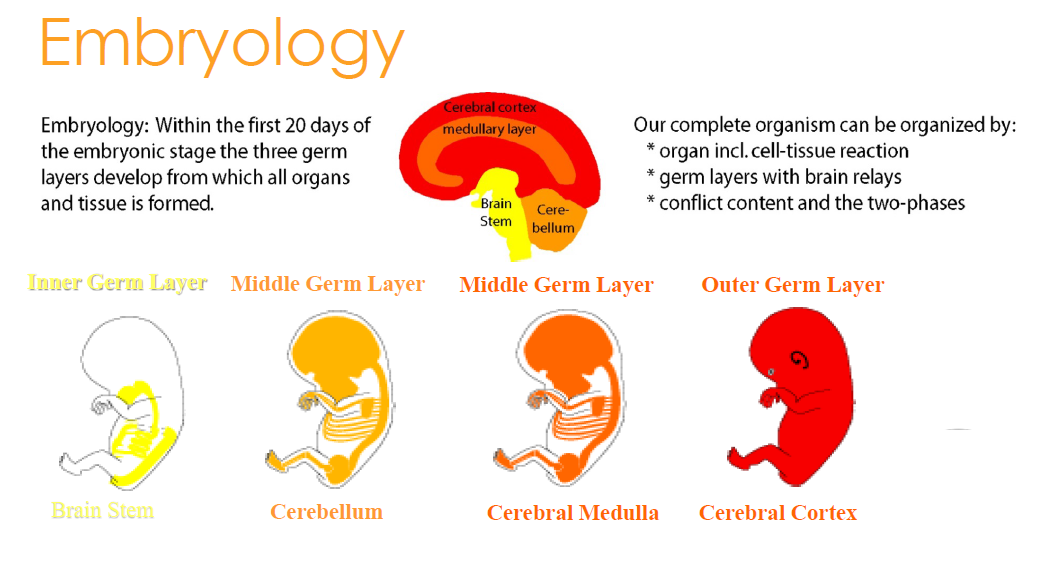
For the brain-organ-social connection, we divide the brain into 4 main layers that also represent the germ layers from which all organ tissues derive:
video showing brain activity by Rajna Z, Kananen J, Keskinarkaus A, Seppänen T, Kiviniemi V
Relays:
The term “brain relays” describes brain areas and points, from which under theme-specific stress-activity, changes like the (non-device-induced) ring formations appear in the CT scan. We assume interference of altered brain waves. In the stress-relieved regeneration phase the affected brain relay shows edema just as the connected organ tissue in the body. This temporary edema is visible as a shadow in the CT scan, and often diagnosed as a tumor. Substancial brain tumors consist of glia, connective tissue that behaves like the mesodermal tissue types.
In META-Health, we coarsely differentiate .4 main regions relevant for the brain – organ – theme connection:
- The brain stem (truncus cerebri) with midbrain (mesencephalon), pons and medulla oblongata, contains the relays of tissues with endodermal (in midbrain mesodermal) origin, showing a typical reaction pattern of increased function and reinforcement in the stress phase, and tissue degradation and function normalization in regeneration phase.Their biological theme is survival by assimilation and processing of nutrients/information. They are typically referred to as BS (+/-). In the midbrain, the relays for smooth muscle in organs, fascia and skin are situated, which are referred to as MB (+/-).
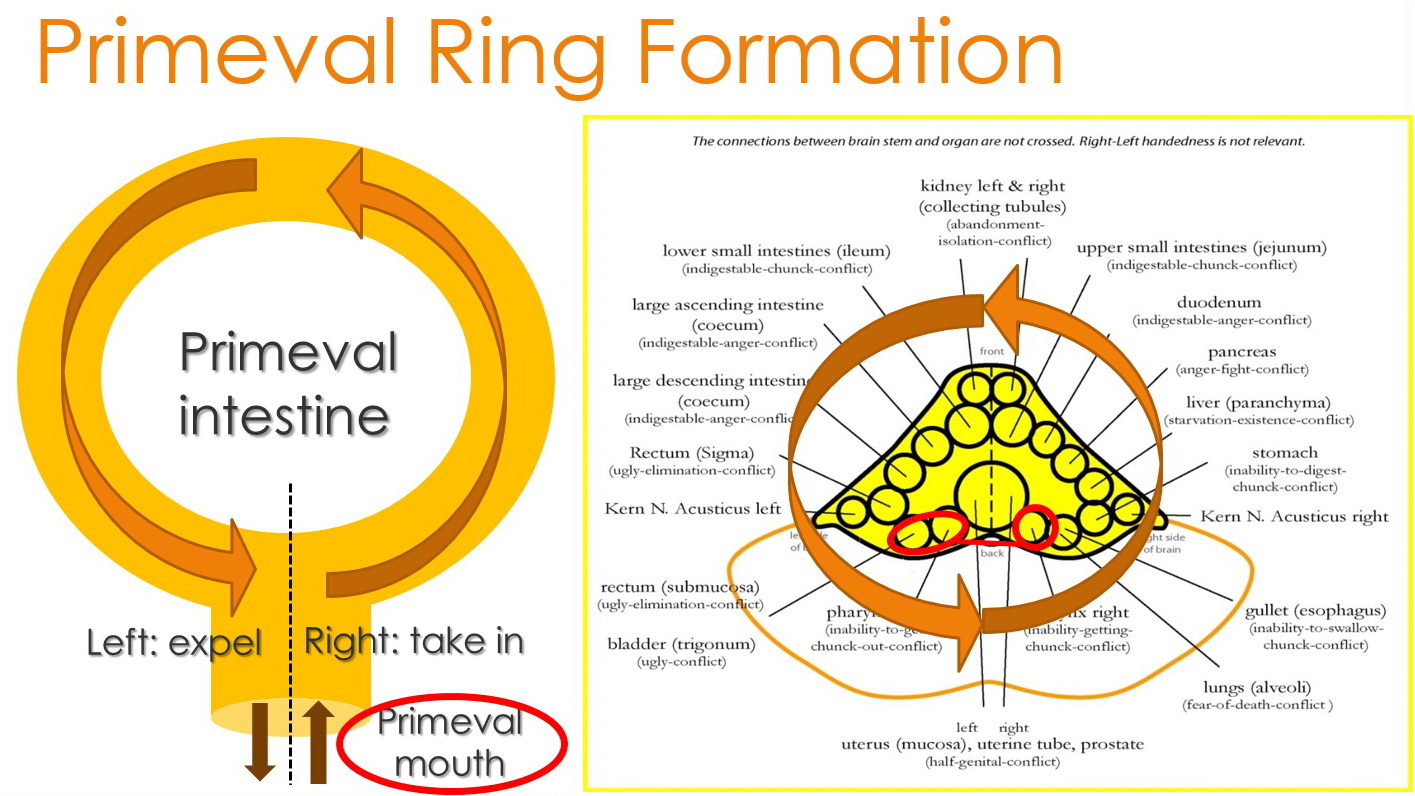
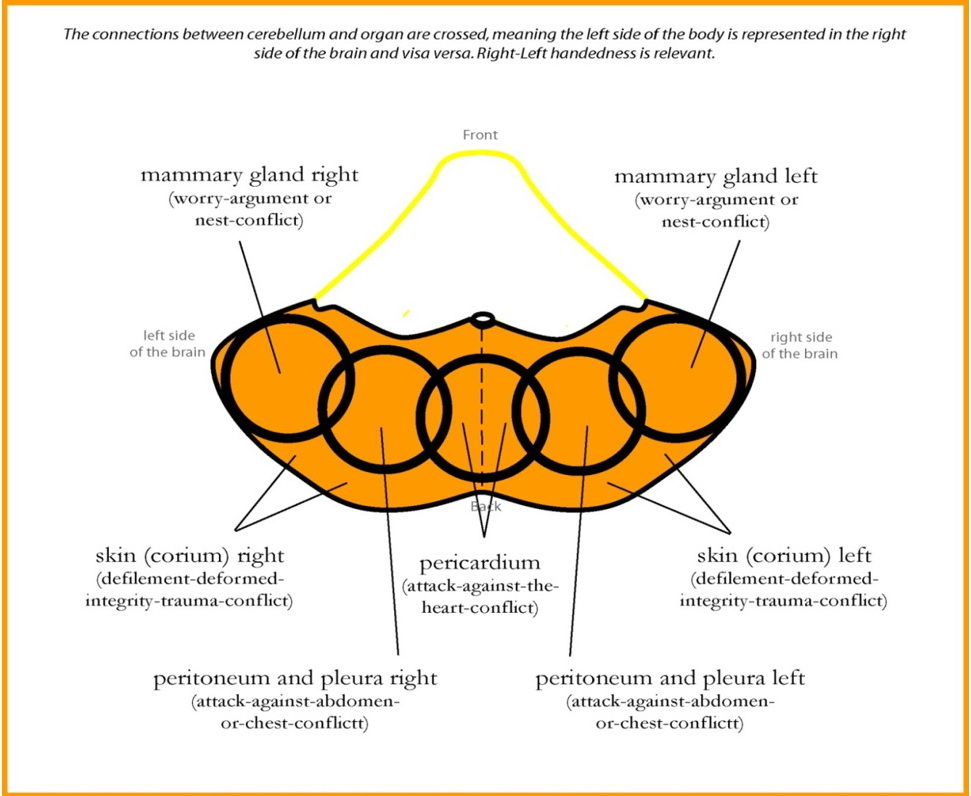
In the Brain Stem, the primeval ring structure is reflected: organ tissue relays with assimilative and digestive functions from oesophagus to small intestines are situated in the right brain stem, while excretory organs from caecum to rectum are relayed in the left brain stem. Medial on both sides are the relays of mouth/pharynx, middle ears and lacrimal glands, as well as the pineal and pituitary glands and the thyroid. - The cerebellum is associated with modulation of motoric functioning. It also contains the relays for protective skins derived from the mesoderm, which are referred to as CB (+/-) . These tissues react similarly to those associated with the brain stem – therefore, brain stem and cerebellum together are called the “old brain“.
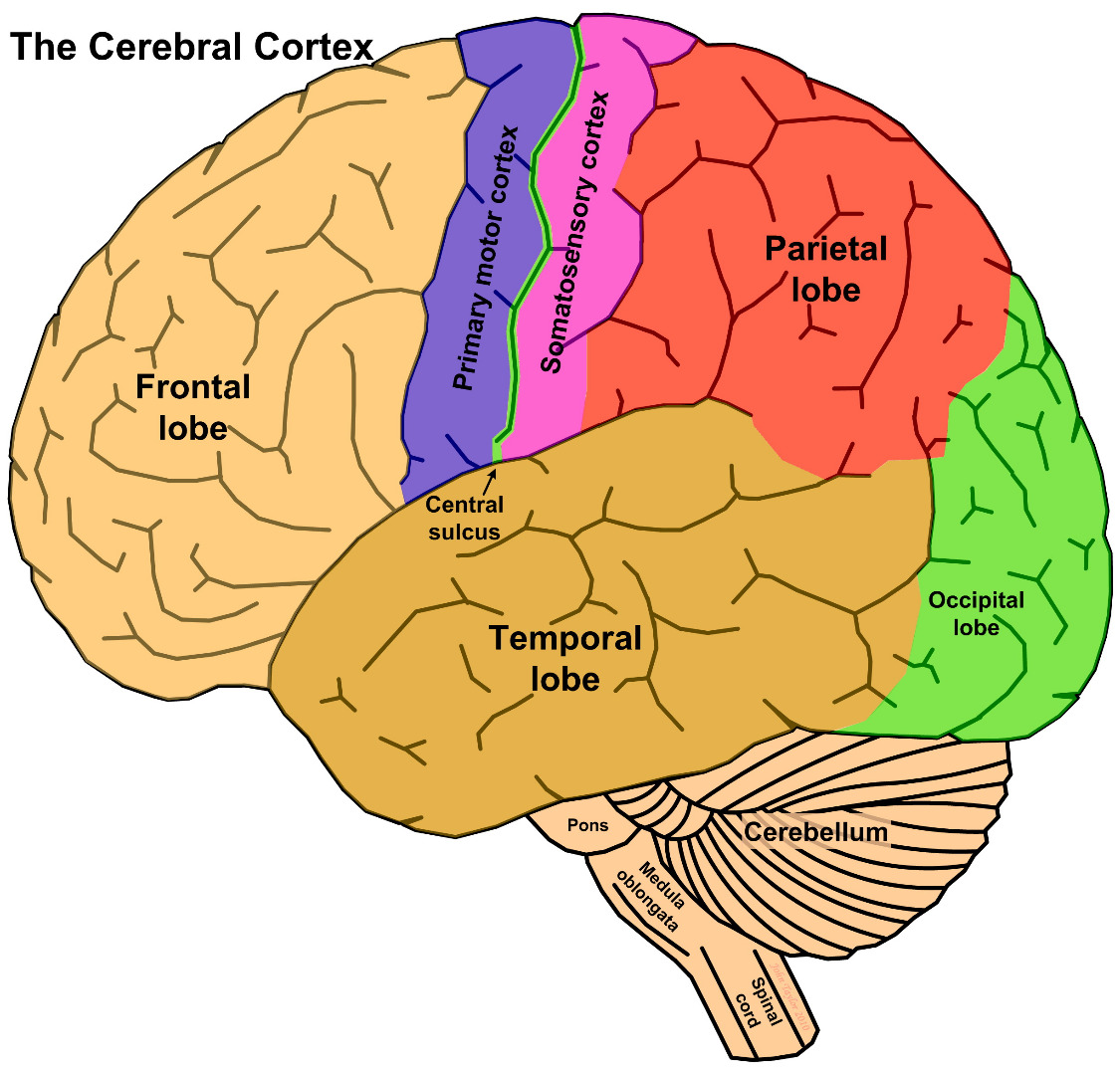
- The cerebral cortex (cortex cerebri) is the thin outer layer of the brain which is composed of nerve cells. It shows strong cleavage, enlarging it’s surface and dividing it into functional areas. Anterior of the central sulcus, we differentiate the frontal lobe, the premotoric and the motoric areas. Posterior, the sensory and postsensory areas and the occipital lobe with the visual cortex are situated. The temporal lobe contains the auditory cortex, and folded in by the fissura sylvii, the insular region of the cortex contains the “territorial areas” which have special functions closely connected to emotions, sexual behaviour and hormones.
The sensory and motoric areas depict homunculi, i e the entire body.graphic: Benjamin Cummings
Tissues associated with the cerebral cortex are derived from the ectoderm and serve functions of perception and communication. They feature a reaction pattern of function inhibition and cell reduction in stress phase, and (possibly reinforcing) rebuilding in regeneration phase. Theyare referred to as CC (-/+). - The cerebral medulla (medulla cerebri) has the biggest volume in the brain: It consists mainly of nerve fibres surrounded by glia cells, appearing as the “white matter” of the brain, as well as of the basal ganglia of the “grey matter”. The basal ganglia have functional aspects in motoric, cognitive and limbic regulation, such as spontaneity, affect, initiative, will power, motivation, planning, anticipation, expectation and motoric selection.
The relays for tissues with mesodermal origin (like in the skeleton, circulatory system, parts of the heart, kidneys, gonads and the spleen ) that have biological functions of strength and performance are arranged here in a homunculus. Their reaction pattern (function and cell reduction in stress, rebuilding and reinforcement in regeneration phase) differs from other tissues in that it leads to a functional advantage only after completed regeneration. All other tissues produce changes to help resolve the conflict in the stress phase.
Cerebral medulla related tissues are referred to as CM (-/+). Cerebral cortex and medulla together are called the “new brain“.
Simultaneous stress activity in both hemispheres result in “constellations” which create specific psychological changes and personality traits. They are described in each chapter.