Penis
Anatomical overview
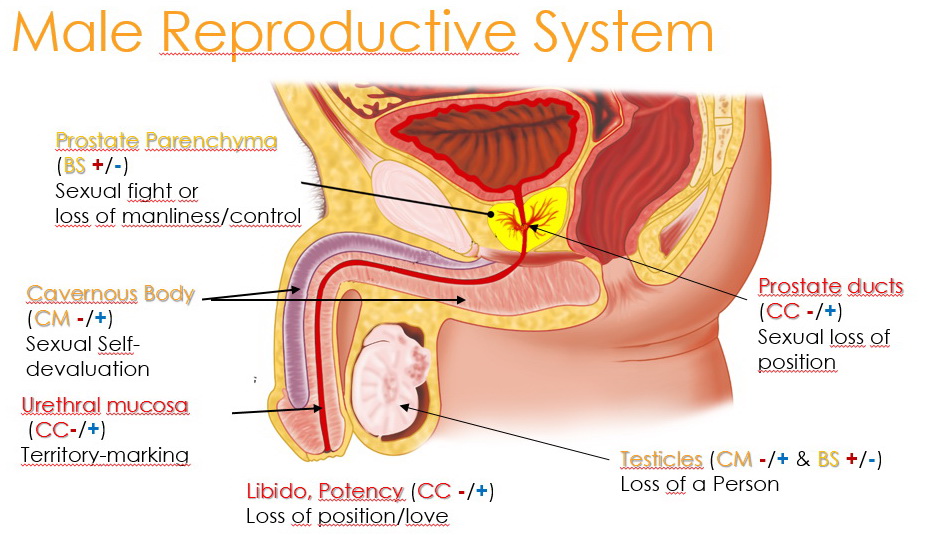
The human penis is an external male sexual organ. It is a reproductive, intromittent organ that additionally serves as the urinal duct. The main parts are the root (radix); the body (corpus); and the epithelium of the penis including the shaft skin and the foreskin covering the glans penis.
The internal structures of the penis consist mainly of cavernous, erectile tissue, which is a collection of blood sinusoids separated by sheets of connective tissue (trabeculae).
The body of the penis is made up of three columns of tissue: two corpora cavernosa on the dorsal side and corpus spongiosum between them on the ventral side. The enlarged and bulbous-shaped end of the corpus spongiosum forms the glans penis, which supports the foreskin, or prepuce, a loose fold of skin that in adults can retract to expose the glans.
The human male urethra passes through the prostate gland, where it is joined by the ejaculatory duct, and then through the penis. The urethra traverses the corpus spongiosum, and its opening, the meatus lies on the tip of the glans penis. It is a passage both for urine and for the ejaculation of semen.
Striated muscles (Musculus ischiocavernosus, Musculus bulbospongiosus) help with erection and ejaculation, which are initiated by parasympathetic nerves upon sexual arousal.
Brain
graphic: wikipedia, Henry Gray
Relay
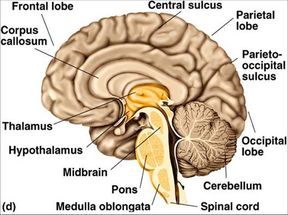
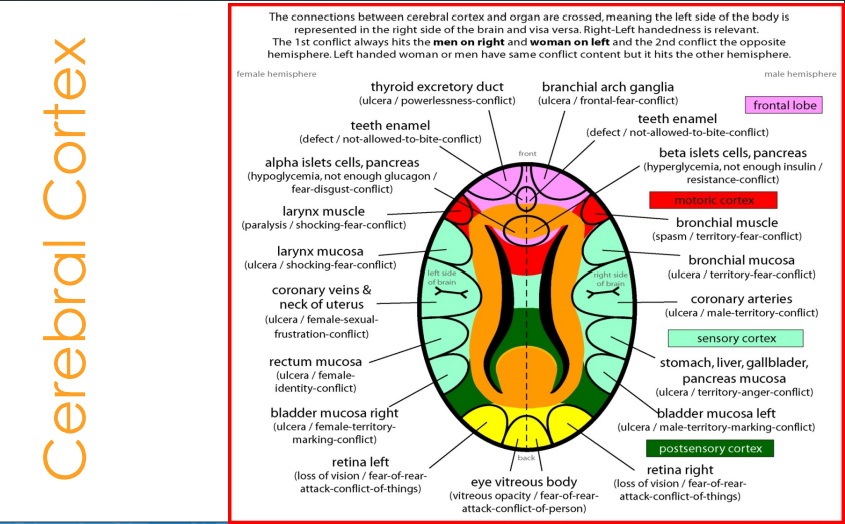
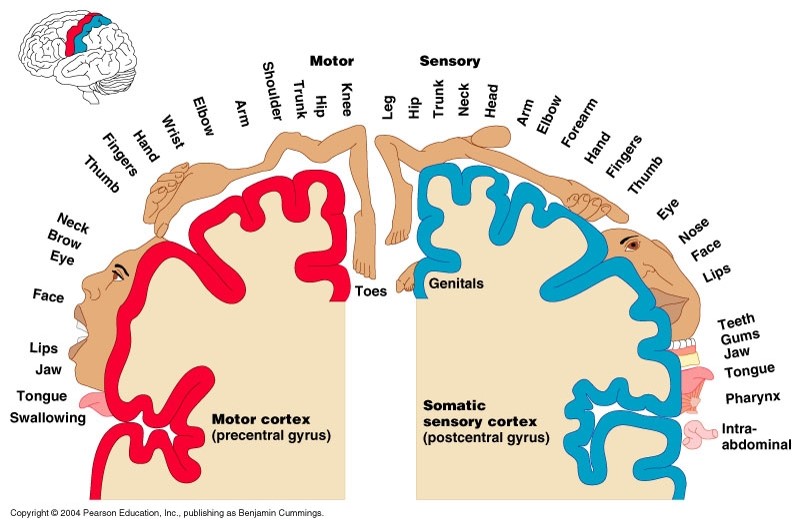
Cerebral Cortex (-/+): Epidermis, Sensitivity, Urethra
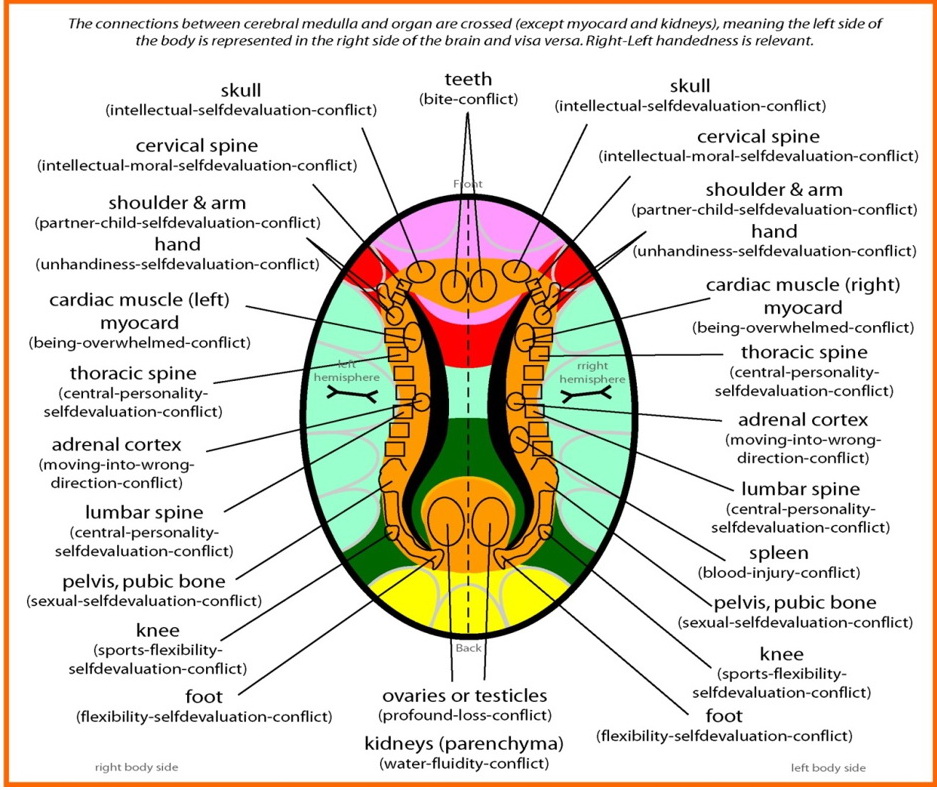
Cerebral Medulla (-/+): Corpora Cavernosa, Blood– and Lymph vessels, Striated Muscles
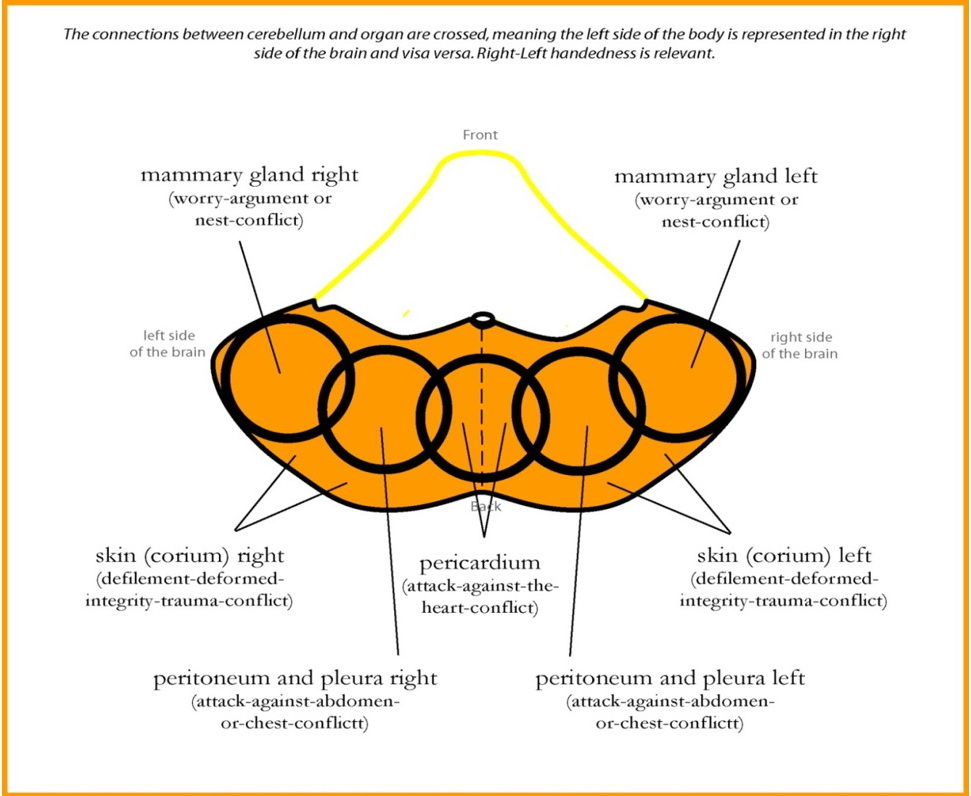
Cerebellum (+/-): Dermis incl sebaceous glands
Midbrain (+/-): Smooth muscle cells
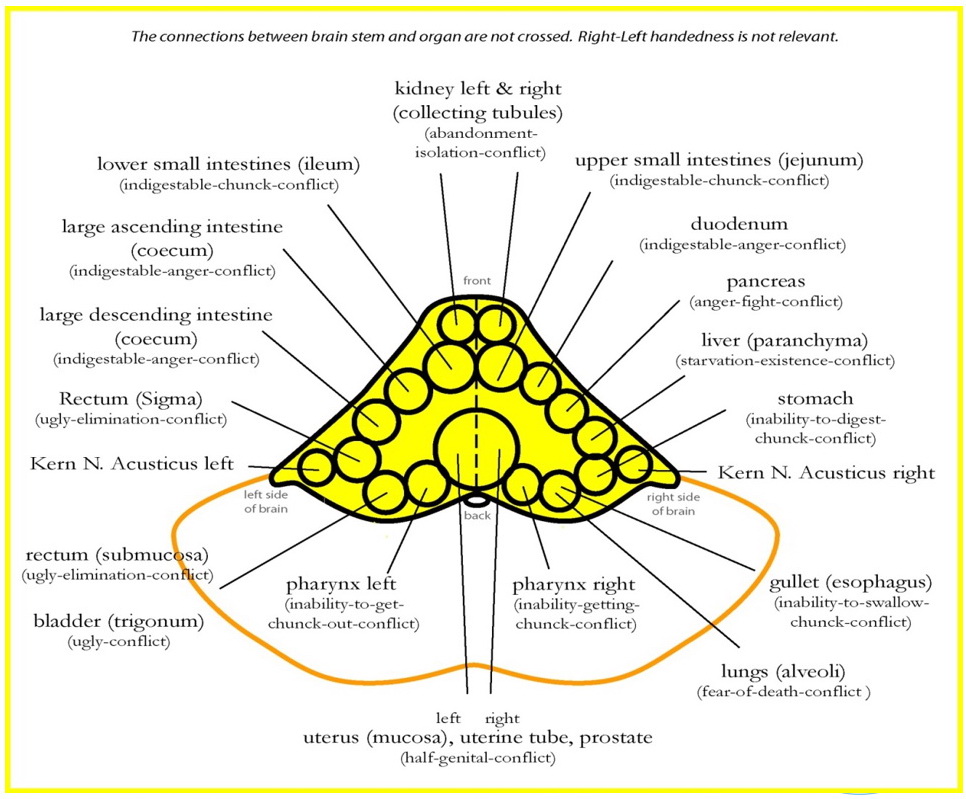
compare Brain Stem