
Heart – Endocardium and Heart Valves
Anatomy
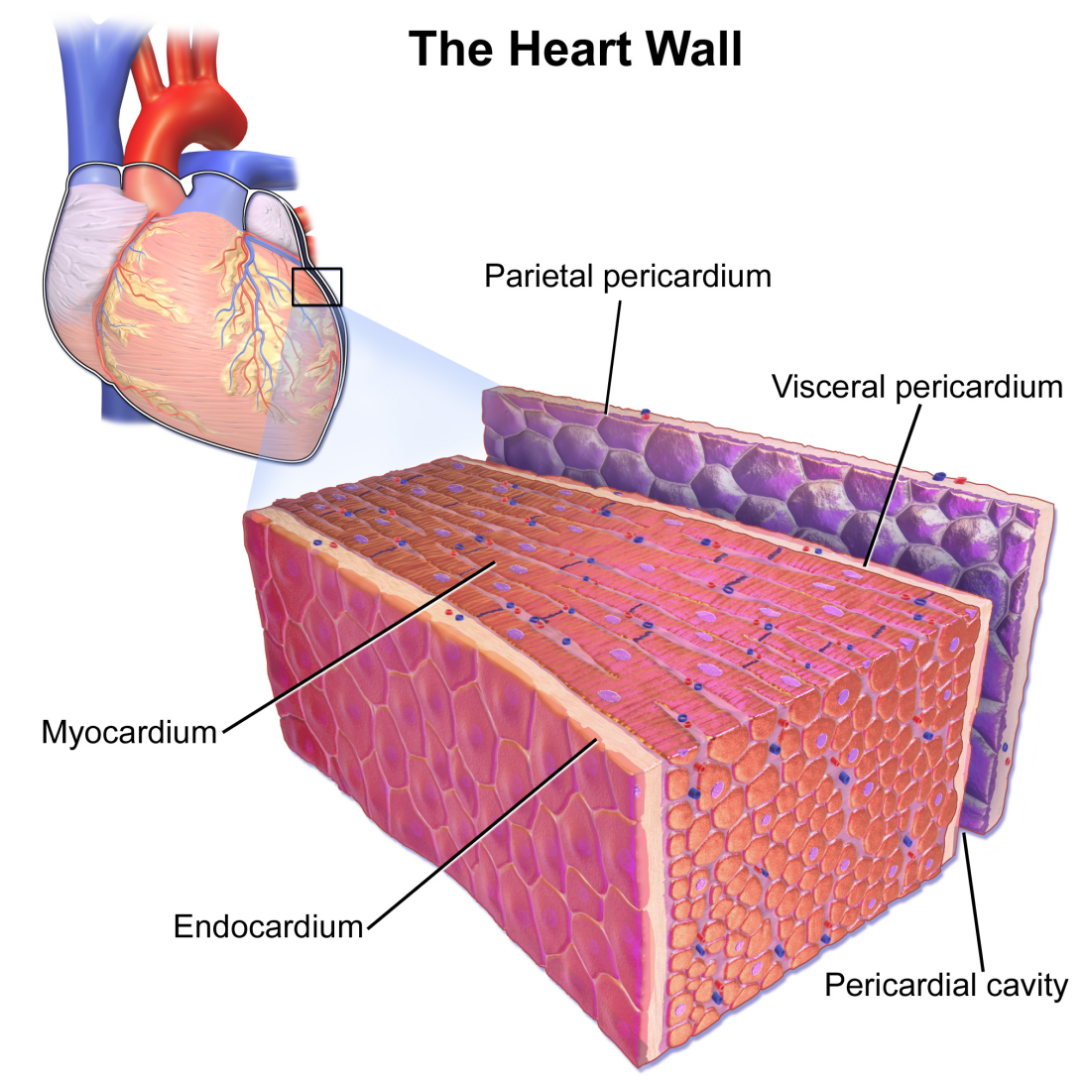
The endocardium is the innermost layer of tissue that lines the chambers of the heart and builds the 4 heart valves. Its cells are embryologically and biologically similar to the endothelial cells that line blood vessels (simple squamous epithelium). The endocardium also provides protection to the valves and heart chambers, and it controls myocardial function.
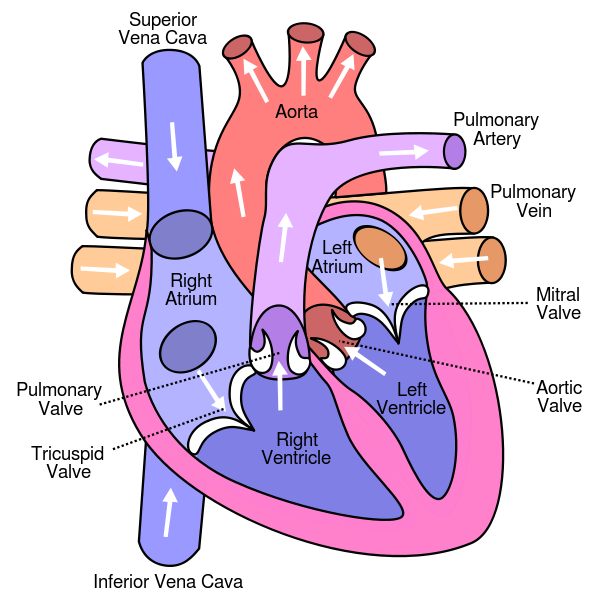
A heart valve normally allows blood flow in only one direction through the heart. The four valves determine the pathway of blood flow through the heart. A heart valve opens or closes incumbent upon differential blood pressure on each side.
The four valves in the heart are: The two atrioventricular (AV) valves, which are between the atria and the ventricles, are the mitral valve (also called the bicuspid valve), and the tricuspid valve.
The two semilunar (SL) valves, which are in the arteries leaving the heart, are the aortic valve and the pulmonary valve.
Brain
Relay:
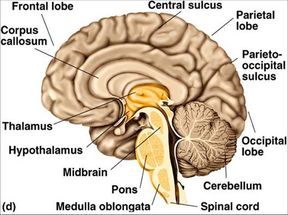
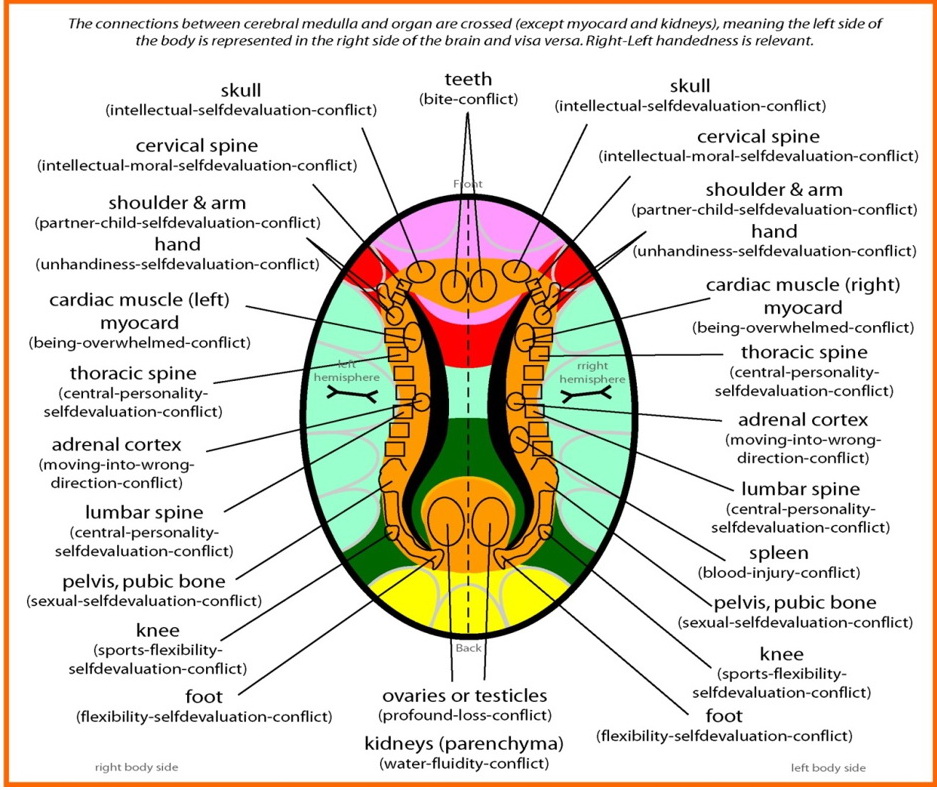
Cerebral Medulla (-/+) in heart area left & right (brain-body connection uncrossed)
Mind
Theme:
Functional self-worth regarding heart integrity and performance
Emotions and Thoughts:
Worry
- My heart doesn´t work right!
- There is something wrong with my heart!
- They say that my heart valve doesn´t close.
- My heart is not as strong as it used to be.
- Can I trust my heart?
META-Meaning:
My truth is that my heart pulses strongly and smoothly.
Organ
According to wiredness and the embryonic heart turn, in a right-wired person the mitral and aortic valves (belonging to the left heart) may react upon a conflict involving partner or peer, while the pulmonary and tricuspid valves may react upon a conflict involving mother or child. For left-wired persons vice versa.
Stress Phase Symptoms:
Necrosis of the endocardium often is a secondary symptom after an overwhelm process of the myocardium and it’s stress and regeneration symptoms, recurrences, and worries that are triggered by diagnoses and negative prognoses. Possible diagnoses: endocardial necrosis, valve insufficiency.
Regeneration Phase Symptoms:
Inflammatory processes (endocarditis) which can be bacterial or abacterial. In Regeneration phase A painful swelling and possibly stenosis, in Regeneration phase B reinforcement by collagen fibres. Especially recurring conflicts can lead to endocardial fibrosis or endocardial fibroelastosis, a state where the endocardium is thickened and contains more collagen fibres, making it more rigid. Heart valve insufficiency can also be a result.
Biological Meaning:
The biological meaning in connective tissue processes lies in the finished regeneration phase, leaving the tissue stronger than before.
Social
Examples:
- A man is told by his physician that his heart is weak and that he can´t do sports any more.
- After an incident with heart fibrillation and absence but without doctors finding an explanation, a woman doesn´t trust the performance of her heart anymore.
Additional Information
Heart murmurs help to identify the affected structure.
- Systolic murmur: Insufficiency of an AV valve (stress phase) or stenosis of Aortic or Pulmonary valve (regeneration phase or afterwards)
- Diastolic murmur: Insufficiency of Aortic or Pulmonary valve (stress phase) or stenosis of an AV valve (regeneration phase or afterwards)
Differential Diagnosis:
Myocardium/Atria(Midbrain/Plexus Cardiacus, +/0) with atrial tachycardia and fibrillation in regeneration phase after overload.
Myocardium/Ventricular(Cerebral Medulla/Plexus Cardiacus, -/+) with reduced heart performance due to local paralysis in the stress phase (overwhelm), myocardium infarction in healing peak
Pericardium(Cerebellum, Plexus Cardiacus, +/-) with feeling of pressure or “armored heart” in stress phase (protection of the heart), cardiac insufficiency due to effusion in regeneration phase
Coronary Arteries and AV node (Cerebral Cortex, Plexus Cardiacus, -/+) with heart arrythmia and angina pectoris in the stress phase (loss of territory/love); and bradycardia, possibly heart arrest, absence, heart pain in the healing peak
Coronary Veins (Cerebral Cortex, Plexus Cardiacus, -/+) with painful angina pectoris in the stress phase (loss of territory/love); and absence, tachycardia or ventricular fibrillation in the regeneration phase
