
Salivary Gland Ducts
Anatomy
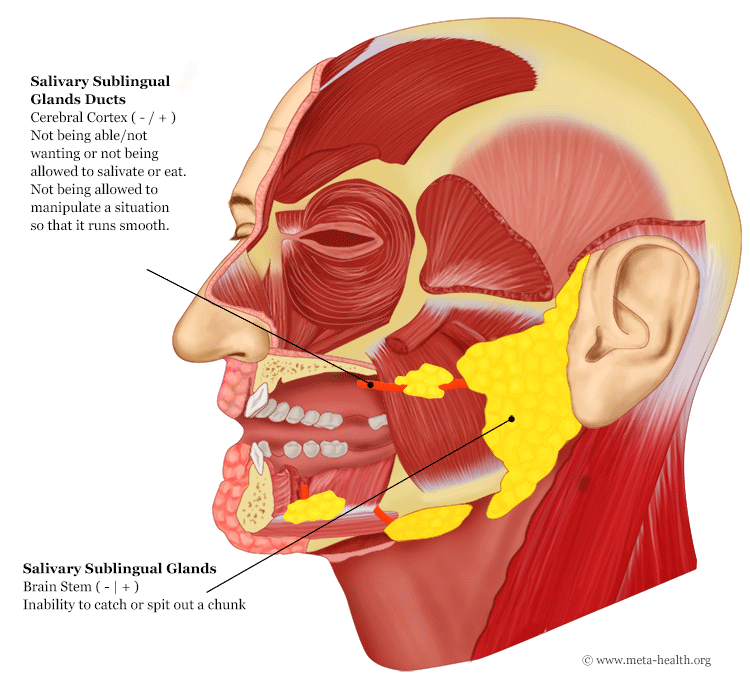
The salivary glands belong to the digestive system.There are three pairs of salivary glands: the parotid glands, the submandibular glands and the sublingual glands The excretory ducts of the sublingual gland are from eight to twenty in number. Of the smaller sublingual ducts some join the submandibular duct; others open separately into the mouth on either side of the frenulum linguae. One or more join to form the major sublingual duct which opens into the submandibular duct.
The purpose of the salivary glands ducts is to lead the produces saliva into the mouth cavity. Parotid, mandibular and sublingual glands are part of the salivary glands.
Saliva serves for the insalivation and pre-digestion of food-components.
Brain
Relay:
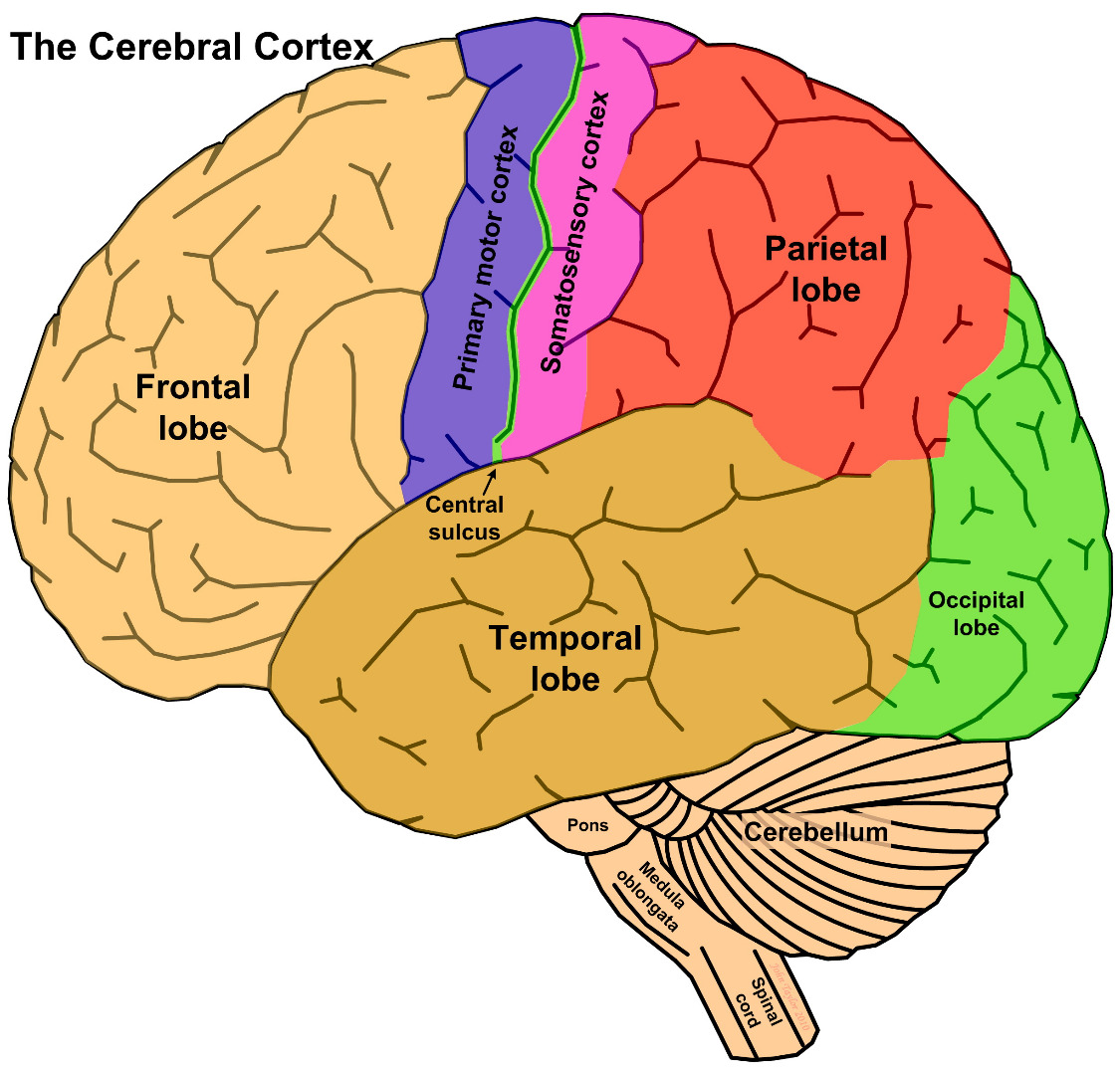
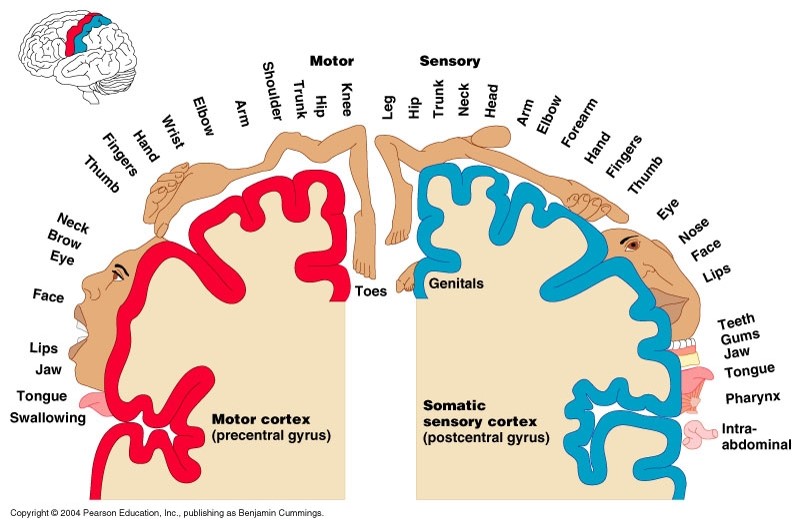
Cerebral Cortex ( – / + ) premotoric sensory area caudal left & right. Brain-organ-relation crossed.
Mind
Theme:
- Not being able/not wanting or not being allowed to salivate or eat.
- Not being allowed to manipulate a situation so that it runs smooth.
Emotions and Thoughts:
Suppressed anger, remorse
- They wouldn’t let me get at it.
- I could have managed/swallowed it.
- I would have had my turn.
- I should have let it go.
- I would have spit it out if I had been able/allowed to.
META-Meaning:
Based on what I learned, I am now digesting/swallowing and/or letting go of it easily.
Organ
Sensitivity change according to IS / Inner Skin pattern:
The mucosae of the digestive system governed by the cerebral cortex react differently from other mucosae: with hyperesthesia and pain in the stress phase, hyposensitivity or numbness in the regeneration phase. The pain in reparation phase can occur due to pressure on other structures, like the facial nerve running through the parotis.
Stress Phase Symptoms:
Widening of the ducts enhances salivation, hyperesthesia in the excretory ducts causes a dragging pain. Later, ulceration may happen.
Regeneration Phase Symptoms:
Oedematous swelling of the intra-ductal mucosa. This can show symptomatically as a local congestion and occlusion. In case of an inflammation, the possible diagnoses include the inflammation of the parotid glands (parotitis, mumps), the submandibular glands or the sublingual glands. Under certain circumstances, usually ongoing chronic processes, the client can also develop salivary stones or cysts in the salivary glands. Escalating processes can result in carcinoma growth leading to facial paresis.
Healing Peak:
Healing peak is characterized by the spontaneous passage of salivary stones.
Biological Meaning:
The biological meaning of this organ reaction lies in the expansion of the salivary ducts (during the stress phase) in order to uphold an increased salivary secretion and thereby a more proper insalivation of food (real food or associated perception of a food/chunk).
Social
Examples:
- Husband goes regularly to his mom’s house for lunch, which his wife does not like. After the resolution of the situation she develops salivary stones.
- A girl dislikes the food she s getting at school. On vacation, she gets mumps.
- An employee is discontent with how qualits management is carried out in his company. He would like optimize it, but his suggestions are ignored because he is a “stranger”. He develops cysts in the oral cavity.
Additional Information:
Differential Diagnosis:
Salivary gland (Brain stem +/-) Stress (assimilation): functional increase and tumor growth; Regeneration phase (after assimilation/expulsion): abscess, mouth odor, microbial decomposition; Chronic: desiccation, Sjögren-Syndrome.
sensitive Oral or Pharyngeal Mucosa (Cerebral Cortex -/+) Stress phase (mouth contact, ingestion): hyperesthesia, ulceration, aphtae; Regeneration phase: painless swelling, repair.
Lymphoid tissue in tonsils, sublingual tonsils (Cerebral Medulla -/+) Stress (self-definition, choice): weakened detox & immune responses; Regeneration phase: swelling, enhanced immune response; chronic: autoimmune reactions possible
