
Eyes – Crystalline Lens
Anatomy
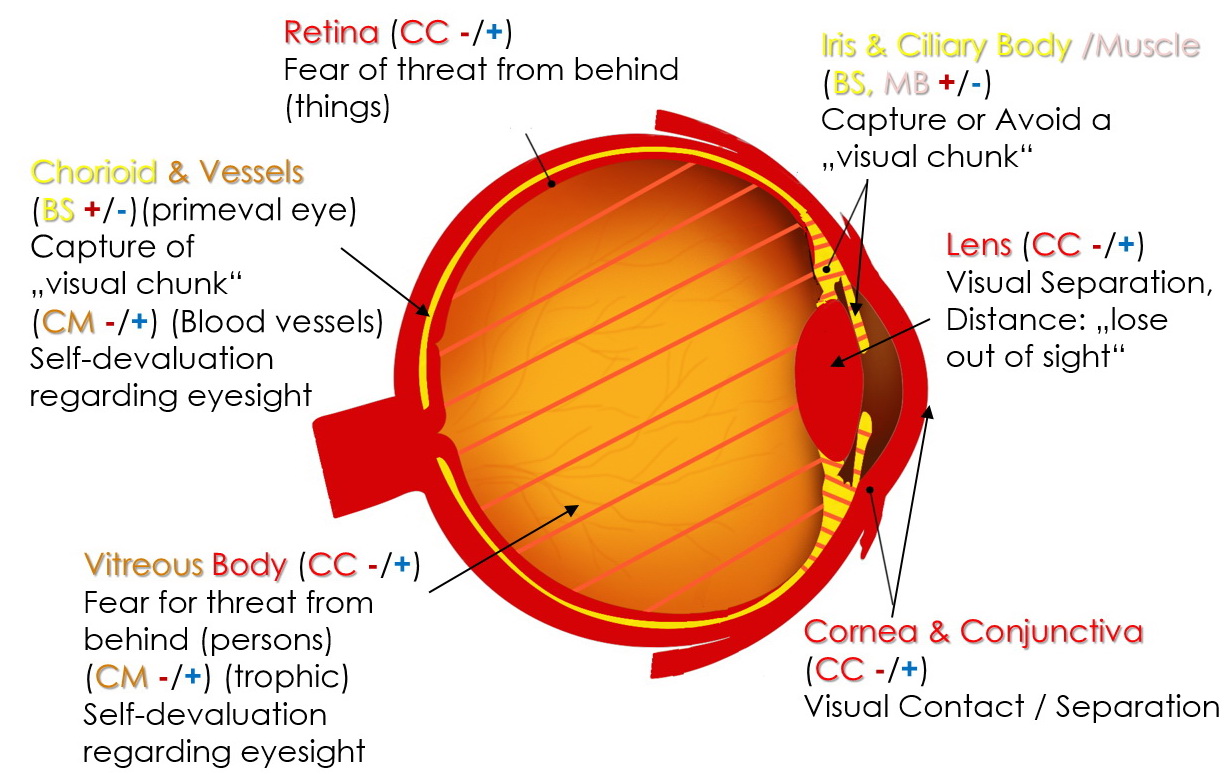
The lens is a transparent biconvex (lentil-shaped) structure in the eye between the iris and the vitreous body, that along with the corneahelps to refract light to be focused on the retina. Its elasticity allows the eye to set the required viewing distance (accomodation) which happens through smooth ciliary muscles. The lens is fastened to the ciliary body by Zonula fibers.
Inside it’s capsule, the lens consists of an elastic cortex and a nucleus. In the cortex, cells constantly transform to fibers laying down on the outside of the lens like the layers of an onion. Supply is via the aquaeous humor in the eye chambers, as the lens lacks blood vessels.
Brain
Relay:
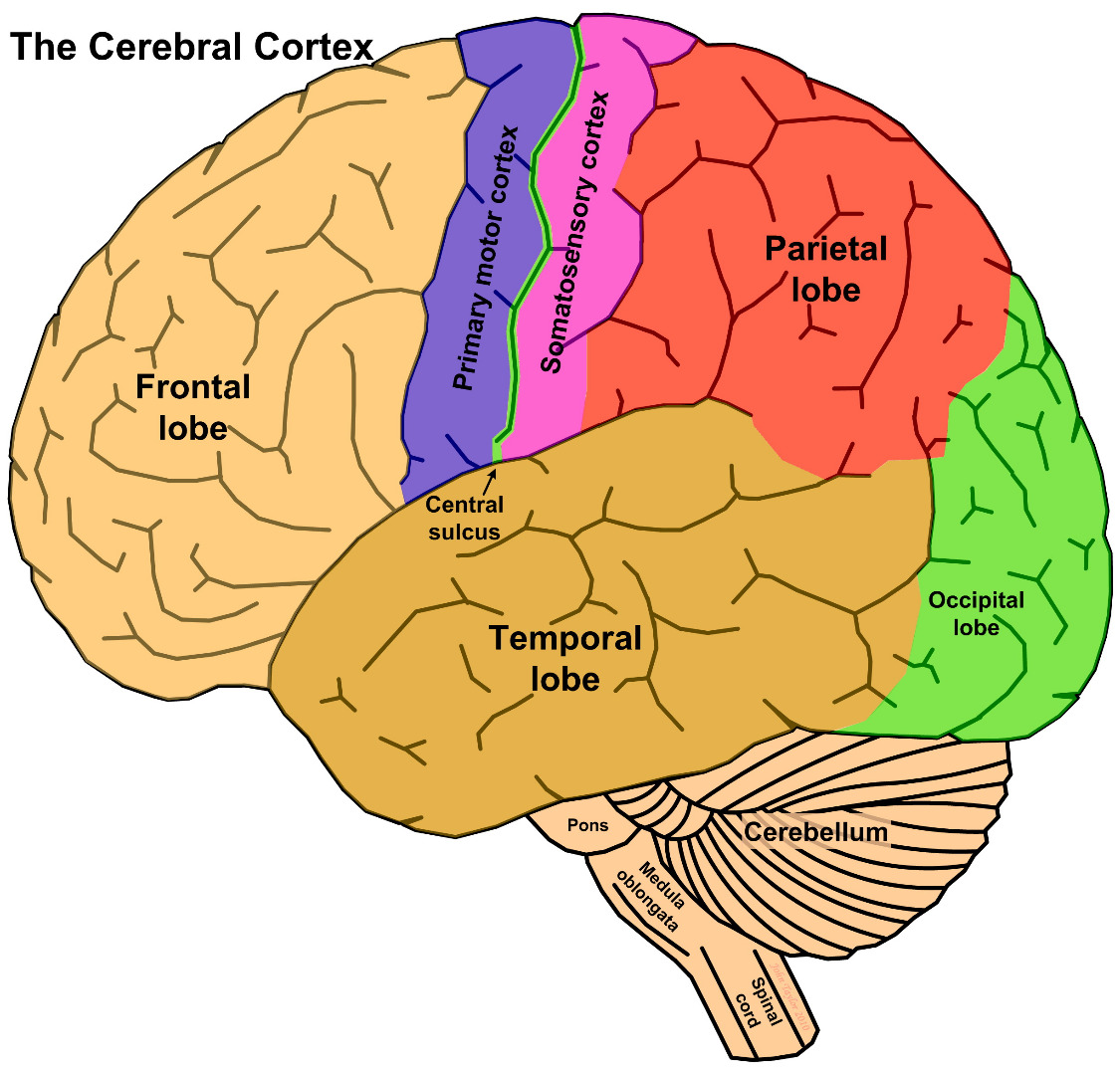
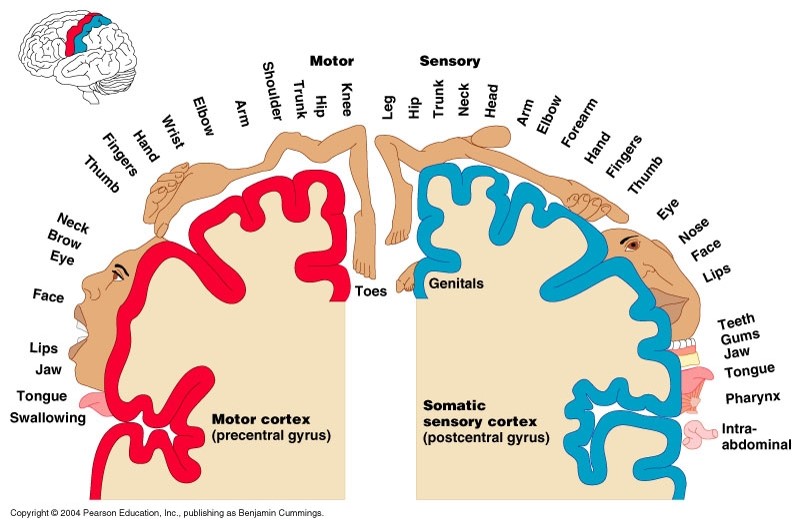
Cerebral Cortex ( – | + ) sensory area lateral on both sides
Mind
Theme:
Visual Loss of Touch (by distance)
Emotions, Thoughts:
Emptiness, grief
- I will never see her again.
- She is so far away!
- I fear to lose him completely out of sight.
- It will never again be as it was.
- Life has lost it’s meaning!
META-Meaning:
- I am emotionally independent and feel a deep connection with my loved ones.
- My eyes open up for new exciting things every day!
Organ
Stress Phase Symptoms:
Painless cell loss. New fiber formation is reduced. Thinning can lead to reduced visual acuity. At the same time, memory loss is often experienced.
Regeneration Phase A
That period is characterized by 2 cellular processes:
- proliferation produces a temporary opacity of the crystalline lens that can be diagnosed as a cataract.
- Water inclusion, hypersensitivity and enlargement or bending of the lens/astigmatism which creates a squint.
Healing Peak
Short loss of consciousness, blackout
Regeneration Phase B
Normalization. Although the function can completely recover, the opacity becomes stronger with every relapse. Squint can remain after chronic processes
Biological Meaning:
The loss of memory and sensory acuity in stress phase is meant to make it easier to overcome the visual separation.
Social
Examples:
- A female patient has a massive disease, which tends to disturb her more and more. Because of that, she has a constant fear that her boyfriend will leave her. She’s foreseeing that he will pack up and leave her. She has a visual separation conflict, caused by the cell reduction (ulcer) in the crystalline lens.
- An elderly man leaves his home and moves to a caring facility. He misses the view from his window and develops a cataract.
- A girl experiences the separation from her kindergarden teacher very emotional. She develops vitiligo and cataract.
Additional Information
Presbyopia
Age-related eye accomodation impairment is seen in connection to rigidity and sclerosis of the lens. This is due to chronic processes where scar tissue has replaced more flexible organ tissue.
Constellations
Visual Constellation: Active visual separation conflicts in both hemispheres create paranormal perceptions and hallucinations.
Differential Diagnosis:
Iris(Brain Stem +/-) stress (visual chunk or light conflict): hypersensitivity for light, hypertension and possibly cell proliferation; inflammation and cell reduction in regeneration phase.
Cornea(Cerebral Cortex -/+): thinning in stress phase (visual separation) and replenishing in regeneration phase, relapses meaning that more and more scar tissue is replacing the functional tissue. Deformation of the cornea can thus be created in both phases, resulting in a squint or myopia.
Retina(Cerebral Cortex -/+): Ulceration in stress phase (persecution fear, guilt), retina detachment in regeneration phase A, short- or farsightedness as remnant, in recurring processes possibly macula degeneration.
Vitreous body(Cerebral Cortex -/+): Decreased intraocular pressure in stress phase (persecution fear), glaucoma (increased intraocular pressure because of healing oedema) in regeneration phase.
