
Skeletal Muscles
Anatomy
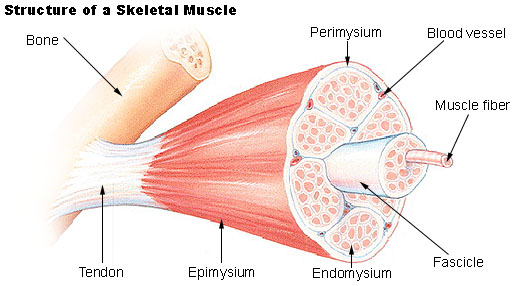
Skeletal striated muscle is under the control of somatic nervous system, which is voluntarily controlled and must be distinguished from the involuntary non-striated smooth muscles that are controlled by the vegetative nervous system.
Skeletal muscles enable voluntary motion, locomotion, physical capability and performance. Thereby self-devaluation conflicts (“I cannot…”) can be understood.
Skeletal muscle exhibits a distinctive banding pattern when viewed under the microscope due to the arrangement of cytoskeletal elements in the cytoplasm of the muscle fibers. The principal cytoplasmic proteins are myosin and actin (also known as “thick” and “thin” filaments, respectively) which are arranged in a repeating unit called a sarcomere. The interaction of myosin and actin is responsible for muscle contraction.
Traditionally, fibers were categorized depending on their varying color, which is a reflection of myoglobin content. Type I fibers appear red due to the high levels of myoglobin. Red muscle fibers tend to have more mitochondria and greater local capillary density. These fibers are more suited for endurance and are slow to fatigue because they use oxidative metabolism to generate ATP (adenosine triphosphate). Less oxidative type II fibers are white due to relatively low myoglobin and a reliance on glycolytic enzymes. Fibers can also be classified on their twitch capabilities, into fast and slow twitch. Individual muscles tend to be a mixture of various fiber types, but their proportions vary depending on the actions of that muscle and the species.
The whole muscle is covered and formed by a fascia which also connects it to other muscles.
Brain
Relays:
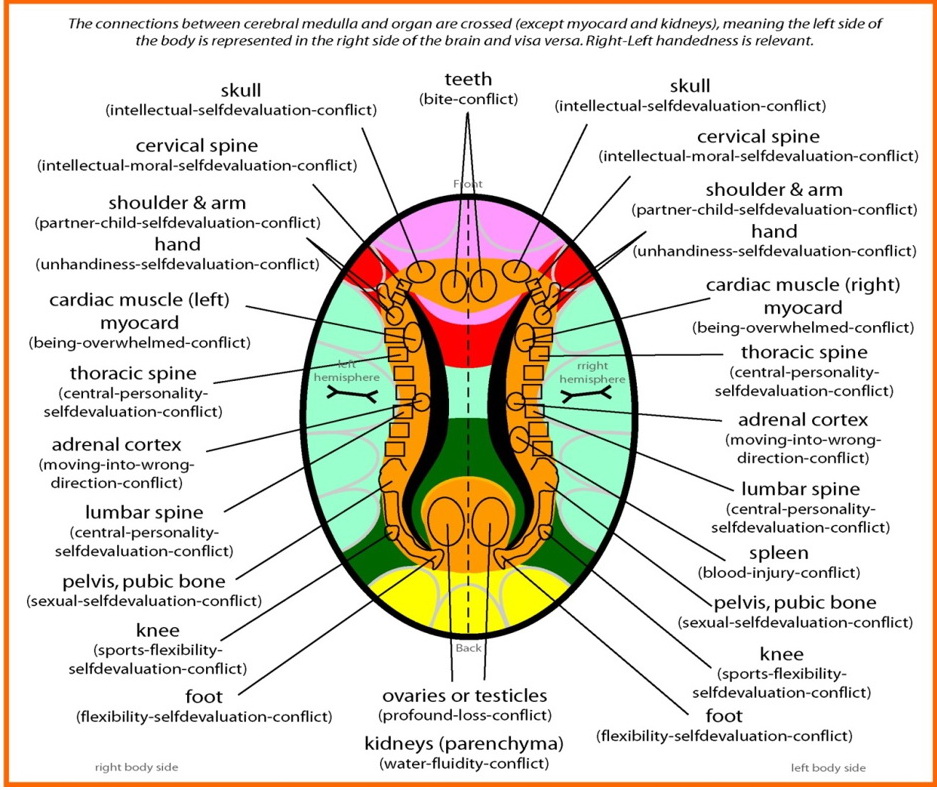
Cerebral Medulla ( – / + ) for muscle trophic
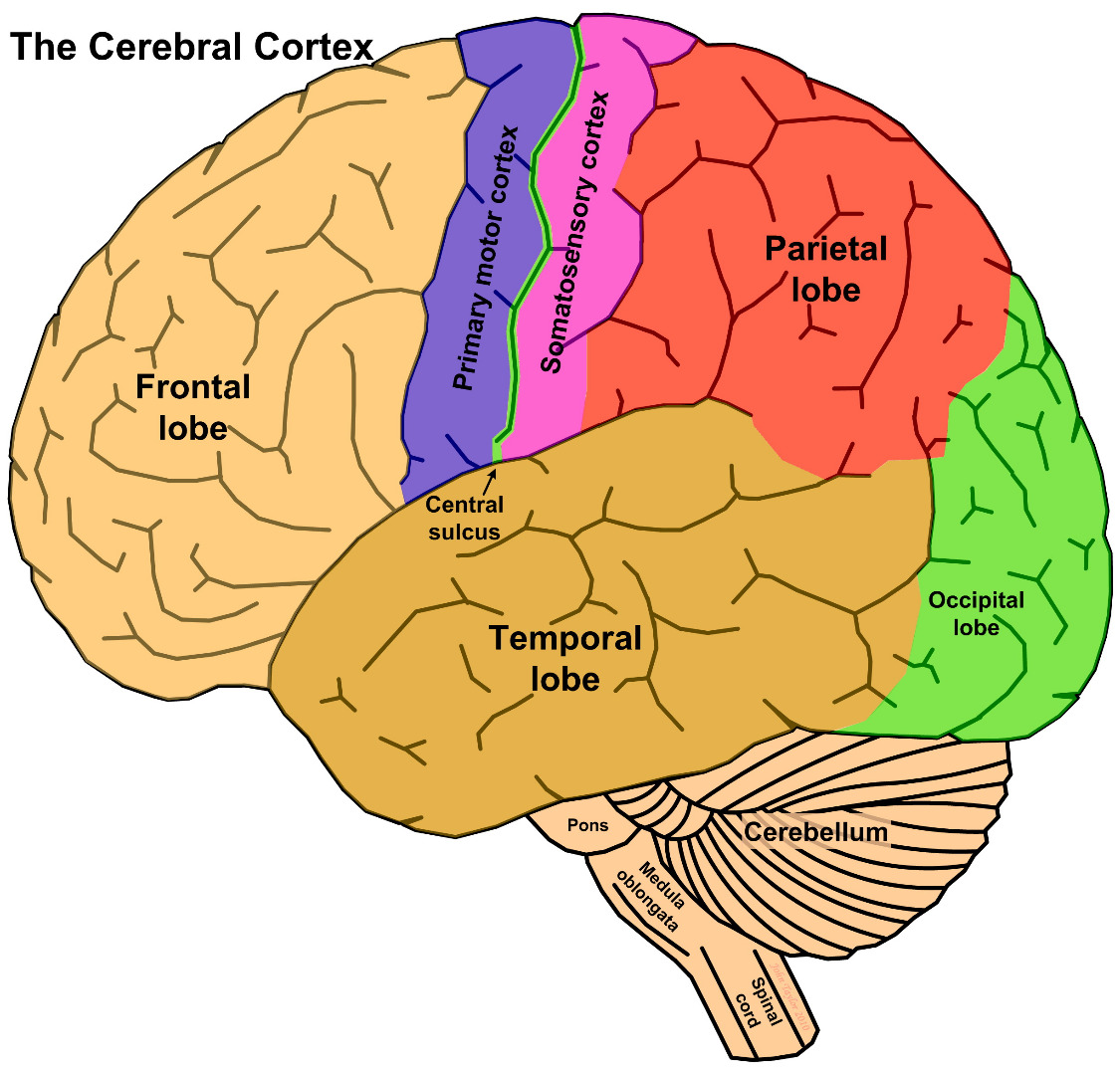
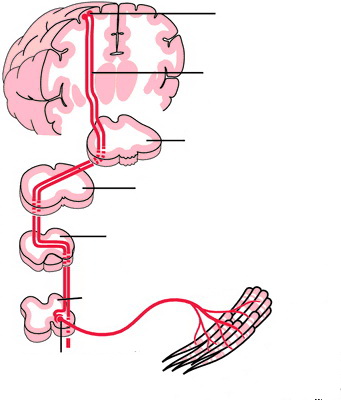
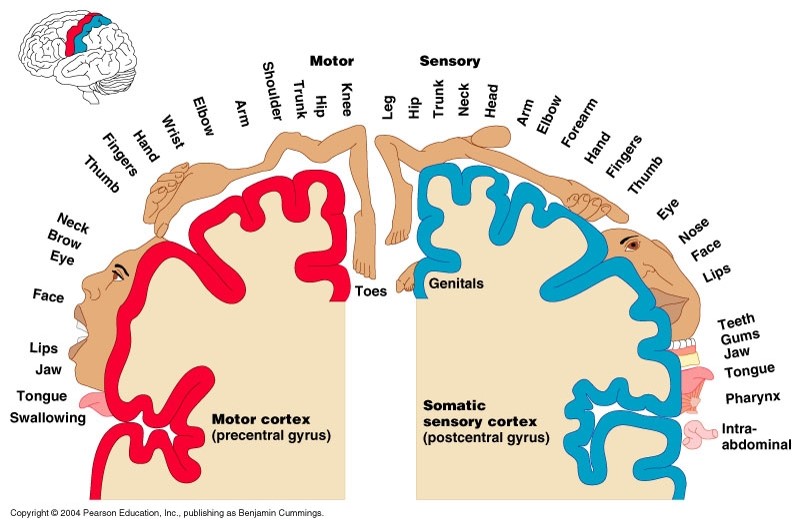
Cerebral Cortex (Motorcortex & postsensory area, -/+) for innervation
Mind
Theme:
Self Devaluation concerning mobility and strength
For special associations according to locality see “Musculoskeletal System – Overview“!
Emotions, Thoughts:
Frustration, self-doubt
- I can´t do it!
- I can´t get out of here!
- I´m too weak to hold on.
- I couldn´t stand that.
- This broke my back.
- Where is my strength?
META-Meaning:
- I am enough.
- I love what I can do in the world.
- I love to nurture and to exercise my muscles.
Organ
Stress Phase Symptoms:
Functional decline, reduced muscle trophic, and cell atrophy. The possible symptoms are weakness, reduced performance and function of muscles like tired legs, loss of strength, weak stamina.
When the motoric function is concerned, a paresis or paralysis develops, which usually leads to functional self-devaluation as well.
Regeneration Phase A:
Tthe fascia and muscles get flooded with oedema to nourish and build up more functional tissue. This swelling can compress and irritate nerves (often a cause for e g lumbalgia) which leads to lasting pain, numbness or loss of motoric function.
In case of a simultaneously active water retention, there may be a particularly intense swelling. Especially in long or recurring processes, there can be a cell proliferation possibly diagnosed as myosarcoma.
In motoric conflicts, after resolution the neural function gradually returns, typically accompanied by twitching.
Healing Peak:
Muscle twitching, muscle spasms and epileptic seizures during some minutes (possibly even asleep).
Regeneration Phase B
After the Healing Peak slow improvement in muscle function and physical capability, and a gradual decrease in swelling. Slow decline of symptoms, resulting in hypertrophy of muscle tissue
Biological Meaning:
At the end of the regeneration phase, muscles become stronger than before, which is accompanied by increasing physical capability (training effect). Thus, the survival of the fit is secured for the genetic pool of the kind.
The essence of the stress phase could be that an overloaded person is forced to stop overworking himself because of his weaker muscles in order to avoid further overloads (negative feedback mechanism).
Social
In processes of the Cerebral Medulla, thoughts and beliefs play a major role, which can feed the destructivity of the stress phase. Typical evil cycles develop from the symptoms in regeneration phase, and have to be broken step by step with resourcing.
Examples:
Self-devaluation conflict concerning the performance of each muscle, or -group:
- A boy loses in a running competition. He gets weaker until he succeeds in making up for it, taking up another sport.
- A woman can´t keep her grandchild from falling into the water (from a jetty), but she catches it and pulls it back up with all her strength (a direct resolution that strained her muscle but left her much stronger soon after)
A variation is the motoric conflict of not being able to perform at all: - A kitten is frightened but can´t avoid the fight with an older cat twice it´s size. After a short fight it can escape, but shortly after develops a paralysis in the hind legs. (Klapp)
Additional Information
Constellations:
Megalomania, Motivational Constellation (both hemispheres affected in Cerebral Medulla): the turnaround of self-devaluation, belief in one’s abilities and achievements in spite of handicaps. This constellation remains through the whole cycle until regeneration is finished in one of the hemispheres.
- Skull: Intellectual megalomania
- Cervical spine: Justice (rebel-)megalomania
- Thoracic spine: Honesty megalomania
- Lumbar spine: Passion megalomania
- Shoulder: Responsibility megalomania
- Arms: Manager megalomania
- Hands: Dexterity megalomania
- Pelvis: Sexual megalomania
- Hip: Patience megalomania
- Legs: Stability megalomania
- Feet, knees: Stability or mobility megalomania
Differential Diagnosis:
FasciaSmooth Muscle Part (Midbrain, +/-) with hypertension and hypertrophy in stress phase
Tendons / Connective Tissue (Cerebral Medulla, -/+) Stress Phase weakening, rupture possible. Rupture even in Regeneration Phase A possible.
Neural Sensory Function(Cerebral Cortex, -/+) causes numbness but not paralysis in stress phase and healing peak
Smooth Muscle (Midbrain +/-) in organ walls, some sphincters and special muscles react with functional increase in stress phase, supporting the purpose of the respective organ.
