
Sensory System – Overview
The sensory organs allow the perception of the environment by light, sound, chemical stimulants, temperature, pressure and motion. This input helps the body to adapt to change: the hypothalamus interconnects and relays to the ANS and to the hormonal system.
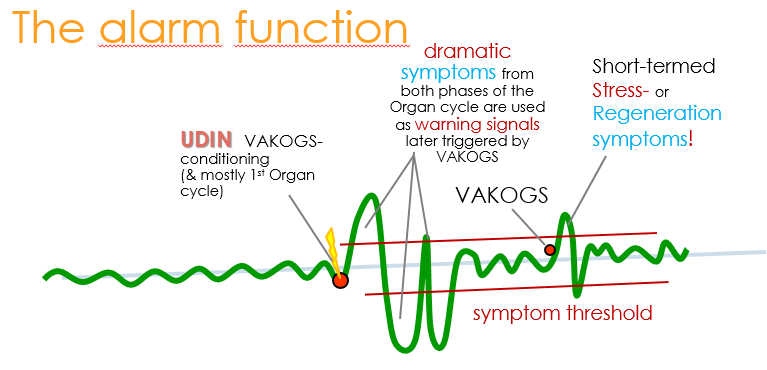
Sensual stimuli are stored in the UDIN moment, and later used as warning signals for potential danger: they trigger reactions in the organ tissues connected to the conflict theme. These conditioned reflexes can be dissolved by renegotiation of the UDIN.
The foremost kind of perception (VAKOG) and use of language conveys a general or current disposition for certain conflicts.
Senses
- Vision – Eyesight
- Audition – Hearing
- Kinaesthetic and Touch – Feeling
- Olfaction – Smell
- Gustation – Taste
- Equilibrium – Balance
