
Outer Ear Skin
Anatomy
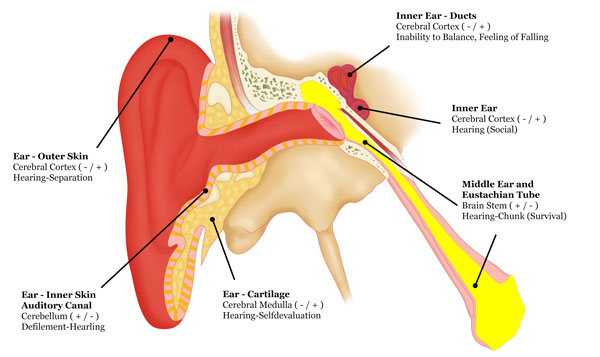
The outer ear is covered in epidermis and in dermis. Both tissues in this locations mostly have to do with hearing, although the conflicts can also have to do with physical touch.
Brain
Relay:
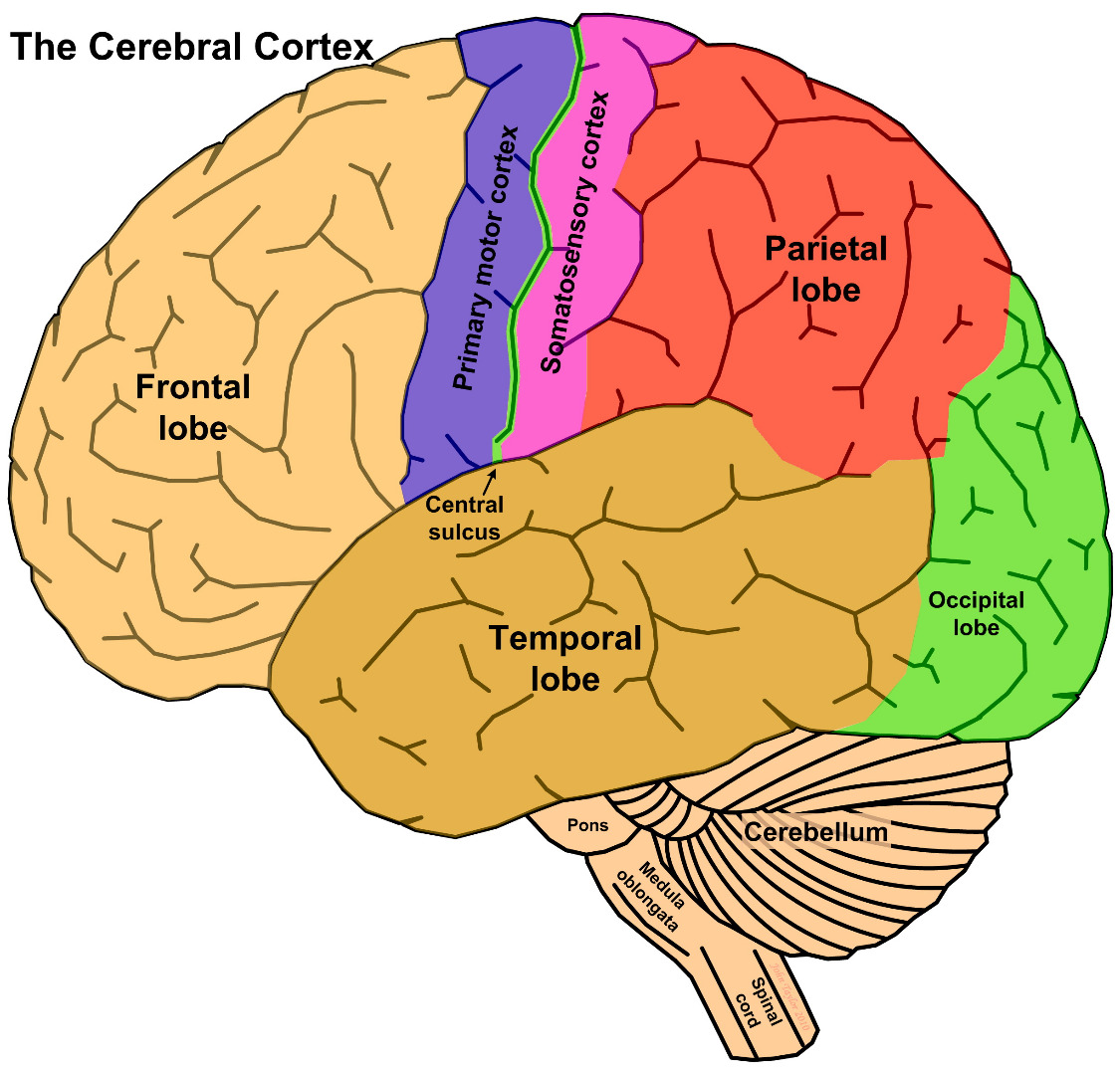
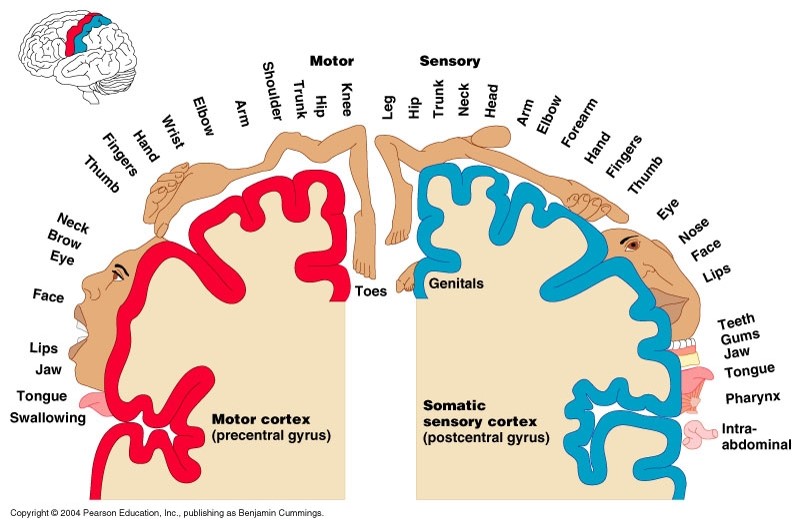
1. Cerebral Cortex ( – / + ) parietal sensory area, for epidermis
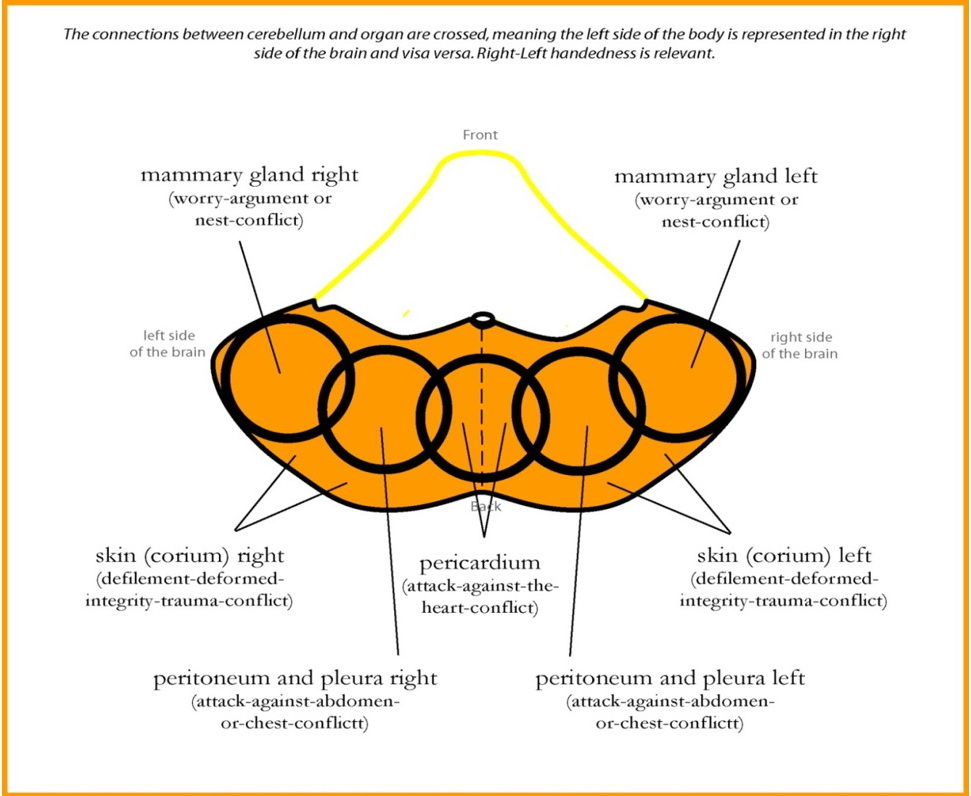
2. Cerebellum (+/-) dorsal for dermis
Mind
Theme:
1. (CC) Auditory or kinesthetic separation and loss-of-touch, wanting or not wanting to hear something or to feel contact to the ear.
2. (CB) Auditory attack, feeling attacked or defiled by what is heard, or kinesthetic attack like a box on the ear.
Emotions, Thoughts:
1. Longing or anger
- What I heard makes me lonely.
- I lost touch with my ears (voice, sounds).
- I don’t want to hear that!
2. Vulnerability - This was a box on my ear.
- I couldn’t defend myself against what they said.
- Those sounds hurt!
META-Meaning:
Now, I can decide what I let touch and remain in my ears and my heart.
Organ
Stress Phase Symptoms:
1. (CC) Numbness of the skin and trophic degradation (dryness, thinning, flaking) of the skin.
2. (CB) Increased production of sebum and cerumen in the glands of the outer ear and auditory canal. Cerumen can plug the ear (Cerumen obturans). Polyps and tumors of the outer auditory canal are possible.
Regeneration Phase Symptoms:
1. (CC) Hyperesthesia, reddening, swelling, inflammation, eczema, pain and itch while the skin is nourished and rebuilt.
2. (CB) Purulent inflammatory degradation of the excessive growth with fungal or bacterial activity. Yellow smelly discharge from the ear canal. Fungal infection can also cause development of cerumen plugs.
Biological Meaning:
1. (CC) The numbness in stress phase is meant to help overcome the separation.
2. (CB) Increased production of sebum and cerumen protect the external ear canal against intruding particles and substances.
Social
Examples:
- 1. Feeling of a loss of touch and separation after hearing about death of a friend (ear epidermis skin)
- 2. The client wears earphones when working at the computer, hearing loud music. His ears produce much wax.
Additional Information
Differential Diagnosis:
Cartilage and bone structures of the ear (Cerebral Medulla, -/+): Trophic/structural degradation in stress phase (self-doubt), inflammatory processes in regeneration phase which can affect the overlying skin as well.
Middle Ear (Brain Stem, +/-): Functional increase and tissue reinforcement of the mucous membrane of the middle ear in stress phase (prey- or danger-hearing), otitis media in regeneration phase.
Inner Ear, Hearing (Cerebral Cortex, -/+, non-organic functional change) Tinnitus in stress phase (unwanted hearing); temporary hearing loss in regeneration phase. Possibly hearing constellation (voices, paranoia, can be manic/depressive if territorial theme).
